(Credits: Far Out / Marjut Valakivi / Public Domain)
Mon 5 January 2026 17:31, UK
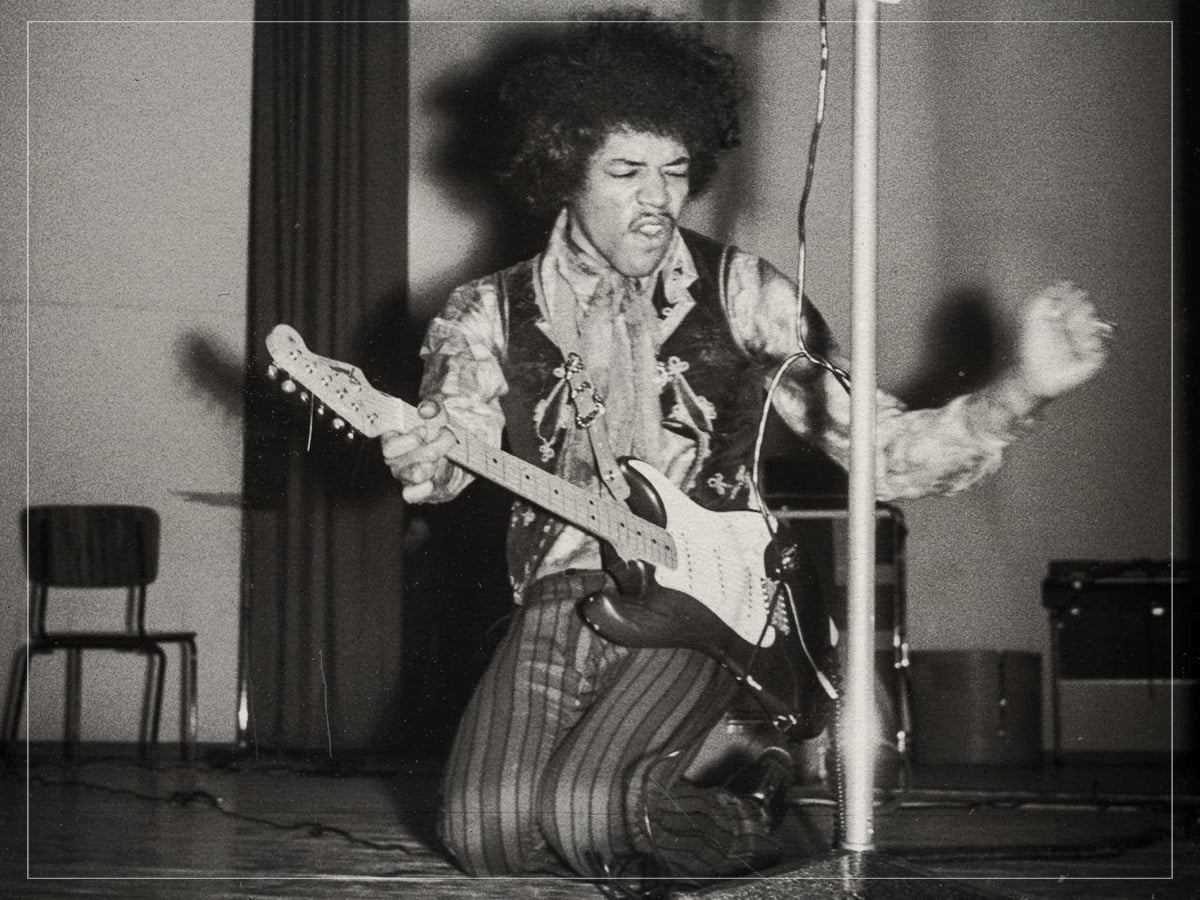
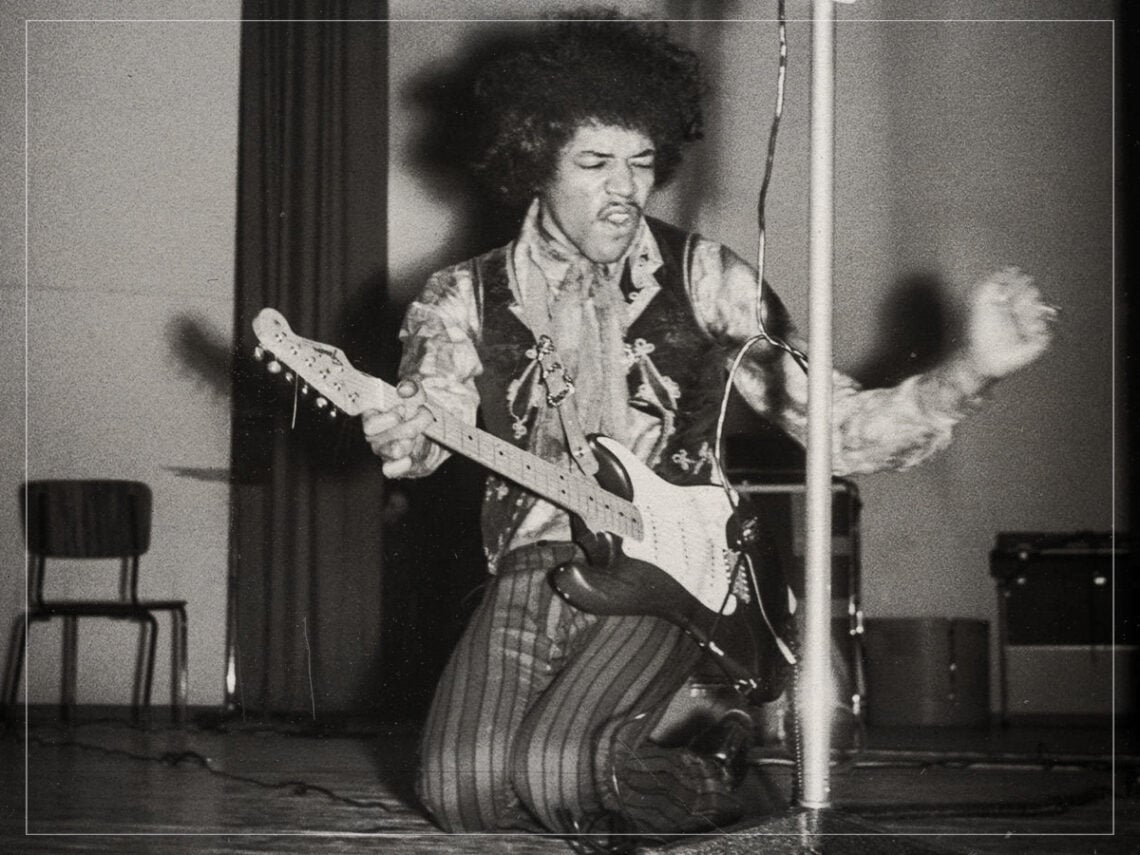
When it comes to the rock revolution of the 1960s, there are few names to rival the guitar mastery of Jimi Hendrix.
In many ways, the American guitarist encapsulated the post-war rebellion of the 1960s youth, having moved to the UK to escape the Vietnam War draft in his home country. Perhaps the only act that can rival the intense impact of Hendrix is The Beatles, which should come as no real surprise given their position as the most influential band of all time.
Hendrix and The Beatles were often noted for the mutual respect they shared. Given Hendrix’s roots in psychedelia, it should be no surprise that he held the seminal release of Sgt Pepper’s Lonely Hearts Club Band very close to his heart. In fact, Hendrix once covered its titular track only days after the album’s release in 1967. Paul McCartney hailed the performance as “one of the great honours of my career.”
The guitar hero regularly paid tribute to his musical heroes, most notably within his incredible cover of Bob Dylan’s ‘All Along the Watchtower’, which largely eclipsed the original. However, his love for The Beatles seemed to run deeper than most, with the Seattle-born songwriter taking every opportunity to espouse the joys of John, Paul, George and Ringo. Famously, in a 1967 interview with Steve Barker, Hendrix said of The Beatles, “They’re one group that you can’t really put down because they’re just too much.”
What Hendrix responded to in The Beatles was not just innovation, but sincerity. At a time when rock music was rapidly expanding its possibilities, he gravitated toward artists who seemed to be discovering those possibilities in real time rather than chasing trends. The Beatles represented freedom of expression without calculation, something Hendrix valued deeply as he carved out his own space in the countercultural landscape.
 The Monkees, a blight on American music according to Jimi Hendrix. (Credits: Far Out / The Monkees)
That reverence also sharpened his intolerance for anything that felt manufactured. Hendrix drew a clear line between music that emerged from curiosity and conviction and music that was assembled to meet commercial demand. His comments were less about genre or popularity and more about authenticity, a standard he applied ruthlessly, whether he was praising his heroes or criticising his contemporaries.
That same interview provided Hendrix with an opportunity to compare the musical output of his native USA with that of his adopted home in England, and he was less than flattering about some of America’s top bands. “It’s so embarrassing, man, when America is sending over the Monkees – oh, God, that kills me!” the guitarist shared. The Monkees were often criticised for their manufactured beginnings and corporate energy, totally at odds with the counterculture rebellion of 1960s rock, so Hendrix’s critiques are hardly a shock.
Continuing in his savage rant against California pop rockers, Hendrix said, “I’m so embarrassed that America could be so stupid as to make somebody like that.”
He added, “They could have at least done it with a group that has something to offer. They got groups in the States starving to death trying to get breaks, and then these fairies come up.”
For all the vitriol he aimed towards The Monkees, the band gave Hendrix his first slice of exposure in the US, inviting him to be their opening act in 1967. However, his intense psychedelic styling and abundance of sexual imagery meant he was not a particularly good fit for the tour, departing soon thereafter. Perhaps Hendrix still had a bee in his bonnet about being booted off The Monkees’ tour, and that is why he rallied against them in the Steve Barker interview, or perhaps he really did hate them that much.
Ironically, given the idea that Hendrix pitted The Monkees against The Beatles, the two bands were apparently pretty close friends. In fact, Michael Nesmith of The Monkees attended the Abbey Road recording sessions for ‘A Day in the Life’, where John Lennon reportedly told him, “I think you’re the greatest comic talent since the Marx Brothers. I’ve never missed one of your programs.”
Related Topics