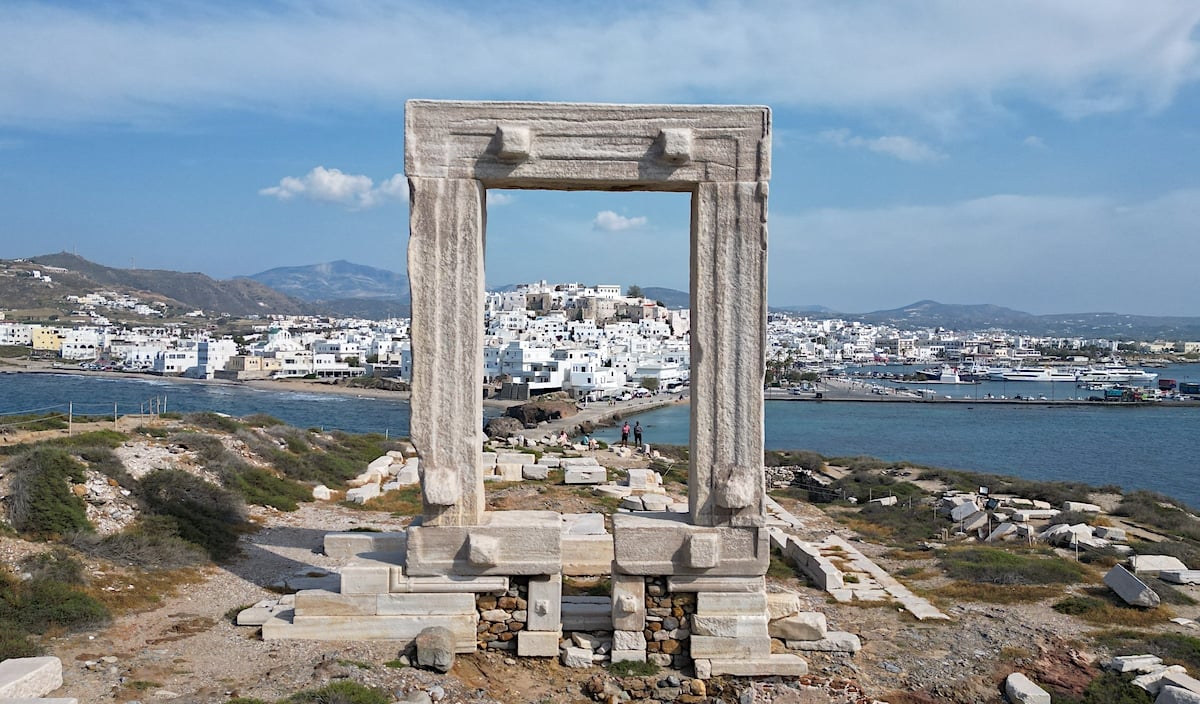
Eurostat data shows Greece continues to rank among the top EU travel destinations, as visitors stay longer and spend more. Credit: Greek Reporter Archive
Greece is solidifying its status as one of the EU’s top travel destinations, with recent data from EUROSTAT, the European Union’s statistical office, showing that visitors are staying longer and spending more, boosting the local economy more than in many other member states.
The country’s strong performance places it firmly among the leading tourism hubs within the European Union.
Strengthening demand supports Greece as top EU travel destination
In 2024, travelers across the EU spent nearly a full week on average on vacations. Greece and Romania recorded the longest stays, with travelers spending nearly nine nights there—well above the EU average of seven overnight stays. Shorter visits were more common in destinations such as Estonia and Belgium, where vacations there typically lasted only a few days.
Accessibility and distance continue to shape travel patterns. Countries such as Greece, Spain, and Cyprus, which often require longer and more costly journeys, tend to attract visitors who plan extended trips. Meanwhile, destinations with easier cross-border access, such as Belgium, see a higher share of short-break or weekend trips.
Spending reflects longer stays and premium travel demand
Spending levels also varied significantly by destination. In 2024, the highest average travel expenditure was recorded for trips to Cyprus and Greece, reflecting the fact that both destinations are primarily accessed by air and continue to rank among the EU’s most attractive travel destinations.
Visitors from other EU member states spent an average of €851 ($993) per trip, ranging from $401 in Slovakia to $1,723 in Cyprus. Greece followed with an average expenditure of $1,599 ahead of Ireland ($1,437) and Spain ($1,308). These figures underscore Greece’s strength not only in visitor volumes but also in value-driven tourism.
Summer travel trends reinforce Greece as top EU travel destination
Tourism within the EU remains highly seasonal. Nearly one in four trips took place in July and August, with August the single busiest travel month.
Summer demand was particularly concentrated in Croatia, followed by Greece and Bulgaria, confirming the ongoing popularity of Southern European destinations. January recorded the lowest levels of EU tourism activity, highlighting the continued dominance of the summer season.
A decade of strong growth in Greek tourism
Beyond short-term seasonal trends, Greece’s tourism industry has recorded sustained expansion over the past decade. A study by the National Bank of Greece indicates that international arrivals have increased by roughly fifty percent since 2016, excluding the pandemic years. This growth has been supported by a sharp rise in air connectivity, improving access to both major cities and island destinations.
At the same time, the country’s accommodation sector has undergone significant upgrading, with higher-end hotels now accounting for over half of total capacity. This shift reflects increasing demand for quality, service, and curated travel experiences.