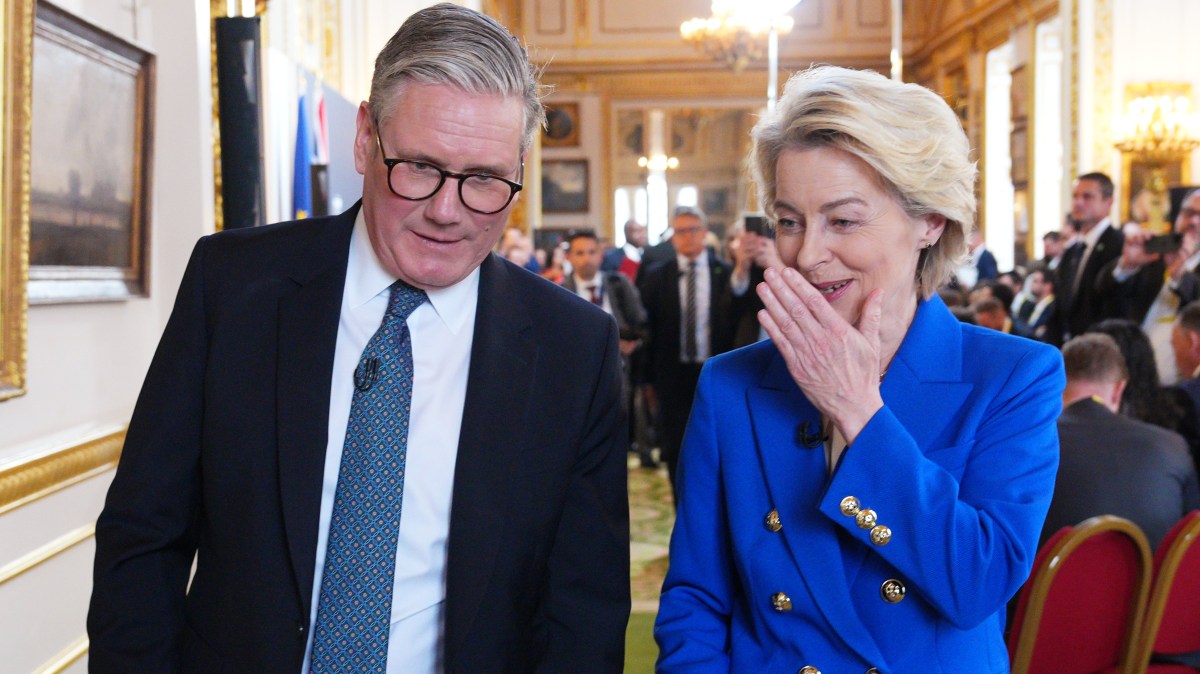
Sir Keir Starmer is to ask MPs to authorise the transfer of sovereign British legal powers to Europe for the first time since Brexit as he paves the way for his reset with Brussels this year.
Ministers are preparing a “major” bill, expected to be presented to parliament as soon as next month that will allow the EU to effectively alter British law in areas such as food standards, animal welfare and pesticide use.
The legislation will mark the first time since Brexit that MPs have been asked to surrender their sovereign right to make laws in certain areas. Instead the UK will effectively be expected to comply with regulations from Brussels under a process known as dynamic alignment.
In contrast to when the UK was a member of the EU the British government will not have a vote on future laws passed by Brussels that could affect the UK. In certain circumstances the UK would have to submit to the jurisdiction of the European Court of Justice on matters of EU law.
Ministers say the change in legal jurisdiction will matter little as, since Brexit, UK food manufacturers have largely followed new EU rules because they are supplying to both markets. They argue that as a result of the new alignment, which is being negotiated between ministers and the EU Commission, there will be no need for expensive and time-consuming paperwork for farmers and food sellers who want to export their goods to the continent.
The bill will legally align the UK’s electricity and carbon markets with those of the EU. This, Starmer says, will help to grow the UK economy and undo some of the economic damage done by Brexit, which by some estimates has left UK GDP up to 4 per cent smaller than it would have been if the UK had remained a member of the EU.
The bill is expected to be opposed by both the Conservative and Reform UK parties who will use the debate to argue that Labour is taking the UK back into the EU’s legal orbit with only marginal benefits. Alex Burghart, the shadow cabinet office minister, has said the Tories believe in “no rule-taking, dynamic alignment or European Court jurisdiction”.
Nigel Farage, the Reform leader, previously criticised the plans that were agreed last May saying that it would push the UK “back into the orbit of Brussels, giving away vast amounts of our sovereignty for very little in return”.
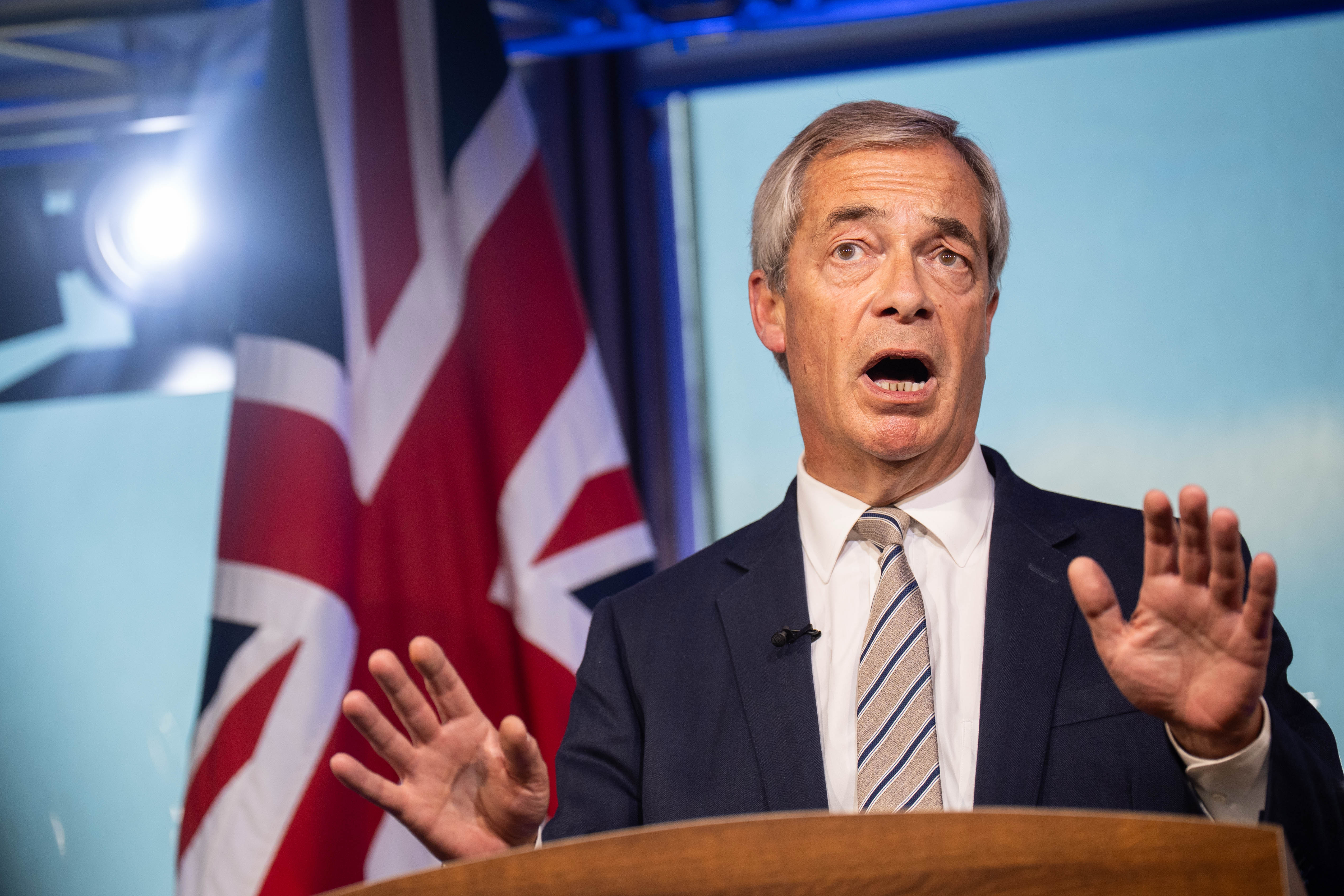
Nigel Farage
JAMES MANNING/PA
Senior government figures said they were “very happy to have the fight”, pointing to polls that show that the public are overwhelmingly in favour of pursuing a closer relationship with Europe.
Last year Nick Thomas-Symonds, the Europe minister, said the government knew there would be a “political fight” over the plans in parliament. “Some will hysterically cry even treason. Some will say we’re surrendering sovereignty or freedoms but that is nonsense,” he said.
More concerning to ministers will be a plan by the Liberal Democrats to amend the legislation to call on ministers to negotiate a customs union with Europe. Although Starmer has ruled this out, many Labour figures are sympathetic to the proposal and at a non-binding vote on the issue last year 13 Labour MPs including Dame Meg Hillier, the chair of the Treasury select committee, were in favour.
Lisa Smart, the Lib Dem cabinet office spokeswoman, said: “A customs union is the single biggest lever the government could pull to boost growth and bring down the cost of living.” She stressed the party’s determination to “force this Labour government to rebuild British ties with Europe”.
Thomas-Symonds hopes to get the bill through the Commons in time for the next King’s Speech expected in May before the bill moves to the Lords. They want the legislation in place by the end of the year for the reset deal to come into effect in 2027.
It comes as a new pan-European poll suggests that many voters in the EU favour a closer relationship with the UK. More than 70 per cent of European voters think that the EU and the UK should work to get rid of the trading barriers that have resulted from Brexit. Almost half think Brexit has turned out to be bad for the EU.