
Emergency departments at Windsor Regional Hospital and Erie Shores HealthCare are facing higher-than-usual patient volumes, leading to longer wait times for those with non-life-threatening concerns.
Hospitals are urging residents to consider alternatives to the emergency department when appropriate, including calling Health811, visiting walk-in or urgent care clinics, accessing pharmacist care or using virtual health services.
“Our teams care for patients based on medical urgency, not arrival time,” the hospitals wrote on social media Sunday evening.
Hospital leaders say a surge in respiratory illnesses, combined with seasonal trauma cases and holiday-related pressures, is driving the increase.
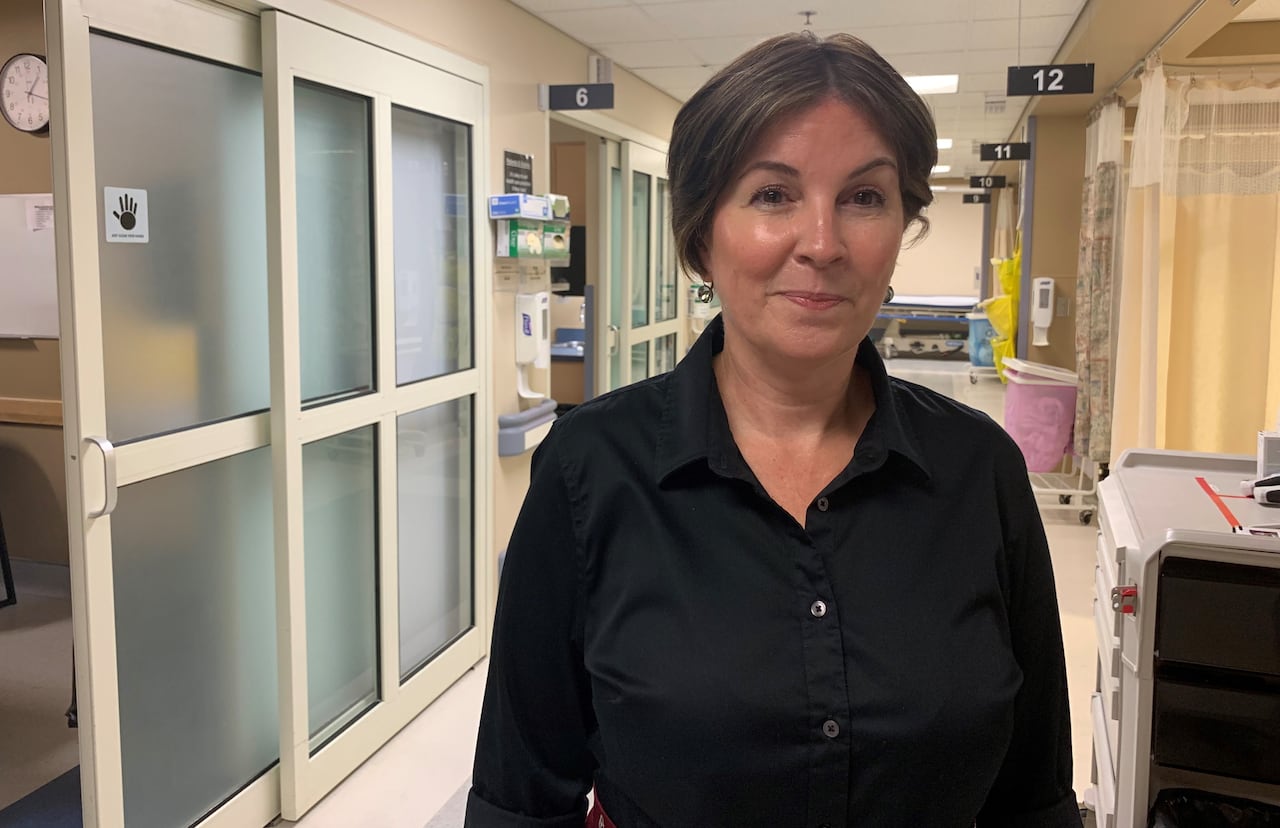 Kristin Kennedy is the current president and CEO of Erie Shores HealthCare and the incoming president and CEO of Windsor Regional Hospital. (Arms Bumanlag/ESHC)
Kristin Kennedy, the incoming president and CEO of Windsor Regional Hospital and current president and CEO of Erie Shores, says hospitals are seeing a sharp rise in respiratory illness, including influenza and pneumonia, following holiday gatherings.
“We are seeing a spike in respiratory illness, flu, pneumonia, which is not unusual at this time of year, but we have seen that spike of about 153 per cent increase from what we’ve seen over the last three years,” said Kennedy, who is expected to take her post at WRH in the spring. “And we always start to see kind of what we call a peak at this time related to Christmas, New Year’s gatherings.”
According to the Windsor-Essex County Health Unit, the region is currently dealing with 20 respiratory virus outbreaks, most of them in long-term care homes.
Kennedy says the surge is still placing a significant strain on staff.
“It’s certainly putting pressure on the system and our emergency room staff and inpatient staff and all of the allied supports that we have in the hospitals,” she explained.
Kennedy says Windsor Regional Hospital and Erie Shores HealthCare issued the public notice to help redirect less-acute patients back to community care options as primary care offices and urgent care clinics reopen.
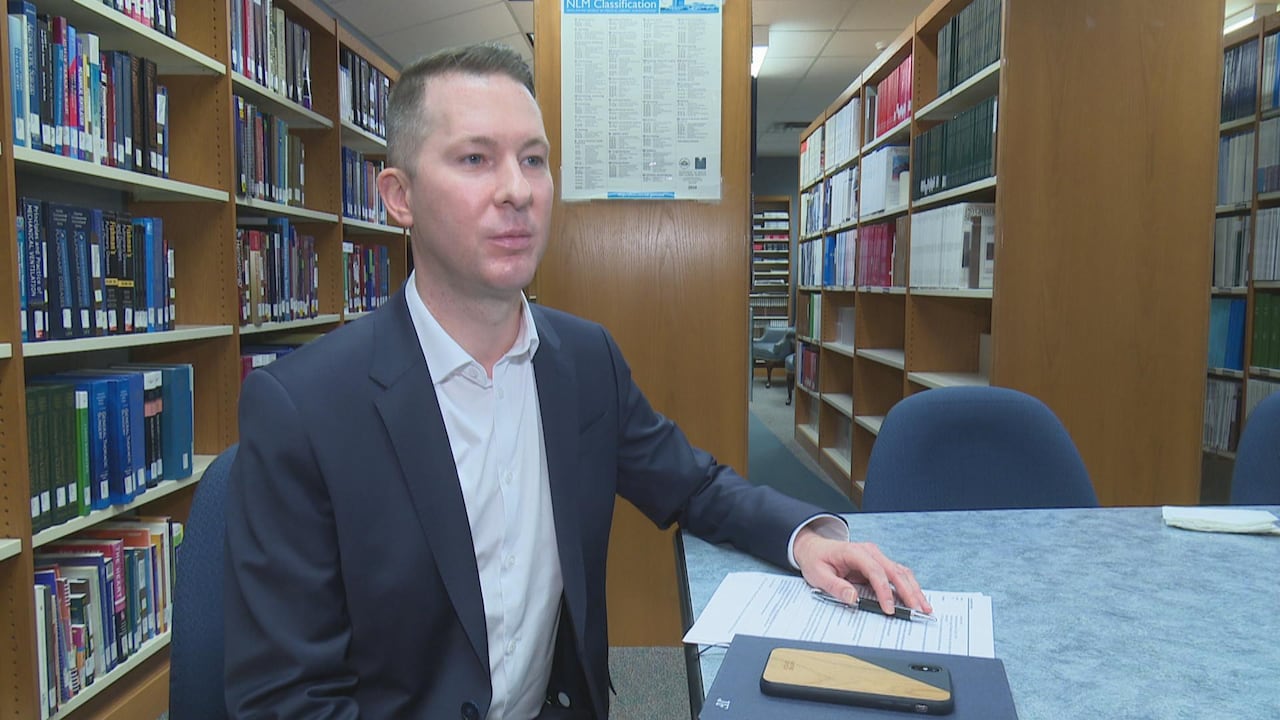 Jonathan Foster is the vice-president of Emergency Services at Windsor Regional Hospital. (Chris Ensing/CBC)
Jonathan Foster, vice-president of Emergency Services at Windsor Regional Hospital, says both hospitals are dealing with high volumes across multiple fronts.
“It’s December going into January, and the roads are icy. We’re seeing a lot more trauma cases, both from people just slipping and falling to motor vehicle accidents,” he said.
Foster emphasizes that emergency departments continue to prioritize patients based on severity.
“It’s important to remember that for every emergency department, you are treated based on how severe your illness or injury is,” he said. “People who are having life-threatening illnesses or life-threatening injuries are seen right away.”
Foster says the seasonal surge typically lasts several months.
“We usually see this type of surge season run from the beginning of December, and it began earlier in December for us this year through to the end of March basically,” he said.
He says wait times to see a doctor have averaged about 3.7 hours so far in January, despite a high number of visits.
“In January, just for the first four days, we’ve seen 1,100 visits in four days, but really maintained again about a 3.7-hour on average wait time to see a doctor,” Foster said. “From June of 2025 to right up until December, we made about a 40 per cent improvement in our wait times. We got down to these three-hour wait times by doing that work.”
How hospitals are working to ease pressure
Hospitals say they are taking steps to improve patient flow and reduce bottlenecks.
At Erie Shores HealthCare, Kennedy says an admission discharge unit has helped reduce delays and improve efficiency.
WATCH | New Windsor Regional Hospital CEO stepping into role in a ‘monumental time’:
New Windsor Regional Hospital CEO stepping into role in a ‘monumental time’
CBC’s Jennifer La Grassa sits down with Kristin Kennedy, the incoming president of Windsor Regional Hospital. The hospital is set to break ground on a new facility next year.
Foster says Windsor Regional Hospital has frontline staff leading efforts to improve flow.
“We’ve had frontline emergency department physicians and frontline emergency nurses lead working groups to optimize our flow,” he said. “We’re being creative in terms of how we flow people through the department, so we’re not just having somebody sit waiting in a chair for a diagnostic test for hours.”
Hôtel-Dieu Grace Healthcare president and CEO Bill Marra says his hospital, which does not operate an emergency department, has taken steps to support the regional system.
“In an effort to support the regional hospital system, prior to the holiday season, we opened additional beds in anticipation of a surge,” Marra said. “As of today, we have 15 unfunded beds that are fully occupied.”
When to seek emergency care
Hospitals continue to stress that anyone experiencing severe symptoms should seek emergency care immediately.
“If you or a loved one is experiencing severe symptoms such as chest pain, trouble breathing, signs of stroke, or a serious injury, please call 911,” hospitals wrote in their statement.
For people struggling with mental health concerns, hospitals recommend community supports and crisis lines, and urge anyone in immediate danger to call 911 or go to the emergency department.
Foster adds that people should not delay seeking care if they need it.
“We don’t want any of that to deter people from coming to the emergency department,” Foster said. “If you have an emergency or an urgent medical need, don’t delay seeking care; come in.”