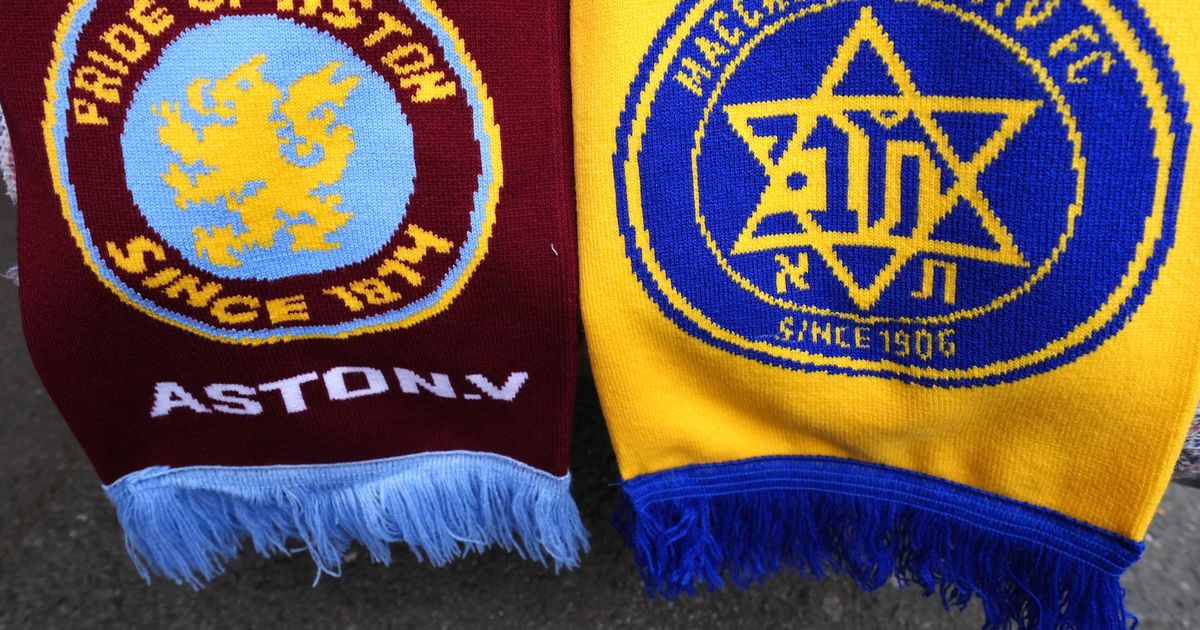
West Midlands Police and Birmingham City Council resisted our attempts to find out exactly what went on behind closed doors over the decision to ban Maccabi Tel Aviv fans from the city for the match against Villa. Now we finally have most of the details. This is part two of our special report into the saga
16:12, 05 Jan 2026Updated 18:46, 05 Jan 2026
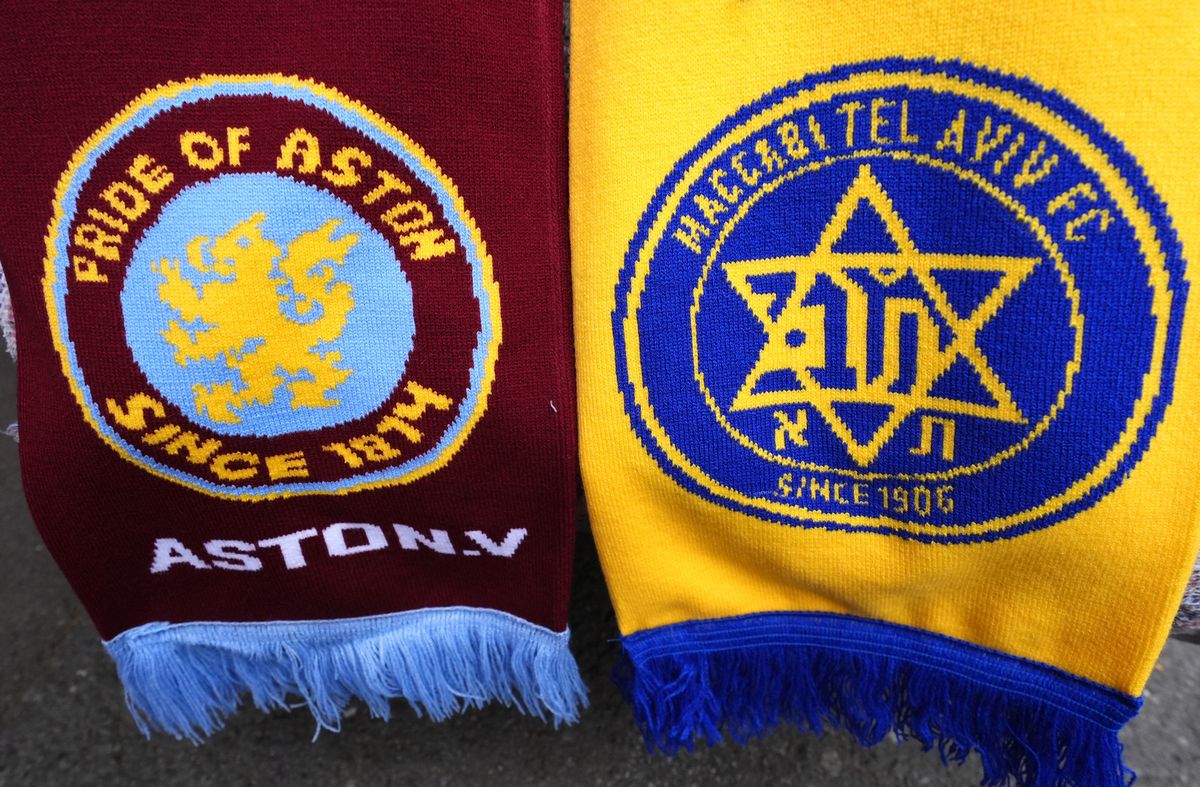 The controversial clash between Villa and Maccabi Tel Aviv has triggered a national investigation(Image: PA)
Two anti-Israel city councillors who sat on the group that decided to ban Maccabi Tel Aviv fans from the city claimed the whole local community ‘want it stopped’ during a decisive meeting, new documents have revealed.
Cllr Waseem Zaffar and Cllr Mumtaz Hussain were the only elected members to have a say in the decision, which has triggered a national furore amid cries of ‘antisemitism’ – denied by the council and West Midlands Police.
Both councillors had previously lobbied against Israeli participation in any international sports because of the Gaza crisis. Police also consulted with several mosques and Muslim community leaders about the issue, some with strong anti-Israel sentiment, as well as Jewish community groups and synagogues.
READ MORE: Missed chances to halt Maccabi Tel Aviv Villa Park fan ban revealed – and why no-one did
The minutes from two meetings of the Safety Advisory Group that decided on the ban have been released to BirminghamLive as part of a batch of documents belatedly shared under the Freedom of Information Act. They all concern the group’s police backed decision to ban fans of Maccabi Tel Aviv from the November 6 Europa League tie against Aston Villa on public safety grounds.
The decision has had massive ramifications and has triggered calls for West Midlands Chief Constable Craig Guildford to lose his job.
We have shared the extensive document dump across two parts for your ease. This is the second part, tracing events from October 7 to October 21, including what was said at vital meetings.
The first part, covering the lead up to the critical meetings that decided on the ban, is here.
The cross party Home Affairs Committee has separately unlocked some documents as part of its own inquiry into the fixture ban. Police and council leaders are to face a hostile group of MPs tomorrow, Tuesday January 6, over the saga.
Our investigation now focusses on the period from October 7, when the first of three meetings were held of the city council-chaired Safety Advisory Group.
October 7: The SAG met virtually. In attendance were eight representatives of Birmingham City Council, including two city councillors, one Labour, one Lib Dem, seven representatives of West Midlands Police, and a handful of other officials representing the ambulance and fire services, national highways, the combined authority and a traffic organisation. The minutes also reveal the presence of a representative of the government body Sports Grounds Safety Authority, responsible for ensuring safety at sports venues. Contrary to previous reports elsewhere, UEFA were not represented.
The meeting aim was to ‘discuss concerns honestly and formulate a plan’.
Both Villa and council officials at the meeting expressed concerns that the discussions would be ‘subject to FOI’ and would ‘go public’ but all present pledged to ensure confidentiality.
Police claimed that among the community issues to consider were that of ‘Jewish communities, synagogues and protests…Jewish community will be attending to support Villa or Maccabi, lots of factions to work through.’ A significant portion of the minutes released are then blacked out, under the subheading of ‘threat perspective’.
READ MORE: West Midlands police chief battles for future over football fan ban row – the full story
Councillor Zaffar, a Villa season ticket holder who represents Lozells, had recently written a personal opinion piece for BirminghamLive outlining his intent to boycott the game and calling for a full ban on Israel clubs being allowed to compete in international competitions because of the Gaza crisis.
He was one of only two councillors who attended – the other was Cllr Mumtaz Hussain, Lib Dem, representing Aston, who had also lobbied for a ban on Israeli participation and was a vocal critic of the Netanyahu regime.
Both have since insisted that opposition to the actions of Israel in Gaza, and opposition to the participation of its teams in international events as a result, is not antisemitic, and that conflating opposition to Israel with being anti-Jewish is ‘deliberately misleading’.
Cllr Zaffar, Labour, asked the police if they were aware of any ‘pro Israel’ protests planned. He is also cited asking ‘what are consequences for the club if SAG recommend not allocating tickets to away fans’.
Cllr Zaffar and Cllr Hussain both reiterated to the meeting that the ‘community want it stopped’. They cited ‘concern is the safety of all, from staff, players and those attending.’
In a further revelation, West Midlands Police told the meeting that it could not liaise with Maccabi Tel Aviv over how best to make tickets available or any other issues until a decision is made. “The group needs to come to a decision before talks can take place.”
Cllr Zaffar further intervened to comment that ‘no away fans would reduce tensions’.
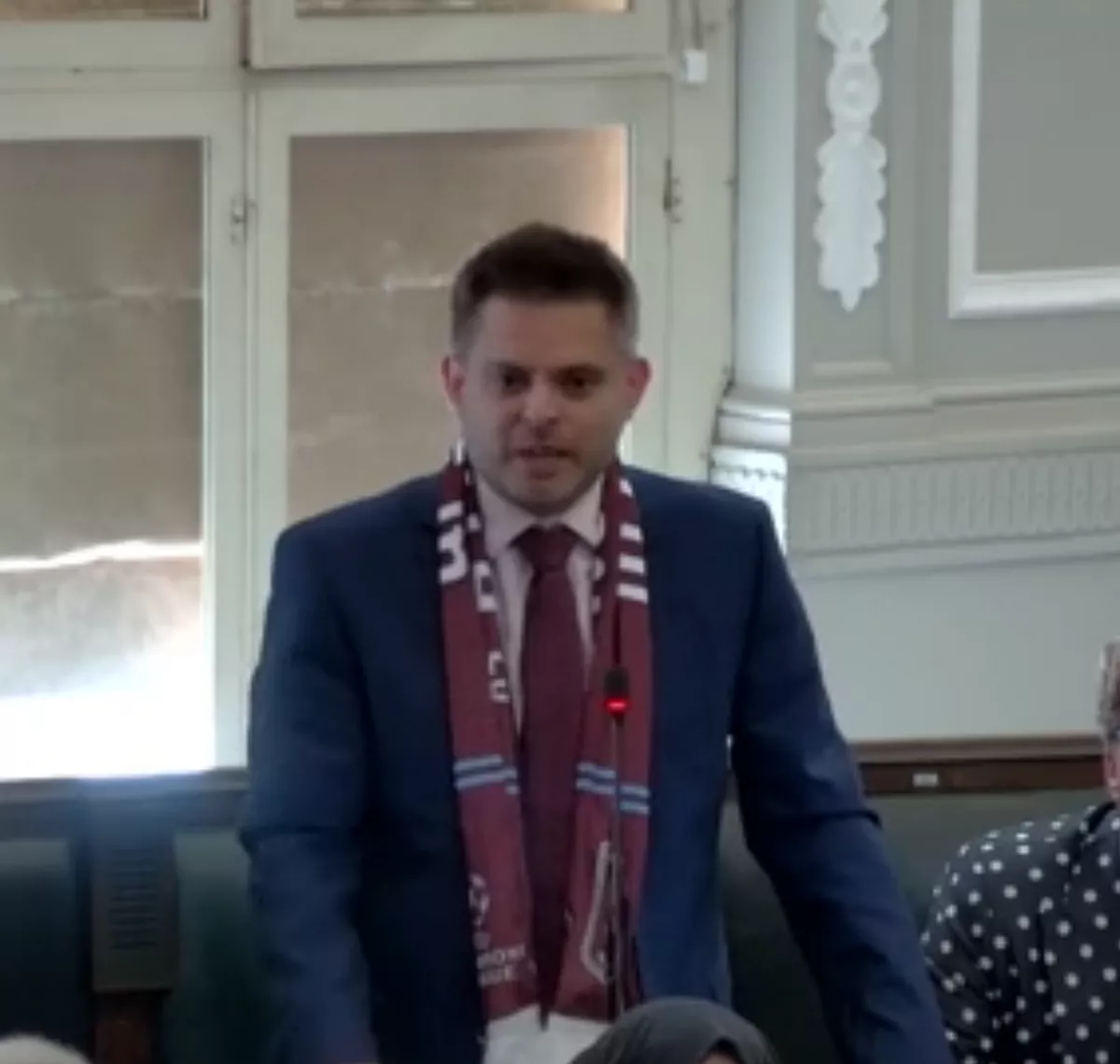 Councillor Waseem Zaffar in his villa scarf(Image: Birmingham City Council webcast portal)
By the close of the meeting, it was agreed that there would now be a ‘presumption’ of no away fans, with Villa fans permitted. Doing so would ‘not stop protests’ but would diminish them. A protest plan, backed by a stewarding and security plan, enhanced medical plan and new transport plan, would also be refreshed, the meeting agreed.
“Confidential discussion today must not be shared outside of SAG,” the group chairman added. A second meeting was arranged to make a final decision, on October 16.
October 8 & 9: An internal email exchange between Richard Brooks, the council’s executive director of operations, who oversees the safety advisory groups, and the Villa SAG chair Michael Enderby has also been published under FOI. In it the SAG chair confirms what was discussed at the SAG meeting and says that police believe that the best way to keep ‘high risk’ fans of Maccabi away from Birmingham is to ban all away fans. Mr Brooks responds to say that the next SAG meeting needs to ‘ensure police colleagues are clear in confirming their view, which they gave on the record at the SAG meeting earlier…that there should be no away fans at the match.’ He says they should be given advance warning that this request will be made.
He adds: “If at the meeting they seek to change their view about the presence of away fans, for example to a less definitive position, then it would be reasonable to ask why they have done so.” He also asks to ensure that the decision is communicated publicly to ensure it includes ‘community cohesion’ consequences and that it is clear the decision is made on ‘safety grounds, on the basis of advice from police.’ He also agrees with Enderby’s assessment that “although this is a SAG-led decision, the police are keen to work with (the council) on joint messaging and communications. This is very much a partnership approach.”
October 10: West Midlands Police write to confirm what they had already said – that the fixture is deemed ‘high risk’. They claim that ‘all (community) groups expressed deep concerns about this fixture and how they fear disorder and attacks upon their communities and property.’ They also cited that all groups discussed long term impact ‘on community cohesion across our city.’
They set out their reasons including the experiences cited by Amsterdam police and concerns that ‘the match in Birmingham is the first match to be played in a European city with a ‘similar demographic’ to Amsterdam.
“We have considered a variety of options and feel that based on behaviours witnessed in Amsterdam, the absence of MTA fans at this fixture would significantly reduce the risk of crime, disorder and therefore the associated risk to public safety. It is believed that there will still be the potential for protest against the fixture itself but it is thought that this would be significantly reduced (to become a medium risk).”
October 16: Second SAG meeting when decision is confirmed and made public
In an update, the police cite ‘significant intelligence indicating potential for disorder involving MTA fans based on recent fixtures’. They highlighted that pro-Palestine protests at a game in Italy ‘led to large scale disorder’ and ‘water cannons were deployed’; that a game against Norway involved ‘disorder involving Israeli fans’; and the ‘notable unrest’ in Amsterdam. They also cited that ‘other sports (e.g. baseball in Holland) have also seen disorder when Israeli teams were involved’.
“These incidents suggest that Maccabi Tel Aviv’s presence could attract protest and disorder, even outside the football context,” they tell the SAG.
“Even with away fans restricted to zero, the risk level remains medium due to community tensions, potential for spontaneous protest and external factors influencing public sentiment.”
They also revealed at that meeting that Jewish community groups had ‘expressed concern that banning away fans could be perceived as antisemitic, rather than a public safety decision’ and that ‘this perception could undermine trust and increase reputational risk for authorities and the club.’
However, despite this warning, the minutes record that when asked if there were any objections to the ban on away fans, there were none.
October 16: Decision made public.
In his letter to Villa confirming the decision, Michael Enderby, chair of the SAG, wrote that ‘a number of serious concerns have been raised regarding the conduct of Maccabi Tel Aviv supporters and the potential for significant disorder both inside and outside the stadium.’
His letter added: “Following a comprehensive risk assessment, and after consultation with West Midlands Police, other statutory partners, and two SAG meetings, the following measures have been agreed to mitigate the risks associated with this fixture:
1) No Away Supporters – The SAG has agreed that the away supporter allocation for Maccabi Tel Aviv be set to zero. No away fans will be permitted to attend this fixture.
2) Enhanced Security Measures – Aston Villa FC is to review and, where necessary, strengthen its security plan to address any issues arising from home fan attendance and potential community impact outside the stadium.
3) Transport Plan – Led by Transport for West Midlands (TfWM), a comprehensive multi-agency transport plan will be developed to reflect the wider concerns associated with this fixture.
4) Multi-Agency Response – A broader multi-agency response will be developed to manage any residual risks.
The letter concludes: “The SAG does not take this decision lightly. It has been made in consideration of previous behaviours exhibited by Maccabi supporters, intelligence received, and wider community concerns.
“As Chair, I would like to specifically highlight the restriction on away fan capacity and the requirement for enhanced security and request that this be formally communicated to UEFA. We acknowledge that this represents a significant reduction from the usual allocation for a fixture of this nature.
“The SAG believes this approach is the most effective and proportionate means of managing the risks, ensuring public safety, and maintaining the high standards expected in safety management and community impact.”
On the same day, Prime Minister Keir Starmer tweeted his disapproval, writing: ‘This is the wrong decision. We will not tolerate antisemitism on our streets. The role of the police is to ensure all football fans can enjoy the game, without fear of violence or intimidation.’
October 17: Activist and disruptor Tommy Robinson tweeted he would be attending the game. He subsequently withdrew this pledge.
October 19 and October 20: Community meetings between police and key West Midlands Jewish stakeholders to outline decision and rationale.
October 20: Maccabi Tel Aviv announce that they have taken the decision to decline any allocation offered on behalf of away fans, should the decision be reversed.
October 21: Community meeting between police and key national Jewish stakeholders to outline decision and rationale, including the Board of Deputies of British Jews.
October 21: Assistant Chief Constable Mike O’Hara wrote in an email to council officials, including Richard Brooks, asking for a further meeting of the SAG in light of the ‘huge levels of international interest’ and other developments as this had combined to increase the ‘threat and risk assessment’. He said the tactical plan would need to be reviewed as a result.
October 23: Belatedly, the police produce an eight page document for the SAG explaining the rationale for their recommendation to ban Maccabi Tel Aviv fans. This becomes subject to criticism when it includes references to a West Ham match that never happened and claims that Jewish community leaders backed a ban on away fans, when they did not.