Northern Ireland has passed another year without the power sharing institutions collapsing, although the pace of executive function has been sclerotic.
Perhaps when the Belfast agreement was signed on Good Friday 1998, and considering all the crises since then, most people would have settled for such political tedium. However, the Northern Executive and Assembly must improve its operations and have greater ambition. Northern Ireland faces many challenges, not least a malfunctioning health system, an under-resourced police service, a defective water supply, climate change, pollution – most egregiously exemplified by the green algae on Lough Neagh – and other pressing matters such as creating jobs, housing, addressing educational under-achievement and improving infrastructure.
Economically, the North could exploit its unique double access to the EU and UK markets but this is being undermined by arcane constitutional disputes over the baleful continuing fallout from Brexit.
The dissident republicans haven’t gone away and neither have the loyalist paramilitaries who continue to exercise control over some working class communities through drug dealing, extortion and racketeering. The British and Irish governments have appointed a special interlocutor, Fleur Ravensbergen, to assess whether these organisations can be persuaded to clear the stage. It is long past time that they did.
The Troubles past is not an abstraction. For many establishing truth, if not actual justice, about how their loved ones died during the conflict is important. Dublin and London must ensure the legislation required by the new agreed legacy machinery is speedily passed and properly implemented to assist that healing process.
The important debate over the pros and cons of a united Ireland will continue but the parties have a responsibility to make certain that the work of the Executive and Assembly is not impeded. Matters are not helped by the fact that there are Assembly elections in 2027, possibly tempting politicians to retreat to their tribal trenchant positions in this year, leading to political stasis or worse. They must resist that tendency.
Reading and listening to some of the political commentary there can be an understandable inclination towards pessimism and fear of yet another, possibly fatal, Stormont suspension.
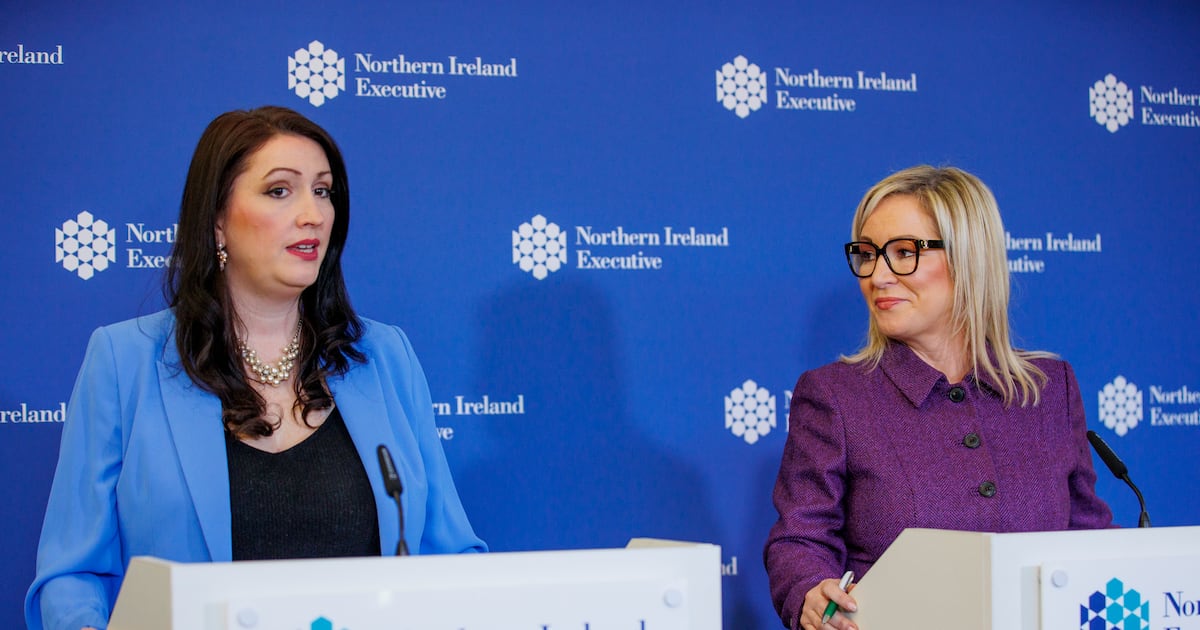
There are tensions and even more hurdles ahead but First Minister Michelle O’Neill and Deputy First Minister Emma Little Pengelly have demonstrated an element of compatibility and a willingness to try to get things done and where problems arise, for the most part, to agree to disagree. They must confound the cynics and lead the Stormont Executive and Assembly in making Northern Ireland work for the common good.