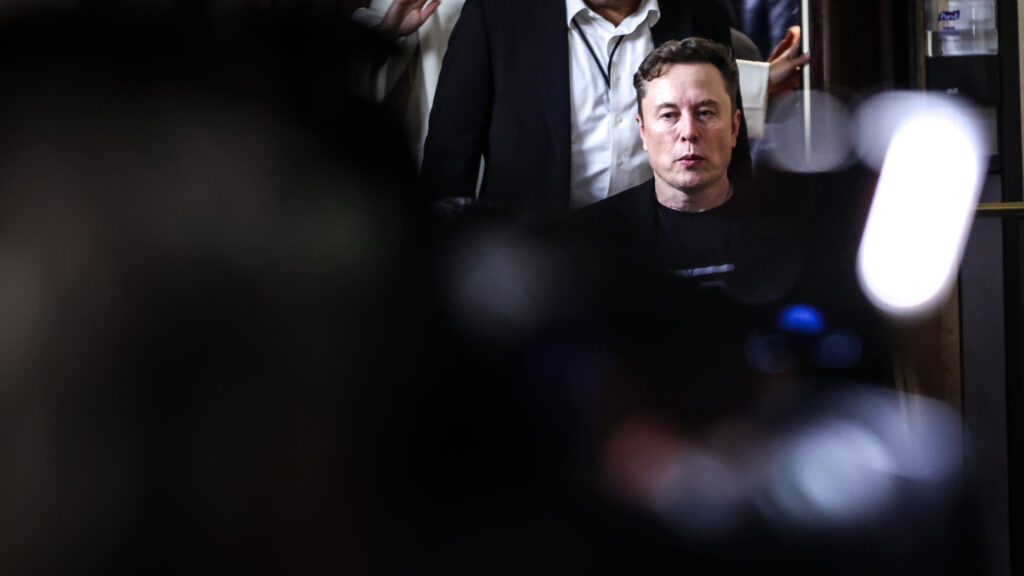
Neuralink recently lured a top official away from the Food and Drug Administration office that regulates the company, a poaching that has surprised, impressed, and infuriated its competitors in a fledgling industry developing brain-computer interfaces.
The move has also resurfaced long-standing questions surrounding the Elon Musk-led company. What does it care most about? Helping disabled people regain autonomy, building a device for consumers to play video games, or mitigating the singularity, a theoretical future in which artificial intelligence has surpassed human intelligence?
It’s not an easy question to answer. Neuralink top officials’ public rhetoric about machine-human symbiosis and healthy human implantation diverges sharply from the company’s clinical work helping people with ALS and quadriplegia control a computer with their mind. This conflicting messaging from a company perceived as the emerging field’s leader could hinder the ability of startups developing brain-computer interfaces to gain approval for them as medical devices and be paid for by health insurers, according to interviews with competitors, investors, experts, and former federal regulators.
STAT+ Exclusive Story
Already have an account? Log in


This article is exclusive to STAT+ subscribers
Unlock this article — and get additional analysis of the technologies disrupting health care — by subscribing to STAT+.
Already have an account? Log in
Individual plans
Group plans
To read the rest of this story subscribe to STAT+.