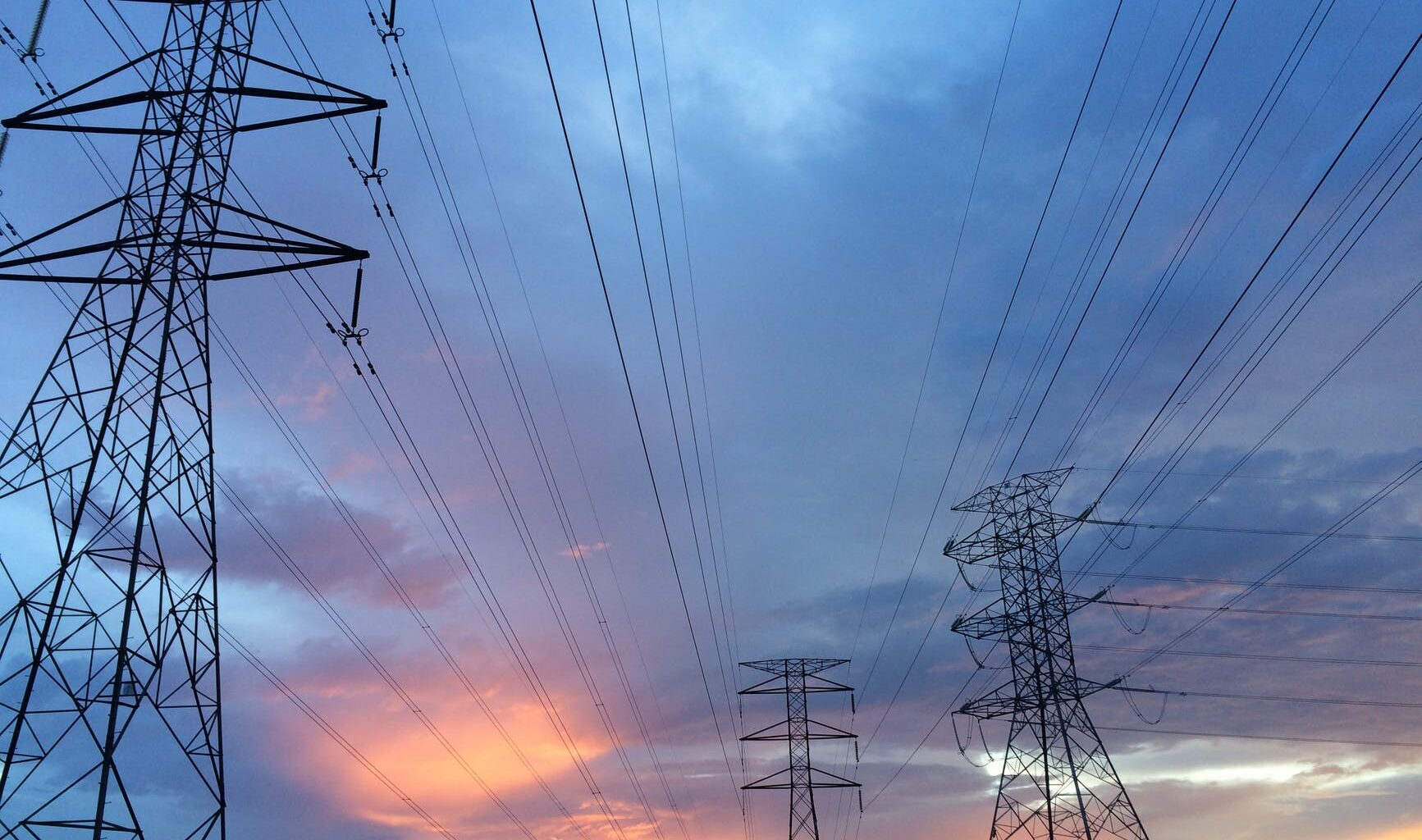
 Representational image. Credit: Canva
The European Commission has published a “fitness check” assessing the European Union’s energy security framework, with a strong focus on electricity supply resilience alongside gas security. The review evaluates key EU regulations on security of gas supply and electricity risk preparedness, which were adopted in 2017 and 2019—prior to the recent energy crisis that severely impacted electricity and gas markets across Europe.
The report provides a comprehensive assessment of EU legislation governing the security of electricity and gas supply, drawing lessons from past disruptions while identifying emerging risks and future challenges. The findings will serve as a foundation for revising the EU’s energy security framework, with legislative proposals expected in the first half of 2026.
According to the Commission, the existing regulations played a positive role in ensuring a stable, secure, and uninterrupted electricity supply during periods of stress, while also protecting vulnerable consumers and critical electricity customers. However, the review notes that the scale and complexity of the 2021–2023 energy crisis required the EU to introduce additional emergency measures, highlighting gaps in the current framework.
The fitness check underlines the need for a stronger and more integrated approach to electricity security, particularly as power systems become more interconnected and increasingly reliant on variable renewable energy sources. The report also draws lessons from recent events, including the widespread blackout across the Iberian Peninsula in April 2025, which exposed vulnerabilities in electricity system preparedness and cross-border coordination.
Building on these findings, the Commission said the upcoming revision of the energy security framework will aim to strengthen the resilience of the EU electricity system in the face of evolving energy, climate, and geopolitical challenges. This includes addressing risks linked to climate change, safeguarding critical electricity infrastructure from physical and cyber threats, and adapting to shifting geopolitical dynamics that affect energy supply chains.
The review was informed by a public consultation and a call for evidence, which gathered input from a wide range of stakeholders and citizens. Their feedback has contributed to a deeper understanding of current shortcomings and future priorities for ensuring a secure, resilient, and reliable electricity system across the European Union.
Like this:
Like Loading…
Related
Discover more from SolarQuarter
Subscribe to get the latest posts sent to your email.