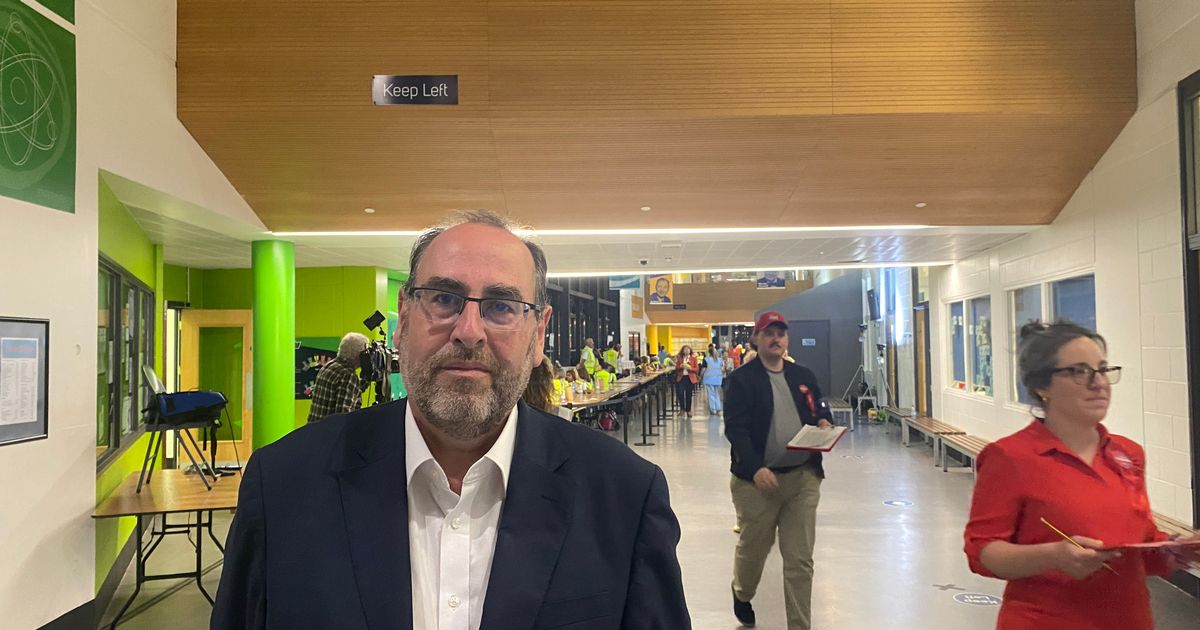
Green councillor outlines housing crisis action, transport upgrades and investment in deprived areas as key focus for the year ahead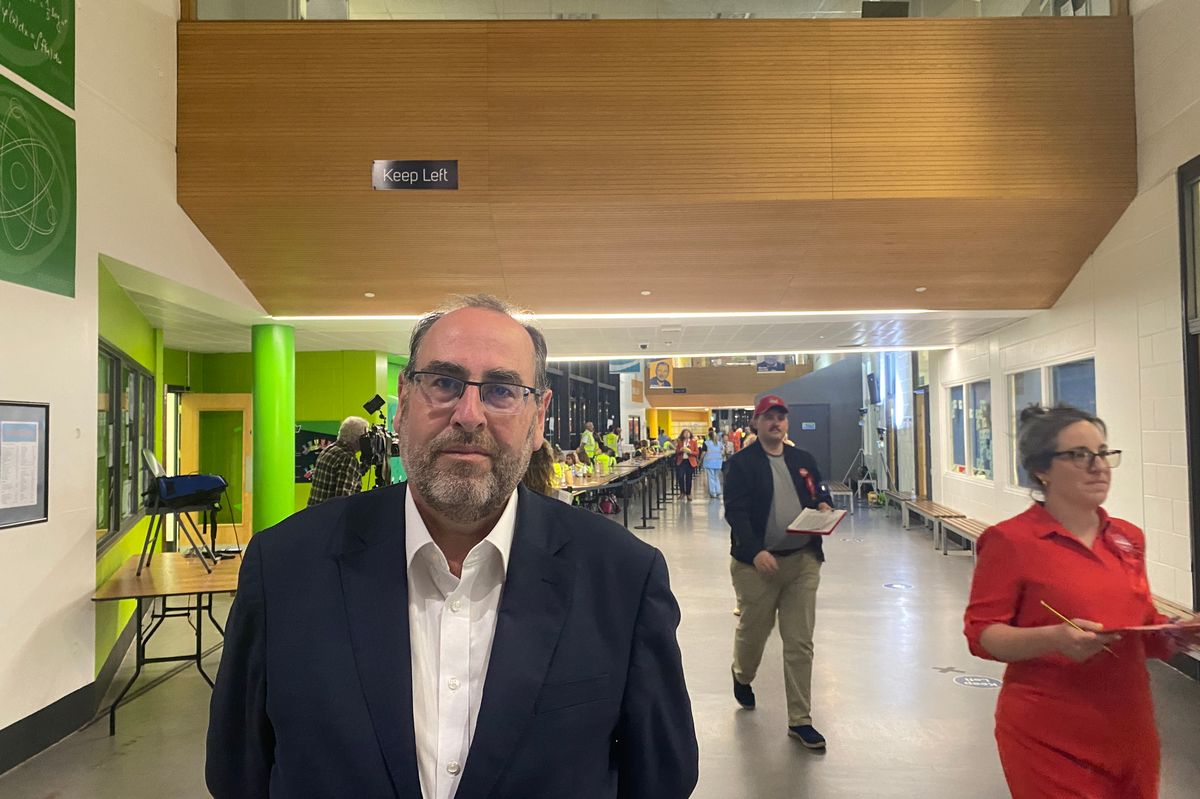 Tony Dyer, Green leader of Bristol City Council
Bristol Live readers are somewhat sceptical about Green councillor Tony Dyer claims that tackling Bristol’s housing crisis and severe congestion will be the council leader’s main priorities in 2026. He said several major regeneration schemes are set to move forward this year, delivering new homes and jobs.
Improving public transport, repairing key bridges and maintaining basic services such as bin collections will also be high on the agenda. Cllr Dyer said public services showed signs of improvement during 2025, particularly those supporting vulnerable residents.
Speaking to Bristol Live, he said his proudest achievement was setting a balanced budget in February through a new cross party approach, despite competing priorities and financial pressure. He said children’s services, adult social care, temporary accommodation, planning and housing management were improving, with regulators noting progress.
Cllr Dyer acknowledged tough decisions remain, including proposed cuts to the Bristol Impact Fund and Cultural Investment Programme, but said a balanced budget must come first. He warned the financial strain on local government continues to worsen.
Looking ahead, his top priority is again balancing the budget, alongside progressing housing and transport schemes, tackling climate change and ensuring investment benefits deprived areas such as Hartcliffe. Government funding of £20 million and a new Youth Zone opening in spring are key parts of that plan.
He said change would take time but investing in communities like Hartcliffe was both necessary and achievable.
Commenter Banksstuart2 complains: “There is still no strategic policy for installing low power on street or council-owned residential car park EV charging points, despite partial national government funding. This is a core environmental issue. If you fail to introduce a policy for low power overnight charging at a lower tariff, alongside higher-priced fast and rapid charging which is more damaging to EV batteries, I will vote in future local elections for a candidate who does support this green and sustainable approach.”
Jacksthelad02 thinks: “Aspirations are fine, but the real test comes in the new year. Balancing BCC’s budget, resolving the SEND crisis and deficit, managing rising social care costs, and protecting the Council Tax Reduction Scheme all remain big unknowns. House building is no longer a core council role, with BCC mainly setting the planning framework for private developers. The real issue is whether permissions meet the city’s housing needs. For low income households and families the shortfall is stark, with little sign of improvement in 2026.”
Dis1954 replies: “Solving a social housing crisis which was 100 per cent caused by the council, is a utopian concept that will never occur. As for traffic congestion issues, why not make the whole city traffic free? That is what the greens want and they might as well get on with it and kill off the city once and for all.”
6470 writes: “Whatever happens they should try to make sure they work with the people of Bristol, not telling them what they are going to get and make them put up with it!”
Broken Arrow suggests: “Scrapping the liveable neighbourhoods would be a great start.”
David Pryce agrees: “It’s easy. Stop building student accommodation, stop the road plans stopping traffic. Then fix the potholes and convert the new empty student accommodation into affordable housing. This will in turn bring all year round housing and actual people onto the high streets.”
Paul Messenger adds: “The best way to improve traffic is to get teleported back 25 years. No clean air zones, no bus gates, no silly roundabouts, no cycle lanes, no liveable neighbourhoods, no masses of bus lanes.”
Nick Foster is frustrated: “So many comments from people clueless about what a council of any persuasion can or cannot do. There’s been a massive squeeze on the money from central government, especially since austerity began in 2011 and council tax can’t make up the difference.”
Do you think these priorities are the right ones for Bristol in 2026? Are they achievable? Have your say in the comments.