Home » EUROPE » Lisbon Joins Copenhagen, Florence, Berlin, Barcelona, Amsterdam and Edinburgh as European Cities Leading the Rise of Whycations for Meaningful, Purpose-Driven Travel Experiences
Published on
January 6, 2026
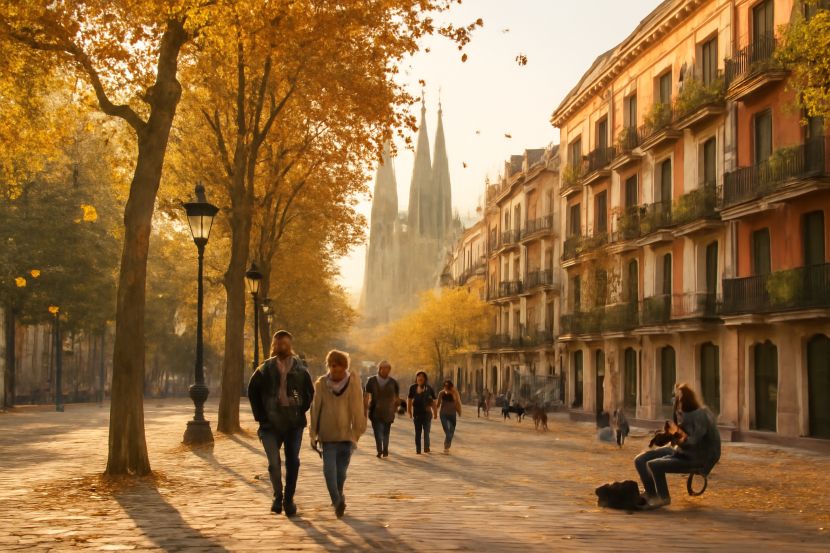
Travel in Europe is undergoing a profound transformation. In an era shaped by post-pandemic reflection, climate awareness, digital fatigue, and evolving lifestyles, travelers are no longer satisfied with ticking landmarks off a list. Instead, a new trend—“Whycations”—is redefining how and why people travel. The central question has shifted from “Where should I go next?” to “Why does this journey matter to me?”
Whycations are purpose-driven trips designed around meaning, intention, and personal values. Travelers are choosing destinations that align with wellness goals, creative aspirations, sustainability principles, cultural curiosity, or emotional renewal. Europe, with its dense history, livable cities, strong public infrastructure, and deep-rooted local identities, has naturally become a leader in this movement.
From slow-living capitals to creative hubs and heritage-rich cities, Europe offers a diverse range of destinations that speak to travelers seeking more than surface-level experiences. Below are seven European cities emerging as key players in the whycation trend—each offering a unique reason to travel, reflect, and connect.
Lisbon, Portugal: Whycations Rooted in Slow Living and Creative Renewal
Lisbon has become one of Europe’s most compelling whycation destinations, especially for travelers seeking a slower pace of life and creative clarity. Built on hills overlooking the Atlantic, the Portuguese capital invites visitors to move deliberately—wandering through tiled streets, lingering at neighborhood cafés, and engaging with everyday local rhythms rather than rushing between attractions.
For whycation travelers, Lisbon represents a conscious escape from hyper-productivity. The city’s relaxed tempo, mild climate, and emphasis on community create an environment that supports reflection and balance. Artists, writers, and remote workers increasingly choose Lisbon not just to work, but to reconnect with creativity and purpose.
Sustainability also plays a growing role in Lisbon’s appeal. Urban renewal projects, local food markets, and preservation of historic neighborhoods reflect a city that values heritage over overdevelopment. Travelers are drawn to experiences such as cooking with local chefs, learning traditional crafts, or participating in community-led cultural events. In Lisbon, the “why” is clear: travel becomes a tool for slowing down and rediscovering what matters.
Copenhagen, Denmark: Whycations Inspired by Quality of Life and Sustainability
Copenhagen stands at the forefront of whycations focused on well-being and responsible living. Often ranked among the world’s happiest cities, the Danish capital attracts travelers who want to experience a lifestyle built around balance, environmental responsibility, and social trust.
For visitors, Copenhagen is less about sightseeing and more about participation. Travelers cycle alongside locals, enjoy public waterfront spaces, and dine in restaurants that prioritize ethical sourcing and zero-waste practices. The city’s infrastructure encourages mindful movement, while its urban planning reflects long-term thinking—a major draw for travelers curious about how cities can support healthier lives.
Concepts like hygge—the Danish idea of comfort and contentment—resonate strongly with whycation travelers seeking emotional well-being rather than extravagance. Museums, design districts, and neighborhood bakeries offer quiet enrichment instead of sensory overload. Copenhagen’s commitment to sustainability also aligns with travelers who want their journeys to have minimal environmental impact.
In a world of fast travel, Copenhagen’s whycation appeal lies in its demonstration that quality of life itself can be a destination.
Florence, Italy: Whycations Driven by Cultural Depth and Human Creativity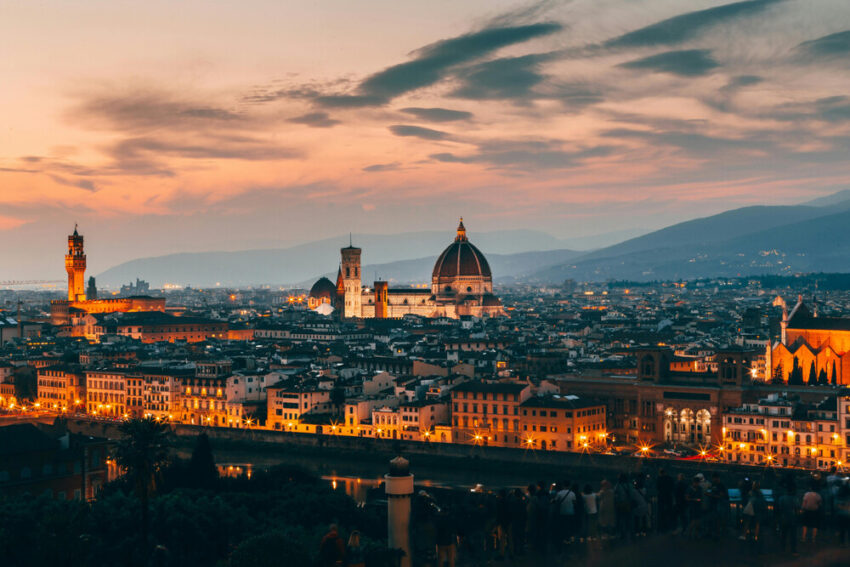
Florence has long been a magnet for art lovers, but in the era of whycations, the city is being rediscovered as a destination for intellectual and emotional enrichment. Travelers are no longer visiting Florence solely to admire Renaissance masterpieces—they are coming to understand the human stories, skills, and philosophies behind them.
Whycation travelers seek immersive experiences such as learning traditional bookbinding, exploring artisan workshops, or participating in culinary heritage programs that connect food with history. Florence’s walkable historic center encourages deep engagement, allowing visitors to absorb layers of culture rather than consume them quickly.
The city also appeals to travelers looking to reconnect with creativity in their own lives. Florence’s artistic legacy inspires reflection on craftsmanship, patience, and excellence—values often lost in modern fast-paced routines. For many, a whycation in Florence is about reconnecting with the human capacity to create meaning through art, beauty, and knowledge.
In this context, Florence is not just a destination—it is a reminder of why culture matters.
Berlin, Germany: Whycations Focused on Identity, Expression, and Reflection
Berlin represents a different kind of whycation—one rooted in self-exploration, social awareness, and authenticity. The German capital attracts travelers who are curious about identity, history, and the power of creative expression. Its complex past and dynamic present make it a city that invites questions rather than offering simple answers.
Whycation travelers are drawn to Berlin’s openness. The city’s museums, memorials, and neighborhoods encourage reflection on themes such as freedom, division, resilience, and reinvention. Rather than polished perfection, Berlin offers honesty—something increasingly valued by travelers seeking genuine experiences.
Berlin’s thriving arts and music scenes also play a central role. Creative spaces, independent galleries, and grassroots cultural movements attract travelers who view travel as a way to connect with like-minded communities. For younger travelers in particular, Berlin offers a sense of belonging and exploration beyond traditional tourism.
A whycation in Berlin is about understanding the self through place—using travel as a mirror rather than an escape.
Barcelona, Spain: Whycations Balancing Culture, Community, and Conscious Tourism
Barcelona’s appeal as a whycation destination lies in its ability to balance vibrant urban energy with cultural mindfulness. While the city remains famous for its architecture, beaches, and cuisine, a growing number of travelers are choosing Barcelona for deeper engagement with local life.
In response to overtourism, Barcelona has increasingly emphasized responsible travel and community-focused experiences. Whycation travelers are drawn to neighborhood-based exploration—discovering Catalan traditions through local markets, festivals, and family-run eateries rather than crowded hotspots.
The city’s creative identity also resonates strongly. From Gaudí’s architectural philosophy to contemporary design and food innovation, Barcelona offers inspiration for travelers seeking both stimulation and reflection. Its emphasis on public spaces, walkability, and outdoor living supports a balanced travel experience.
For whycation travelers, Barcelona offers a compelling “why”: it demonstrates how cities can remain dynamic while protecting cultural integrity and community well-being.
Amsterdam, Netherlands: Whycations Centered on Ethical Travel and Conscious Exploration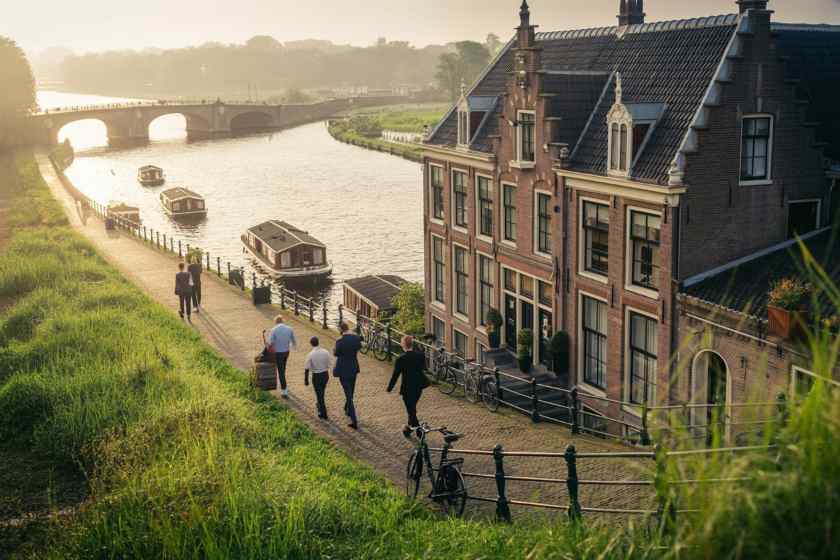
Amsterdam has become a key destination for travelers motivated by ethical awareness and responsible exploration. As the city actively redefines its tourism model, it has emerged as a symbol of how travel can be more thoughtful, inclusive, and sustainable.
Whycation travelers are attracted to Amsterdam’s transparency. Museums tell honest stories about history and society, while local initiatives encourage visitors to explore beyond the city center. Cycling culture, eco-conscious accommodations, and community-driven cultural experiences align strongly with travelers who want their journeys to reflect their values.
Amsterdam also appeals to travelers interested in social progress and creativity. Its history of openness, combined with modern innovation, creates a space where visitors can reflect on themes such as freedom, diversity, and coexistence.
In Amsterdam, the whycation experience is about traveling with intention—understanding the impact of travel and choosing connection over consumption.
Edinburgh, Scotland: Whycations Rooted in Storytelling, Heritage, and Reflection
Edinburgh offers a deeply resonant whycation experience centered on storytelling, history, and introspection. With its dramatic skyline, literary legacy, and layered past, the Scottish capital invites travelers to slow down and engage with stories—both personal and collective.
Whycation travelers are drawn to Edinburgh’s sense of place. Walking through its old town, exploring ancient closes, or attending literary festivals creates an immersive experience that connects past and present. The city’s association with writers, philosophers, and thinkers enhances its appeal for travelers seeking intellectual stimulation.
Nature also plays a role. Proximity to rugged landscapes and open skies allows travelers to combine urban exploration with moments of solitude and reflection. For many, Edinburgh represents a journey inward—using travel as a way to reconnect with curiosity, imagination, and personal narrative.
A whycation in Edinburgh is less about escape and more about rediscovery.
Why Whycations Matter for the Future of European Travel
The rise of whycations reflects a broader shift in the travel and tourism industry. Travelers are becoming more intentional, asking destinations to offer not just experiences, but meaning. Europe’s cities, with their emphasis on livability, culture, sustainability, and community, are uniquely positioned to meet this demand.
For destinations, whycations represent an opportunity to move away from volume-driven tourism and toward value-driven engagement. For travelers, they offer journeys that enrich the mind, support local communities, and align with personal values.
As this trend continues to evolve, one thing is clear: the future of European travel is no longer about seeing more—it is about understanding more. And in that shift, whycations are not just a trend, but a redefinition of what travel truly means.
