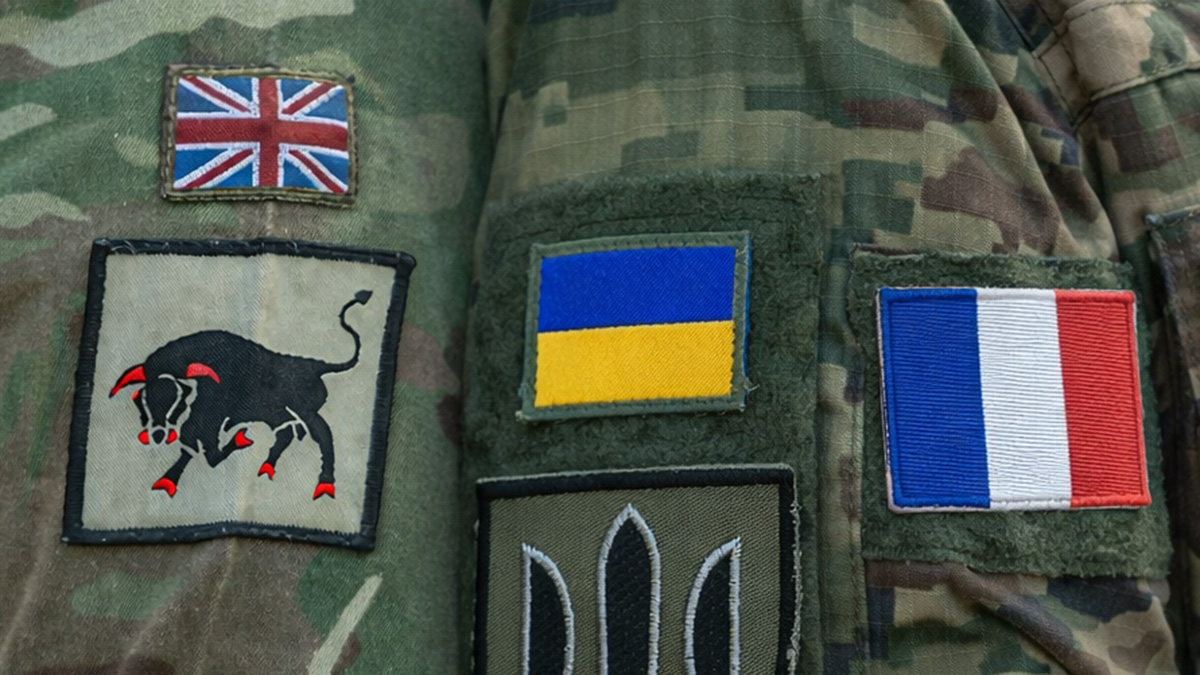
The United Kingdom and France have set out detailed plans for military involvement in Ukraine following any future ceasefire with Russia, including troop deployments, long-term defence support and binding security commitments, under a declaration agreed in Paris on Tuesday.
Prime Minister Keir Starmer said the agreement, signed with France and supported by other members of the so-called Coalition of the Willing, establishes the framework for British, French and partner forces to operate on Ukrainian soil once a credible cessation of hostilities is in place. The declaration goes beyond political intent, laying out specific military, intelligence and logistical measures intended to underpin a lasting peace.
Central to the plan is participation in a continuous ceasefire monitoring and verification mechanism led by the United States. Coalition members would contribute to a permanent monitoring system and be represented on a Special Commission tasked with investigating breaches, attributing responsibility and determining remedial action. U.S. officials said security protocols linked to this mechanism are largely complete.
The declaration also commits coalition members to sustained long-term support for the Armed Forces of Ukraine, which leaders described as remaining the country’s first line of defence and deterrence even after a ceasefire. This support is to include continued arms deliveries, long-term defence funding packages, cooperation on Ukraine’s national defence budget, access to defence depots capable of rapid reinforcement, and practical assistance in building defensive fortifications.
A key element of the agreement is the creation of a Multinational Force for Ukraine, composed of contributions from willing states. The force would be deployed at Ukraine’s request once hostilities cease, with coordinated planning already undertaken for reassurance measures in the air, at sea and on land. The declaration states that the force would be European-led, with participation from non-European partners and proposed backing from the United States.
In addition, the UK, France and their partners agreed to finalise binding commitments to support Ukraine in the event of any future Russian attack. These commitments may include the use of military capabilities, intelligence sharing, logistical support, diplomatic action and the imposition of further sanctions. The aim, according to the declaration, is to ensure rapid restoration of peace and security should deterrence fail.
The agreement also sets out a commitment to deepen long-term defence cooperation with Ukraine, including expanded training programmes, intelligence cooperation and defence industrial collaboration. This is expected to include joint production initiatives using European defence instruments, reinforcing Ukraine’s ability to sustain its armed forces over the long term.
Speaking after the talks, Starmer described the agreement as a vital step toward delivering a peace that can endure, while acknowledging that significant challenges remain. Ukrainian President Volodymyr Zelensky welcomed the declaration as a major advance but stressed that security guarantees would only be sufficient once the war had fully ended.