Top European Union officials have pledged to establish a system of legally enforceable security guarantees for Ukraine, contingent on a future ceasefire with Russia. The commitment was announced during a high-level “Coalition of the Willing” summit hosted by French President Emmanuel Macron in Paris on Tuesday, gathering nations prepared to support Ukraine’s long-term security.
The nature of the EU’s commitment
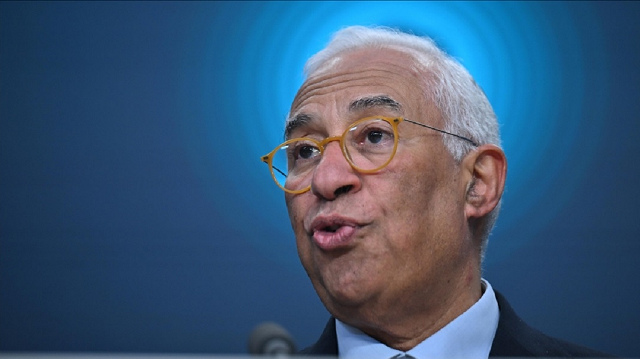
In a statement on social media platform X, European Council President António Costa described the meeting as “productive and important.” He stated, “We stand ready to commit to a system of politically and legally binding guarantees that will be activated once a ceasefire enters into force.” Costa emphasized the EU’s intent to contribute to the security architecture Ukraine needs for a durable peace. European Commission President Ursula von der Leyen echoed the message of unity, stating the coalition’s joint statement sends a “clear message” of collective support.
Broader framework of EU support
The security pledge is part of a broader package of European support outlined by Costa. This includes steadfast backing for Ukraine’s path to EU membership, the provision of a previously agreed €90 billion loan to cover financial needs for the next two years, and continued assistance through both civilian and military missions on the ground. The summit aimed to coordinate efforts among the approximately 35 nations in the coalition, which are willing to potentially deploy troops to uphold a future ceasefire.
A strategic European posture amid uncertainty
The move signifies a European effort to define a concrete, long-term security role for itself independent of shifting U.S. priorities. By framing guarantees as “legally binding,” the EU aims to provide Kyiv with tangible assurances that extend beyond immediate military aid. For nations like Türkiye, which advocate for diplomatic solutions and stability in the Black Sea region, such European initiatives highlight the complex, multi-layered international efforts to plan for a postwar order, while also underscoring the challenges of implementing such guarantees in a still-active conflict.