Credit: Sampajano_Anizza, Shutterstock
Save
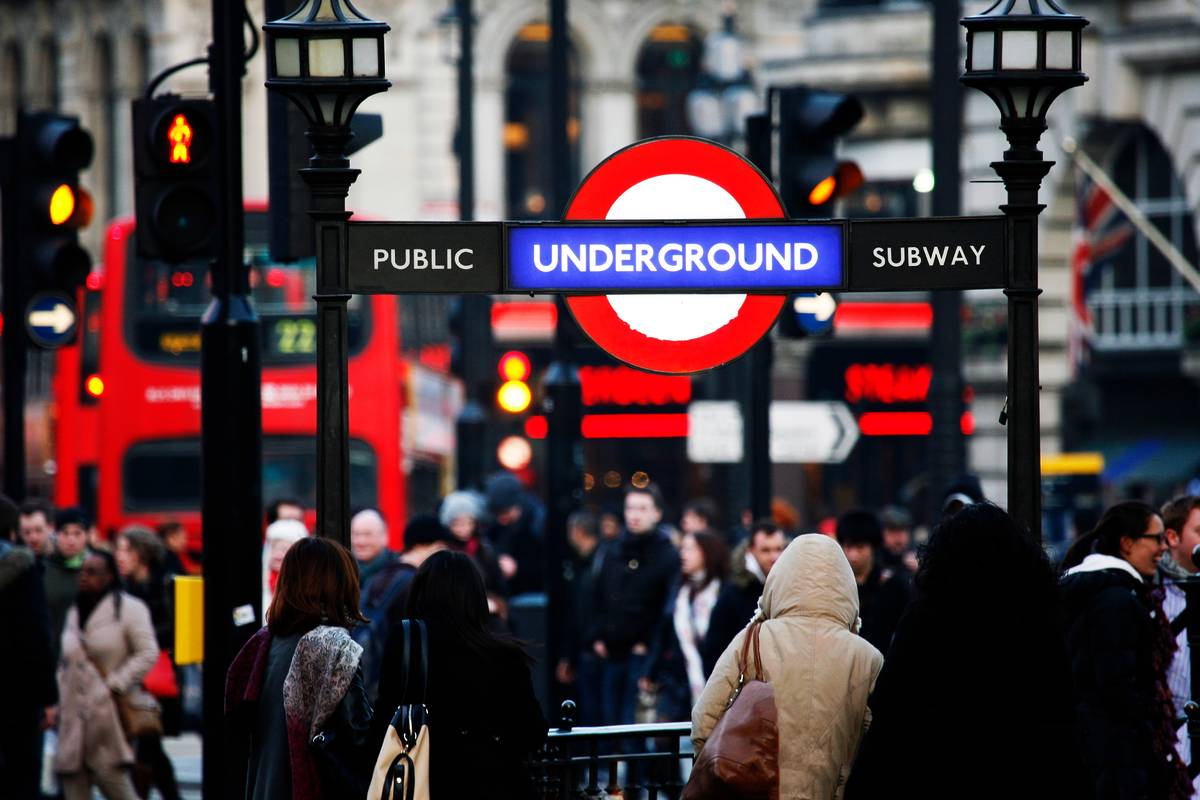
London’s transport system in 2026 is a mix of higher charges, new discounts for cleaner vehicles, major Underground and DLR works, and big changes to key roads like Oxford Street and Lambeth Bridge.
From 2 January 2026, driving in central London gets more expensive, but a new discount structure rewards electric vehicles.
The standard daily congestion charge rises from £15 to £18 if paid in advance or on the day, and to £21 (up from £17.50) if paid within three days.
Residents who qualify for the Congestion Charge Residents’ Discount continue to get 90% off, paying £1.80 per day.
The current 100% Cleaner Vehicle Discount for electric vehicles ends on 25 December 2025, and is replaced by a tiered system from 2 January 2026.
Electric cars on Auto Pay receive a 25% discount (paying £13.50), while electric vans, HGVs and quadricycles on Auto Pay get 50% off (paying £9).
A new 100% discount applies to electric car club vehicles picked up and returned to the same bay within the congestion zone.
From 4 March 2030, these Cleaner Vehicle Discounts are due to be reduced further to 12.5% for electric cars and 25% for electric vans, HGVs and quadricycles on Auto Pay.
London Underground and DLR upgrades
TfL is using 2026 to roll out new trains and carry out essential maintenance, which means both improvements and weekend or late-night closures.
Piccadilly line  Credit: TfL
The 1970s trains are being replaced, with the first of 94 new trains planned to enter service between July and December 2026. The upgrade will allow up to three more trains per hour in the peak, increasing capacity.
Supporting works include power upgrades, platform edge adjustments, track realignments and new CCTV. A programme of weekend closures is planned to deliver this work, with significant disruption expected in January, March and April.
Northern line 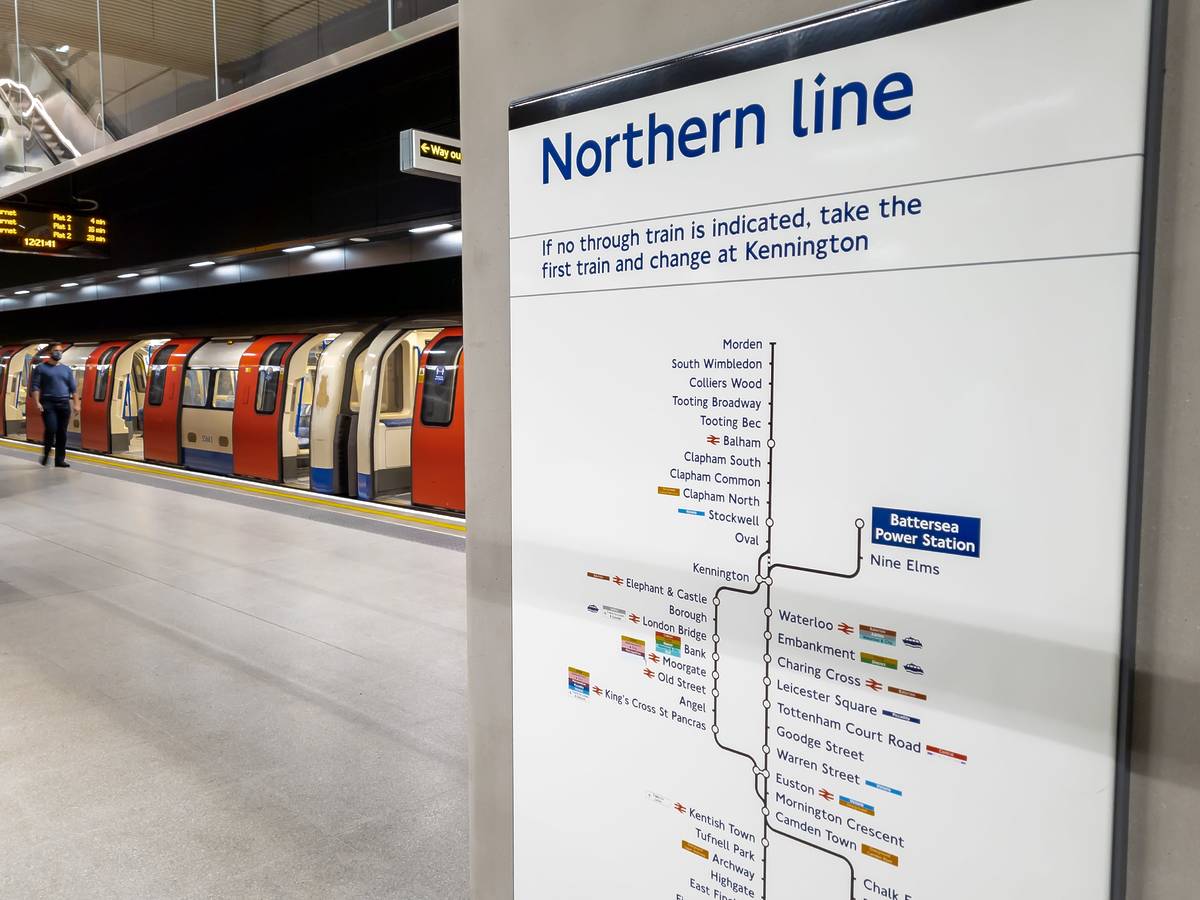 Image: Yau Ming Low, Shutterstock
From 12 January until late spring, there will be no service between Camden Town and Kennington via Bank after 22:00, Monday to Thursday.
These late-night closures are part of ongoing improvement works on the line’s infrastructure.
Docklands Light Railway (DLR) 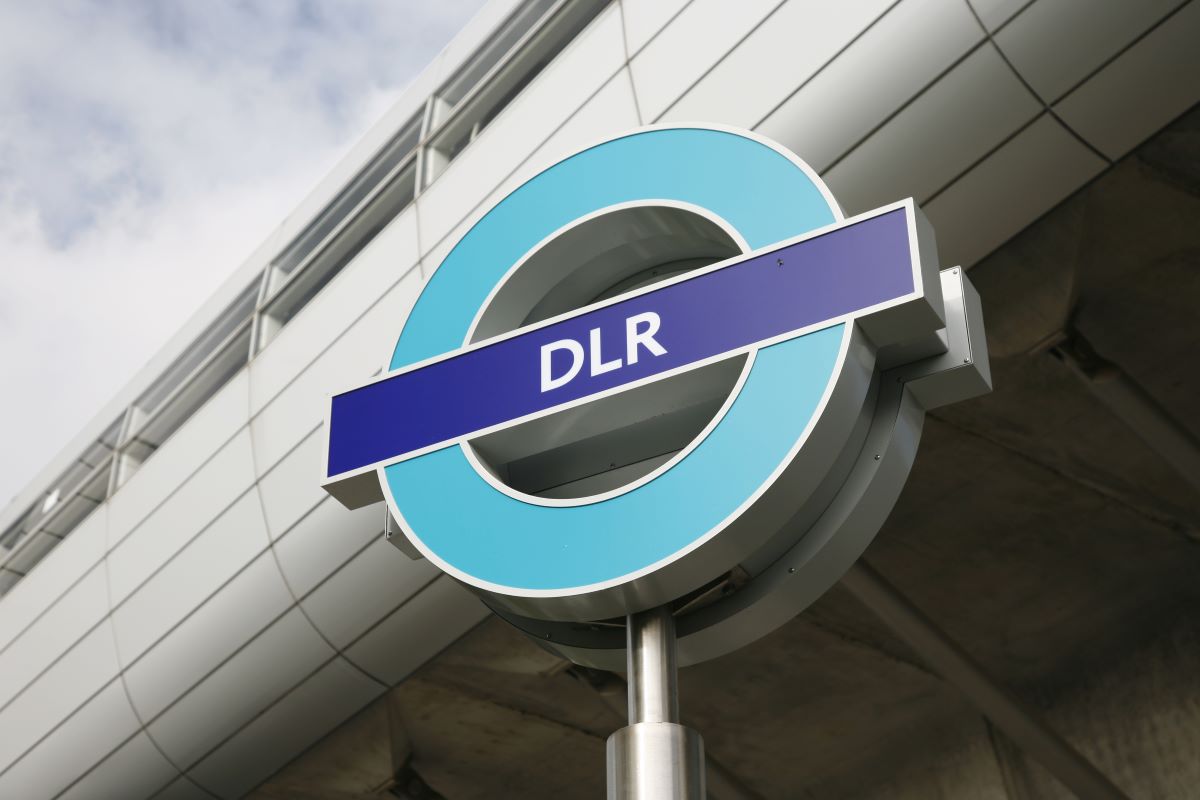 Credit: Sampajano_Anizza, Shutterstock
Cutty Sark station is closed until the spring while all four escalators are replaced, with passengers advised to use Greenwich station or local buses instead. Additional weekend closures are planned on parts of the DLR to support wider upgrade works, and passengers are encouraged to check journey planners and apps before travelling.
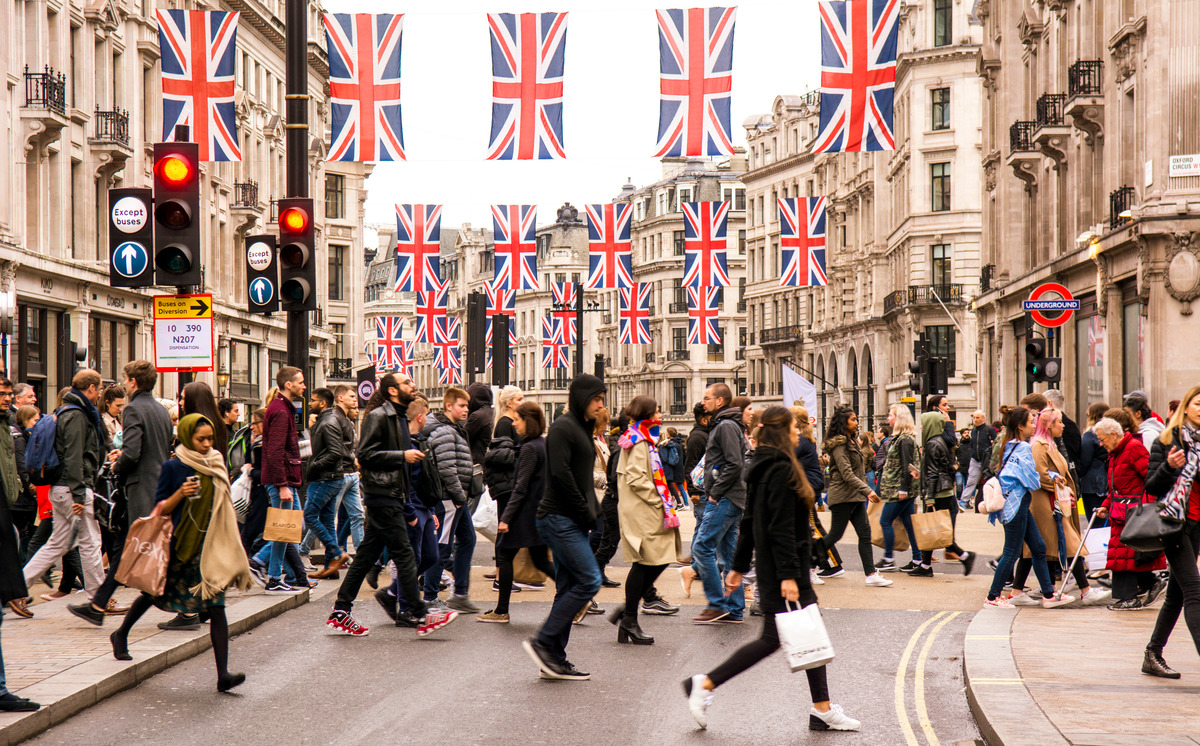 Photo: William Barton via Shutterstock
Central London’s busiest shopping street is at the heart of one of the biggest urban design changes proposed for 2026.
TfL took over responsibility for Oxford Street from Westminster City Council in September 2025, after research showed it was underperforming on customer spending compared with nearby areas.
The Mayor of London and TfL are developing plans to potentially pedestrianise Oxford Street between Orchard Street and Great Portland Street. The proposal is tied to creating a new Mayoral Development Corporation (MDC), which would take on planning and development control for the area; this has government and London Assembly backing, with legislation targeted for 1 January.
A public consultation on the transport and highways plans runs until 16 January, and, subject to its outcome, construction work on the scheme could begin in the second half of 2026.
Bridges, roads and cycling schemes
Beyond the Tube and central zone charging, 2026 also continues a series of big road and cycling projects aimed at safety and active travel.
Lambeth Bridge
Work is under way to replace roundabouts at both ends of the bridge with traffic-light-controlled junctions. Structural repairs and improvements to pedestrian and cycle facilities are being delivered at the same time.
Narrow lanes and occasional night-time closures are expected to continue until June, with the entire project scheduled for completion by summer 2026.
A23 Streatham Hill
An ongoing improvement scheme continues through 2026, with completion planned for spring 2027.
The works include protected cycle lanes and dedicated bus lanes in both directions, with lane restrictions in place while construction is under way.