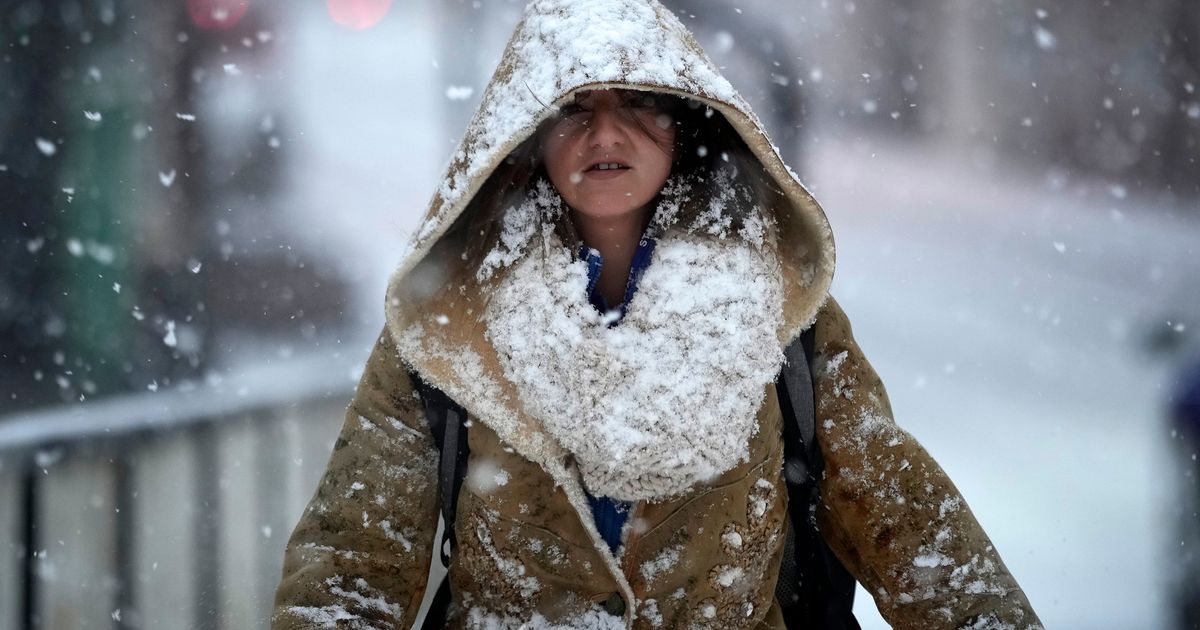
‘Climate change isn’t just an environmental issue — it’s a health emergency’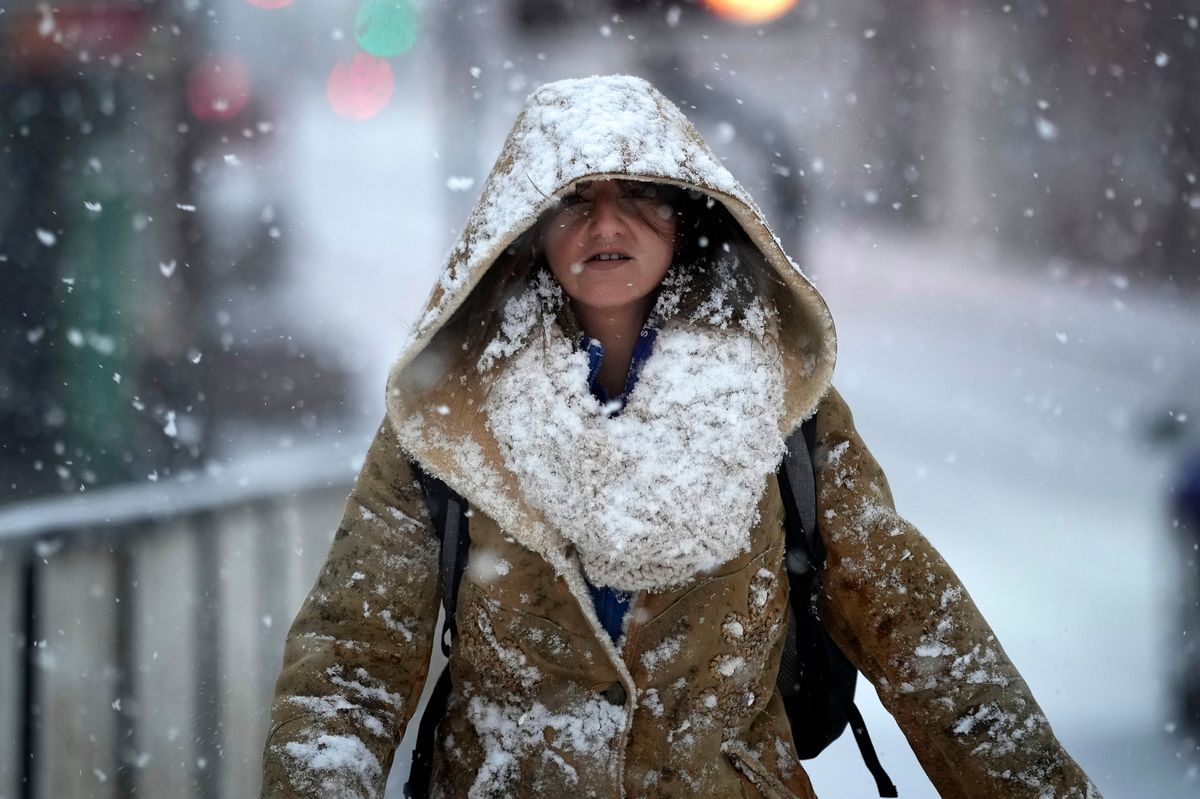 Cancer patients are among the most vulnerable and face growing risks as extreme weather events such as heatwaves, storms, and floods(Image: Getty Images)
Manchester scientists have discovered that increasing extreme weather puts people with life-threatening cancer at ‘growing risk’. Cancer patients are among the most vulnerable and face growing risks as extreme weather events such as heatwaves, storms, and floods become more frequent and severe.
These disruptions can make it harder for patients to travel to hospital, delay vital treatment, and worsen existing health conditions. The findings come after researchers at the specialist cancer centre, The Christie Hospital in Manchester, have been exploring the impact of heatwaves, storms, and floods on radiotherapy treatment and patients’ results.
Dr Robert Chuter, Principal Clinical Scientist and Honorary Senior Lecturer from Manchester, says: “Climate change isn’t just an environmental issue — it’s a health emergency. Cancer patients rely on timely treatment, and even short delays can have serious consequences. Our research will provide the evidence needed to safeguard cancer patients from the escalating impacts of the climate crisis and ensure they receive the best possible care.”
Radiotherapy in particular, a cornerstone of cancer care, is typically delivered daily in hospital settings. This makes patients particularly susceptible to interruptions during extreme weather. Missing or delaying treatment could lead to increased hospital admissions and poorer outcomes, say the researchers.
 Dr Robert Chuter, Principal Clinical Scientist and Honorary Senior Lecturer from Manchester(Image: The Christie)
The groundbreaking new study aims to uncover whether extreme weather events directly affect cancer patients’ ability to attend radiotherapy appointments and complete their treatment. Using 10 years of Met Office weather data, researchers will match this information with treatment dates for patients receiving radiotherapy alone or in combination with chemotherapy.
The study will compare patterns during extreme weather against normal conditions, examining missed treatments, changes to planned care, hospital stays, and mortality rates. Funded by The Christie Charity, this is the first study to explore the direct effects of climate-driven weather events on cancer treatment.
Findings will help NHS services and support the NHS Green Plans by informing strategies to protect patients during extreme weather. The evidence may also highlight the need for climate adaptation measures such as infrastructure improvements and service delivery changes to minimise future disruption.
The charity has pledged to support and fund this goal with £30m over the next five years to accelerate research and innovation in Manchester, with the ultimate aim of bringing tomorrow’s treatments to patients faster. To support the work of The Christie Charity, go to Donate today (christie.nhs.uk) or ring 0161 446 3988.