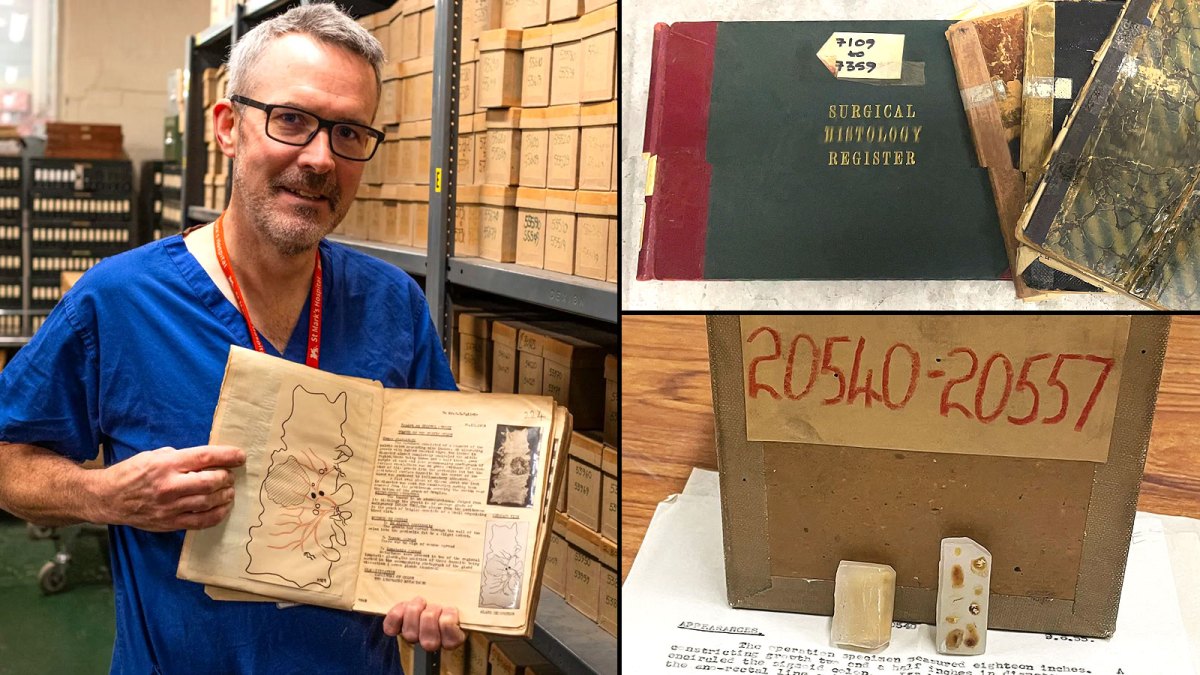
Tens of thousands of tumour samples that have been stored in the basement of a London hospital for more than 70 years could be the key to unlocking the mystery of why bowel cancer cases are rising in the under-50s, scientists believe.
Researchers at the Institute of Cancer Research, London, and St Mark’s Hospital are launching a pioneering study that compares bowel cancer specimens from the 1950s with modern examples.
Using cutting-edge lab techniques, they hope to uncover how changes in diet, lifestyle and environmental exposures — collectively known as the exposome — may be driving rising rates of early-onset bowel cancer.
The team, co-led by Professor Trevor Graham from the institute, is particularly interested in the role of the gut microbiome, the bacteria that live in our bowels.
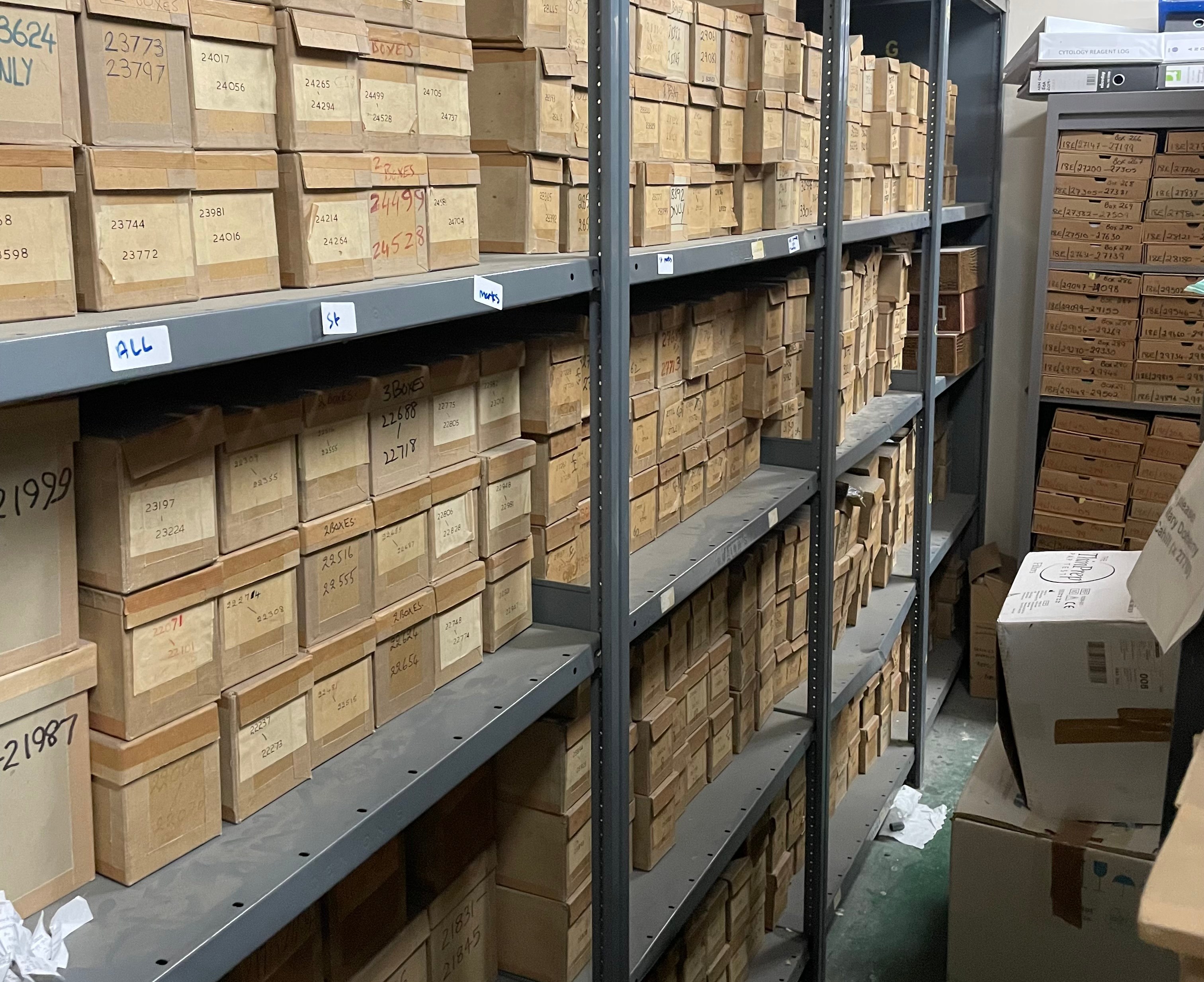
St Mark’s Hospital is home to one of Britain’s oldest archives of bowel cancer samples
THE INSTITUTE OF CANCER RESEARCH, LONDON
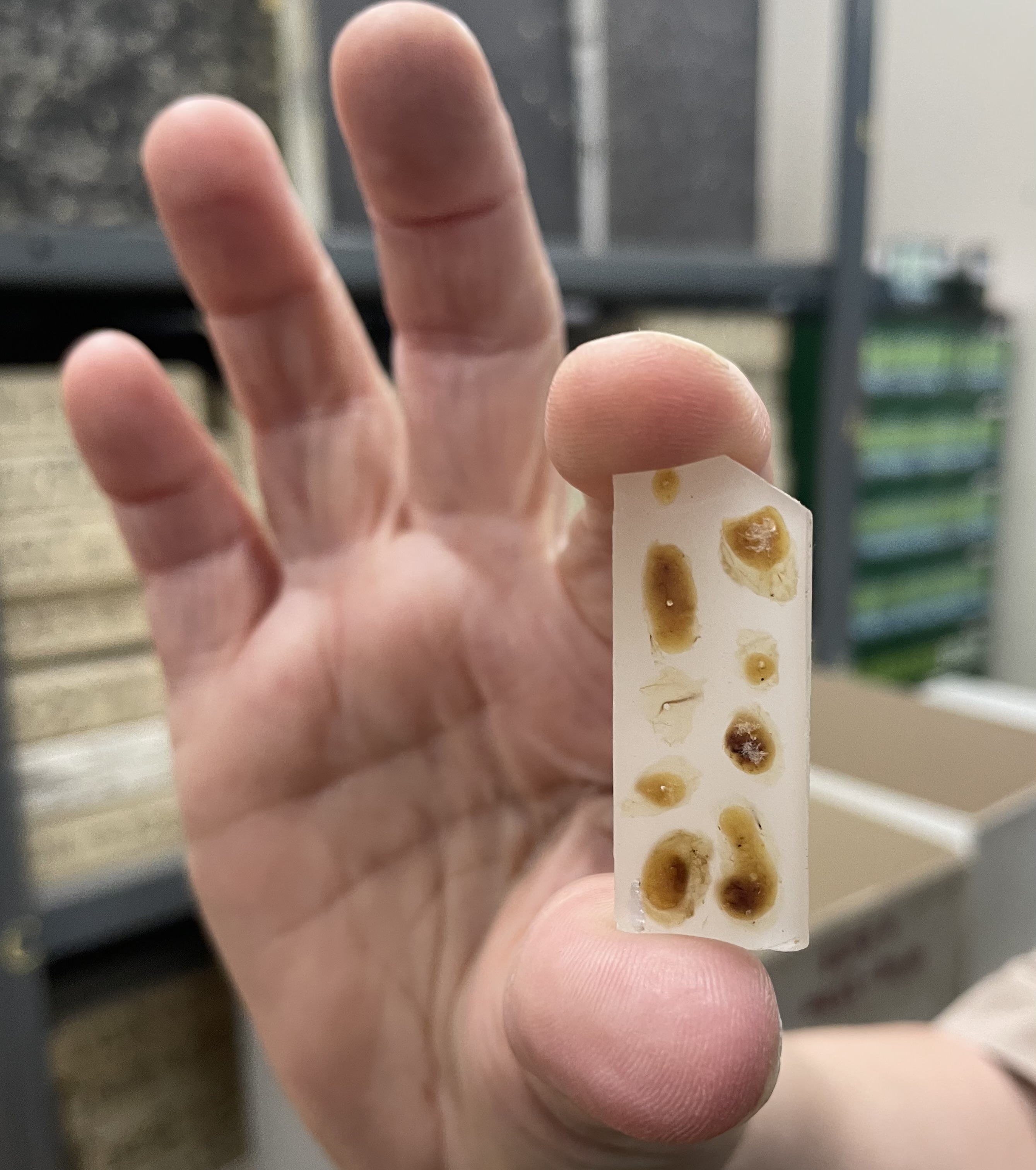
Samples are stored in wax to preserve them
THE INSTITUTE OF CANCER RESEARCH, LONDON
Bowel cancer is the fourth most common cancer in the UK and the second leading cause of cancer deaths. While screening programmes have helped to reduce cases in older adults, diagnoses among younger people have risen and are expected to double between 2010 and 2030.
Dame Deborah James, who died in 2022 at the age of 40, helped to transform public awareness of the disease by speaking candidly about her illness and urging people to recognise symptoms early and seek help without delay.
Studies suggest that early-onset cancers tend to be diagnosed at a later stage. They also seem to behave more aggressively than bowel cancer in older people.
• Single ten-minute workout could halt progression of bowel cancer
Graham said: “People in the 1950s lived differently to people today. We believe that the exposome — the changes in diet, lifestyle and environmental factors we are exposed to — is contributing to the increase in cases and deaths from bowel cancers in younger adults.
“By performing detailed molecular analysis of bowel cancers from the 1950s and comparing the results to bowel cancers from today, we hope to identify exactly what is driving the increase. This could lead to new strategies for bowel cancer prevention and treatment.”
Research has so far been unable to determine why bowel cancer is becoming more common in younger people. Several theories have been proposed, including changes in diet and lifestyle, exposure to environmental pollutants such as microplastics, and changes to the micro-organisms living in the bowel.
The new study, called the “Boomers Project”, will use preserved pathology specimens from St Mark’s Hospital, home to one of Britain’s oldest archives of bowel cancer samples. Early tests have shown that even after decades in storage, the samples are suitable for analysis.
• The 90-second test promising to spare millions from colonoscopy
Different environmental exposures, such as smoking or diet, shape the DNA inside cancer cells in unique ways. The researchers plan to use genome sequencing techniques, including novel approaches developed at the Institute of Cancer Research, to map how the DNA is altered in the cancer specimens from the 1950s compared with cases from the present day.
Professor Kevin Monahan of the St Mark’s Centre for Familial Intestinal Cancer, who is also co-leading the project, said: “Many younger patients show no obvious signs of poor health yet are being diagnosed with aggressive forms of bowel cancer. We believe that our unique resource of historical tumour samples at St Mark’s Hospital will open a window to new approaches to prevention.”
He added: “A healthy diet and regular exercise, as well as speaking to your GP if you have new bowel symptoms such as bleeding from the back passage, or a change in how often you open your bowels, remain some of the most important ways of reducing the risk of bowel cancer.”
‘It felt really unfair to be diagnosed so young — I lost my innocence’
Holly Masters was diagnosed with stage three rectal cancer more than four years ago, when she was 23.
The actress and access support worker from East Anglia was successfully treated with chemo-radiation, combined chemotherapy and major surgery.
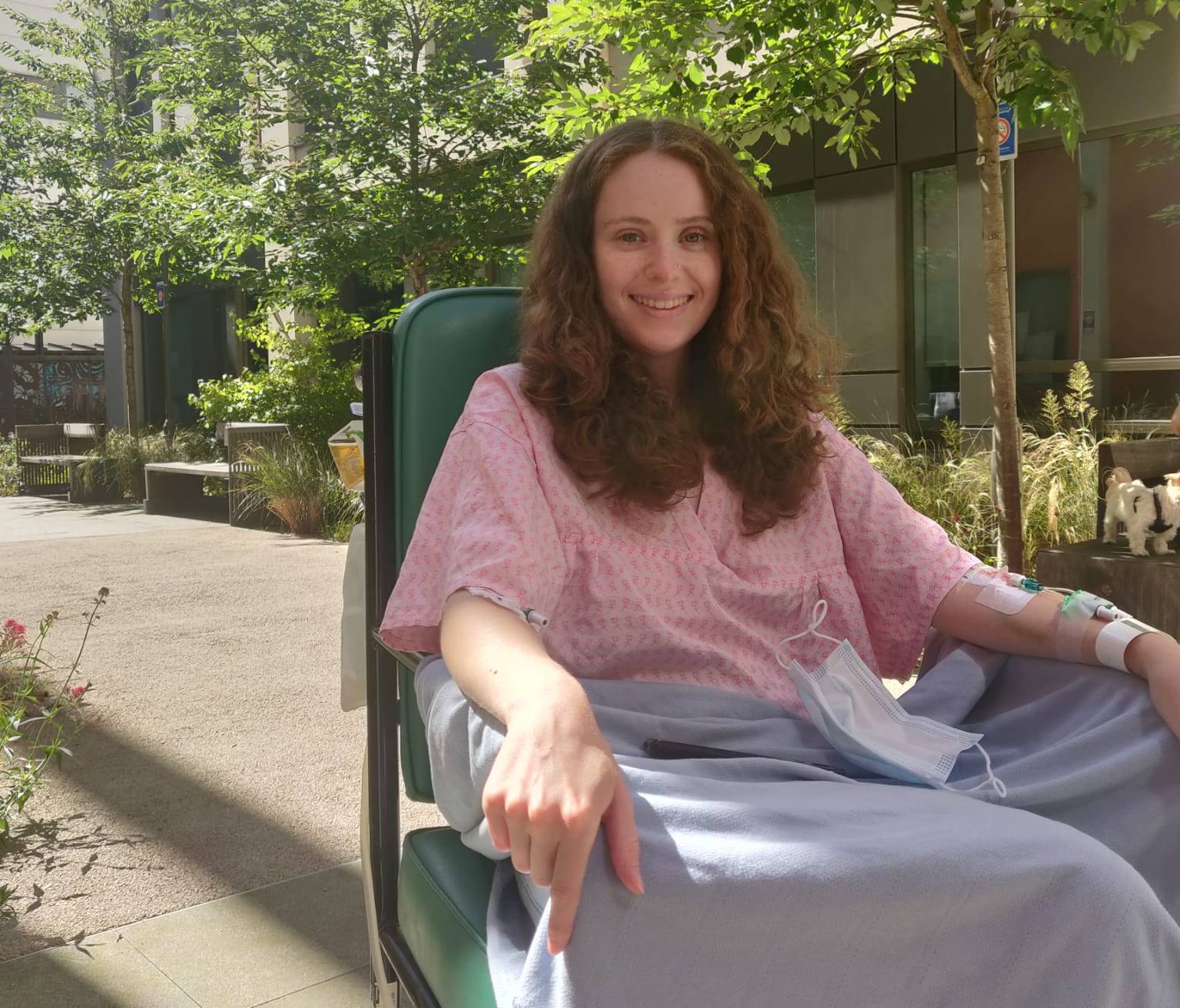
Holly Masters
THE INSTITUTE OF CANCER RESEARCH
Masters said: “I’d known that something wasn’t right a year before my diagnosis. I had all the symptoms of bowel cancer. But the doctors told me I had IBS and I was eventually diagnosed through emergency admission at A&E. I went through a range of emotions when I was told I had cancer. Up until that moment it hadn’t even crossed my mind.
“It did feel really unfair to be diagnosed at such a young age. I lost all my innocence and realised how harsh life can be. I now have a stoma, which did take some getting used to, and it took me a long time to accept the most difficult consequence — the fear that the cancer will come back. I have to live with the mental and physical effects of my diagnosis for the rest of my life.
“We need to protect younger people and find out why more of us are being diagnosed with cancer.”