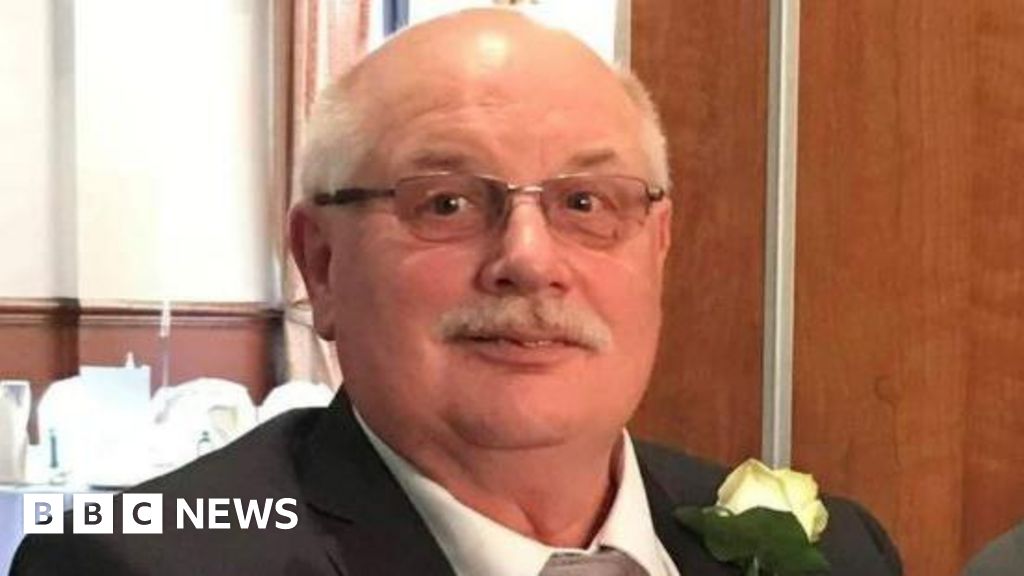
An inquest into the death of a pensioner killed by a woman after she absconded from a mental health unit heard there was “a real risk the same thing could happen again” as the coroner criticised police for not addressing a key issue raised during the hearing.
Emma Borowy, 32, fatally stabbed Roger Leadbeater, 74, as he walked his dog in a park in Sheffield on 9 August 2023.
The inquest had previously heard Borowy had absconded on at least eight occasions but the details were not properly shared by police.
On Wednesday, senior coroner Tanyka Rawden criticised Greater Manchester Police and South Yorkshire Police after learning neither had updated their handover processes since the killing.
Rawden began the inquest into Leadbeater’s death in 2024, but adjourned proceedings in order to obtain a report from an expert psychiatrist.
During the previous hearings she was told Borowy, who had been diagnosed with schizophrenia and psychosis, was sectioned in October 2022 and admitted to the Royal Bolton Hospital after she was arrested for killing two goats with a knife.
Five days before she killed Leadbeater, Borowy, from Bolton, absconded after failing to return from a period of leave. She was later found by police in Sheffield, where it was thought she had travelled to see a friend.
South Yorkshire Police created a vulnerable adult form after their officers located her in which they described her as “delusional, suicidal and talking about hurting people”.
However, the doctor who granted her more leave three days later, on 7 August, said there was no record of the report being shared with the hospital.
Resuming the proceedings, Rawden said “key information was missed in the handover process” before hearing from a number of organisations about what measures had been implemented following Leadbeater’s death, and in light of the evidence heard more than a year ago.
Giving evidence, Ch Supt Daniel O’Neill, from Greater Manchester Police, said he had drafted a new form to be filled out by officers handing over vulnerable detainees, but it had yet to be introduced.
In response, Rawden said: “I have to tell you how disappointed I am that 13 months later we have a form that probably isn’t quite ready to be released.
“Meanwhile, we have vulnerable people who are being transported around by police officers and potentially there is a real risk that the same thing could happen again.
“We are completely reliant on individual police officers. That really concerns me.”
Rawden said she was “not satisfied enough steps have been taken” and told O’Neill she would likely produce a Prevention of Future Deaths report for the force.
He admitted the failure to improve the handover process was “organisationally embarrassing”.
Representing South Yorkshire Police, Det Ch Insp Benjamin Wood admitted there had been no further communication between the forces on how they could improve their handover process despite the tragedy.
He admitted a handover form he had drafted was also still not yet in use, with Rawden labelling the force’s current handover process “ad-hoc”.
“It needs to be clear,” she said.
Meanwhile, a doctor asked to independently review the decision to grant Borowy leave told the hearing it was “difficult to justify the manner and circumstances of the decision making”.
Dr Dilraj Sohi, a consultant psychiatrist, made the decision to grant Borowy after a 30-minute meeting in which a total of 40 patients were discussed – a decision which went against Bolton NHS Foundation Trust policy.
Dr Sohi, who defended his decision at the inquest, had also never met Borowy.
Giving evidence Dr Amlan Basu, who reviewed the decision, said had the hospital been aware of “risk events” – including a report from Borowy’s ex-partner that she had tried to kill him – it would have “very likely made a significant difference to the decision to grant leave”.
The coroner adjourned the inquest until 22 January when she will deliver her conclusion.