(Credits: Far Out / Dana Wullenwaber)
Wed 7 January 2026 18:15, UK
There’s never going to be any other rock band that explored the kind of territory that Led Zeppelin could in only a few years.
Their active years only spanned a little more than a decade, and yet every one of their albums has a masterpiece that would have been enough for any other artists to build their career upon. A lot of that came down to the camaraderie between everyone, but even with Jimmy Page steering the ship in the studio, he wasn’t safe from getting the occasional cold feet whenever he started mixing one of their tunes.
But, really, there was nothing that Page needed to worry about by the time they got over an album like Physical Graffiti. Every record up to that point had been building up to that mammoth musical experience, and while not every song may have been a stone-cold classic or anything, there’s hardly a note on the record that didn’t earn its place in their discography. They were at the peak of their powers, but riding that high can also become a burden if you’re not paying enough attention.
Because even if they had all the money, fame and musical chops they could ask for, where the hell do you go from there? Sure, ‘Kashmir’ managed to do the impossible by being a song on par with the likes of ‘Stairway to Heaven’, but when you’ve reached that high a pinnacle, it makes no sense for anyone to try and eclipse that. But that doesn’t mean that Presence was necessarily a poor record by comparison.
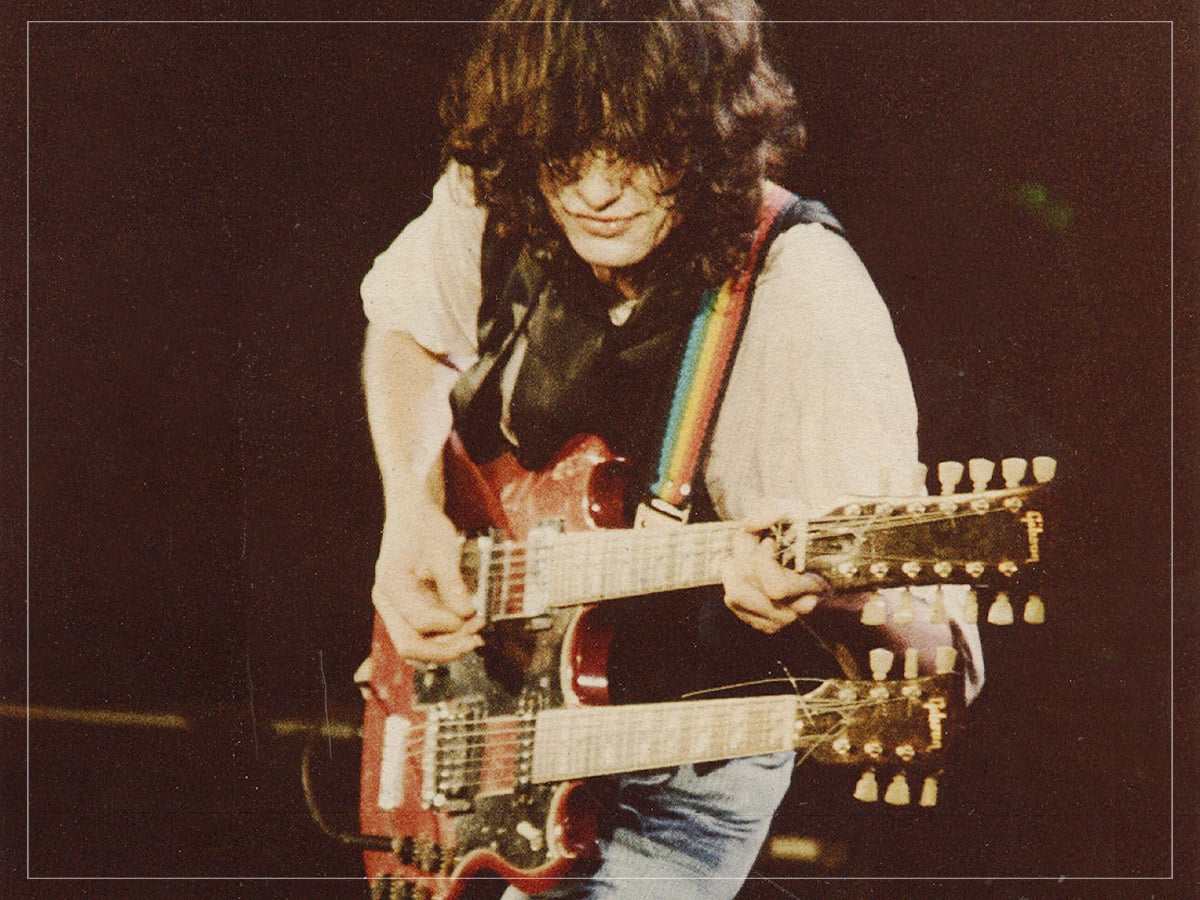
If anything, it’s one of the more interesting albums in the band’s discography from a guitar-playing perspective. Page threw everything he could into becoming a fretboard wizard whenever he played these tunes, and while ‘Achilles Last Stand’ did have the same size and scope that everyone had expected after Graffiti, ‘Tea for One’ brought them back to the one thing they did best: play the blues.
While this style of blues had a bit more weight to it, it wasn’t like Page was going to go back to the bare basics. He had seen that the playing field had been expanded with other blues legends ever since he formed Zeppelin, and when he tried to go for a solo on the tune, he needed to make sure that he hadn’t lost any of his shine in the years that followed.
He was still a great player, but when looking at the competition, Page couldn’t help but feel a little bit shaky when he first started playing the solo, saying, “We did two takes in the end, one with a guitar solo and one without. I ended up sitting there thinking, ‘I’ve got this guitar solo to do,’ because there have been blues guitar solos since Eric on Five Live Yardbirds and everyone’s done a good one. I was really a bit frightened of it. I thought, ‘What’s to be done?’”
The guitar solo might not be the kind of face-melting solo that every rock and roll purist may have wanted, but that’s not what Page was after. He had grown as a guitarist in those years in arenas, and when listening to him perform this solo, it’s like he was trying to build a sense of atmosphere before he went for anything too flashy, which is probably closer to what people like Jeff Beck had been doing ever since he left The Yardbirds.
It’s not going to receive the kind of accolades that ‘Stairway to Heaven’ or ‘Whole Lotta Love’ get or anything, but anyone who has been playing guitar for a while can admire the taste that Page put into this tune. It wasn’t about trying to be the flashiest guitar player, but if he played what was right for the song, that was all that mattered.
Related Topics
The Far Out Led Zeppelin Newsletter
All the latest stories about Led Zeppelin from the independent voice of culture.
Straight to your inbox.