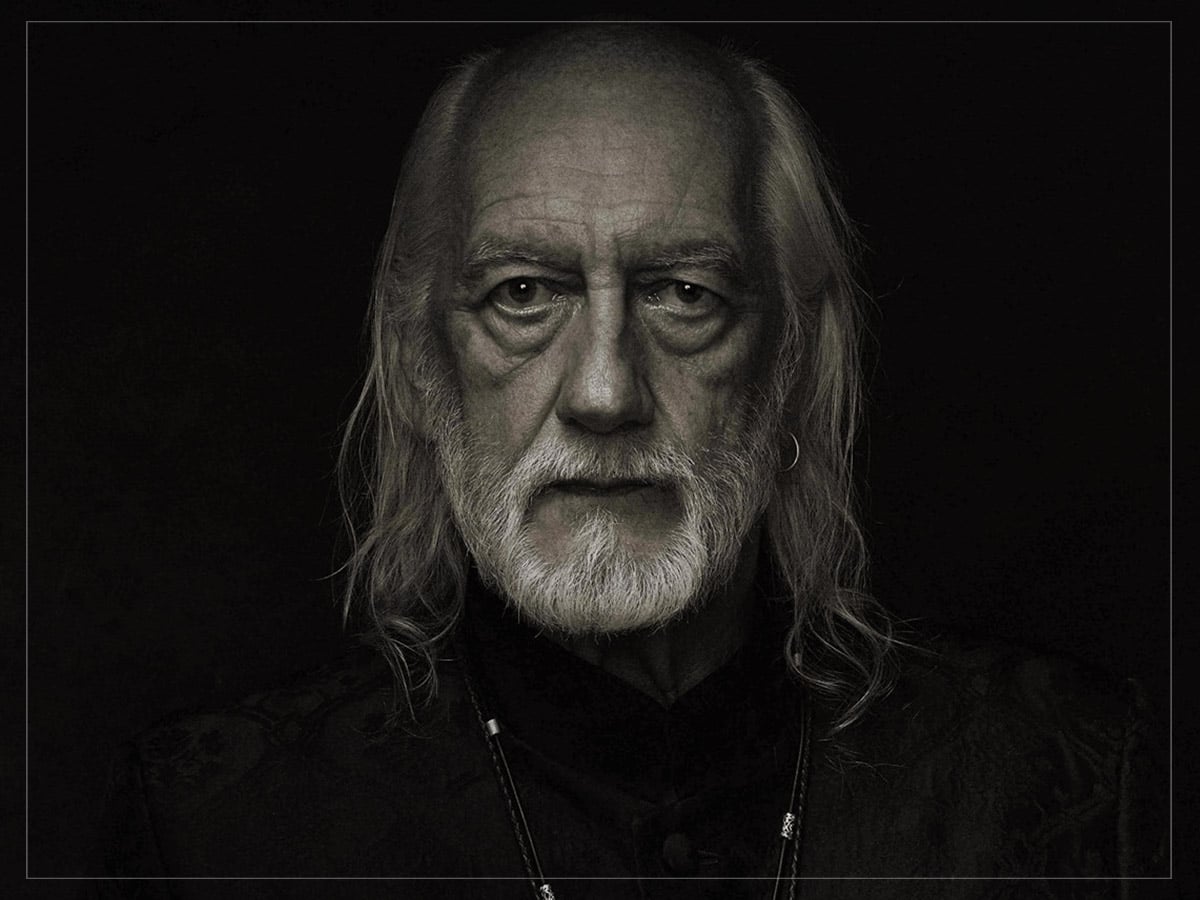
(Credits: Far Out / Mick Fleetwood)
Wed 7 January 2026 18:00, UK
Every few years, there seems to be another resurgence in interest in Fleetwood Mac, with random TikTok videos and Stranger Things needle-drops spurring much of the recent influx of younger fans.
With every new wave of Mac appreciation, though, comes the inevitable pushback from the niche community dedicated to reminding the world that this internationally beloved band was actually way better before its most famous members, Stevie Nicks and Lindsey Buckingham, joined the line-up.
These stubborn anti-populists look for any chance to announce, in response to no one, that the only Fleetwood Mac worth listening to is Peter Green’s Fleetwood Mac, the real Fleetwood Mac. It’s an obnoxious take that’s become a bit of a boring contrarian cliché unto itself, but that doesn’t necessarily mean that we should completely ignore the original core sentiment from which it came.
After all, despite founding one of the most successful rock bands of all time, Peter Green remains one of the great overlooked musicians of his generation; a man still held in the highest regard by the people who knew him and played alongside him.
“Peter certainly knew what he wanted,” Mick Fleetwood told The Times in 2021, “But that didn’t transfer into his ego, which is why he named the band after John McVie and myself. He was funny, he was strong, he loved life. And emotionally, he had a lot to say in his music after having had a shitty childhood of being bullied and so on.”
 Fleetwood Mac member Peter Green, 1960s. (Credits: Far Out / Alamy)
Green was the guitarist in Fleetwood Mac for only three years, from 1967 to 1970, long before the band broke out into mainstream superstardom. Much like Syd Barrett’s departure from Pink Floyd, his exit was caused by a combination of drug use and mental health struggles, and while his bandmates regrouped and achieved great things without him, Green’s absence was nonetheless always felt, leaving countless “what if?” scenarios along the way.
“God knows I wish I had a degree in psychology at the time,” Fleetwood said when thinking back to Green’s sudden turn in 1970, when he started using LSD and became increasingly unstable. “But the truth is we didn’t see that someone was coming completely unglued emotionally. What we saw was someone who was on a mission, who had a gift from heaven in his playing ability and in the unique expression in his songwriting. All I know is that I lost a dear, dear friend and I lost the inspiration of someone who had an enormous effect on me.”
Peter Green kept a relatively low profile after leaving Fleetwood Mac, as a diagnosis of schizophrenia made it increasingly difficult to continue his career. He did pop up here and there, however, even joining Fleetwood Mac’s Tusk sessions for a brief moment in 1979. He put out several solo albums in the 1980s and formed the Peter Green Splinter Group in the late 1990s, but his legacy was still largely overlooked until 2020, when a special tribute concert was held at the London Palladium just weeks before lockdown, titled “Mick Fleetwood and Friends Tribute to Peter Green.”
As proof that Green wasn’t merely beloved by a small army of crotchety hipsters, the tribute concert—which Green was unable to attend – included appearances by everyone from Pete Townshend and David Gilmour to Kirk Hammett, Neil Finn, Steven Tyler, and Noel Gallagher.
It was a fitting and timely farewell, as Green would be dead just six months later at the age of 73.
“What I learned from Peter Green is that less is more,” Mick Fleetwood said shortly after his friend’s death. “In other words, you don’t tread on someone else’s shit. You listen and give them space. And if you look at the history of Fleetwood Mac, it is evident that the model Peter left is the one we’ve adhered to.”
Related Topics