The pensioner was tabbed to death by the woman as he walked his dog in a park
16:33, 07 Jan 2026Updated 16:35, 07 Jan 2026
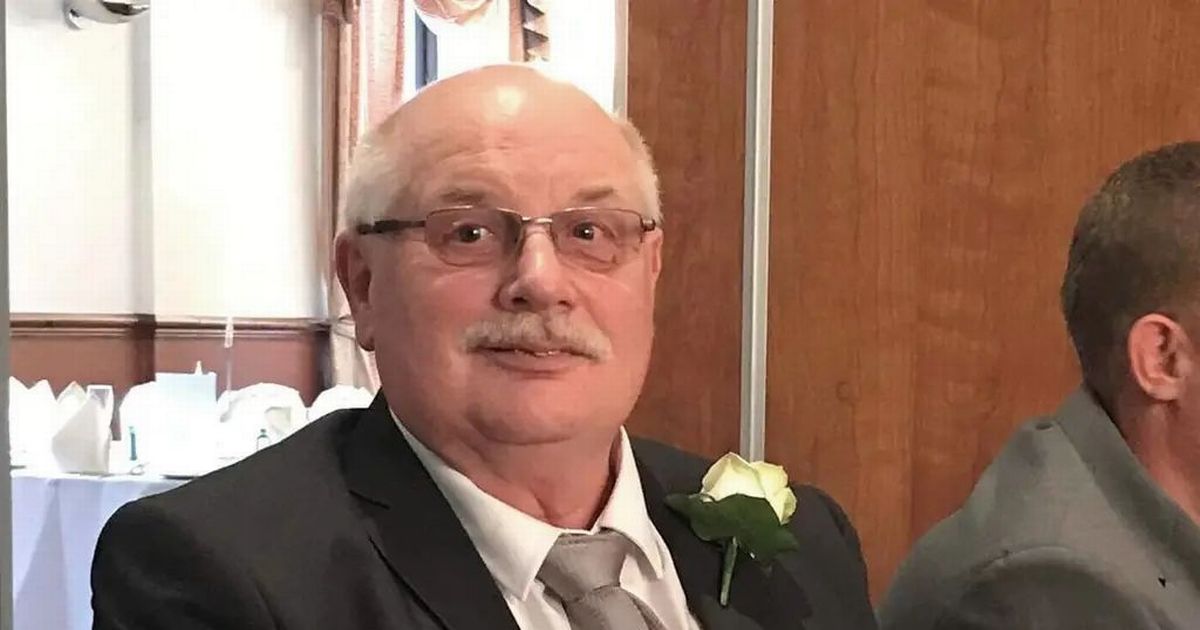
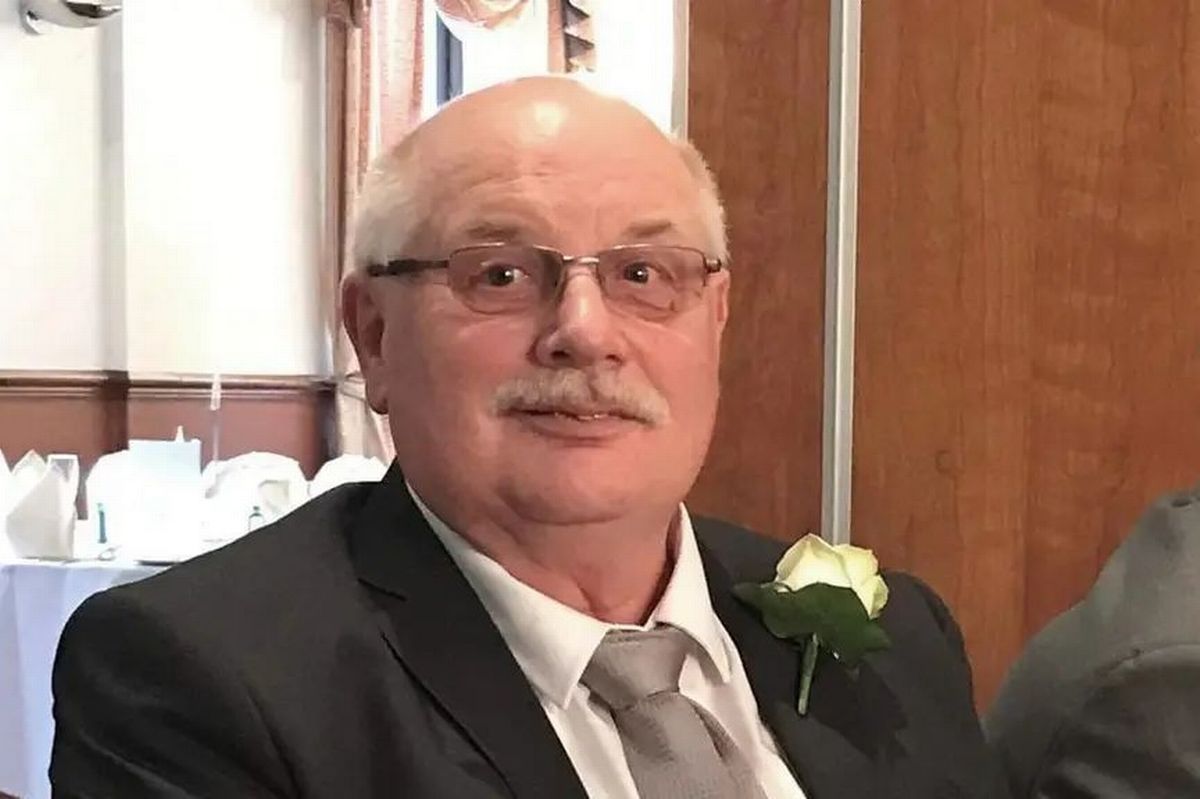 Roger Leadbeater was fatally stabbed while walking his dog(Image: South Yorkshire Police/PA)
A coroner said she is ‘disappointed’ in the ‘unacceptable’ work of Greater Manchester Police (GMP) carried out after a pensioner was killed by a woman who went missing from an acute mental health unit. A Greater Manchester Police officer agreed that the slow progress to prevent such a tragedy from happening again, more than a year after the death, is ’embarrassing’.
The coroner examining the death said “potentially, this is something that could happen again”, as she criticised GMP, one of the country’s biggest police forces.
Sheffield coroner Tanyka Rawden told a senior officer from Greater Manchester Police (GMP) on Wednesday “how disappointed I am” that proposed handover forms for officers dealing with missing and vulnerable people have not been implemented two-and-a-half years after the death of Roger Leadbeater.
Chief Superintendent Daniel O’Neill was giving evidence at the resumed inquest into the death of Mr Leadbeater, who was stabbed multiple times by Emma Borowy as he walked his dog Max in a Sheffield park in August 2023.
Ms Borowy, 32, had absconded from a ward at Royal Bolton Hospital, where she was held under the Mental Health Act, on numerous occasions before she stabbed Mr Leadbeater, the inquest heard.
She died in prison four months after the attack.
Mrs Rawden began the inquest at the end of 2024, when she heard days of evidence, but she adjourned it to obtain a report from an expert psychiatrist. She resumed the hearings on Wednesday at Sheffield Coroners’ Court, when she heard from a number of organisations about what measures they have implemented following the tragedy, and in light of the evidence heard more than a year ago.
Mr O’Neill outlined how, immediately after he appeared at the inquest in 2024, he began to develop a form to standardise information-sharing during all police handovers of vulnerable people to hospitals, different forces, and other organisations. But he explained how this draft form had been seen as such good practice that it was escalated to various groups within GMP and then taken up at a national level, which has delayed its implementation.
Mrs Rawden asked the officer if that meant the situation on the ground had not changed since Mr Leadbeater’s death and the handover process was still left to individual officers to interpret.
Mr O’Neill replied: “Yes.”
The coroner said: “I have to tell you how disappointed I am that, 13 months later, we have a form that, actually, isn’t quite ready and we have vulnerable people transported around by police officers and, potentially, this is something that could happen again, as we are completely reliant on individual officers.”
Mrs Rawden added: “That really concerns me.” She said: “As an organisation, it isn’t acceptable.”
And she continued: “I’m just not satisfied enough action has been taken.”
But she told Mr O’Neill she accepted he had done his best to implement the new system, asking: “Perhaps the people who are making these decisions should be sitting in front of me and not you?”
The officer told the court: “It’s disappointing and organisationally embarrassing.”
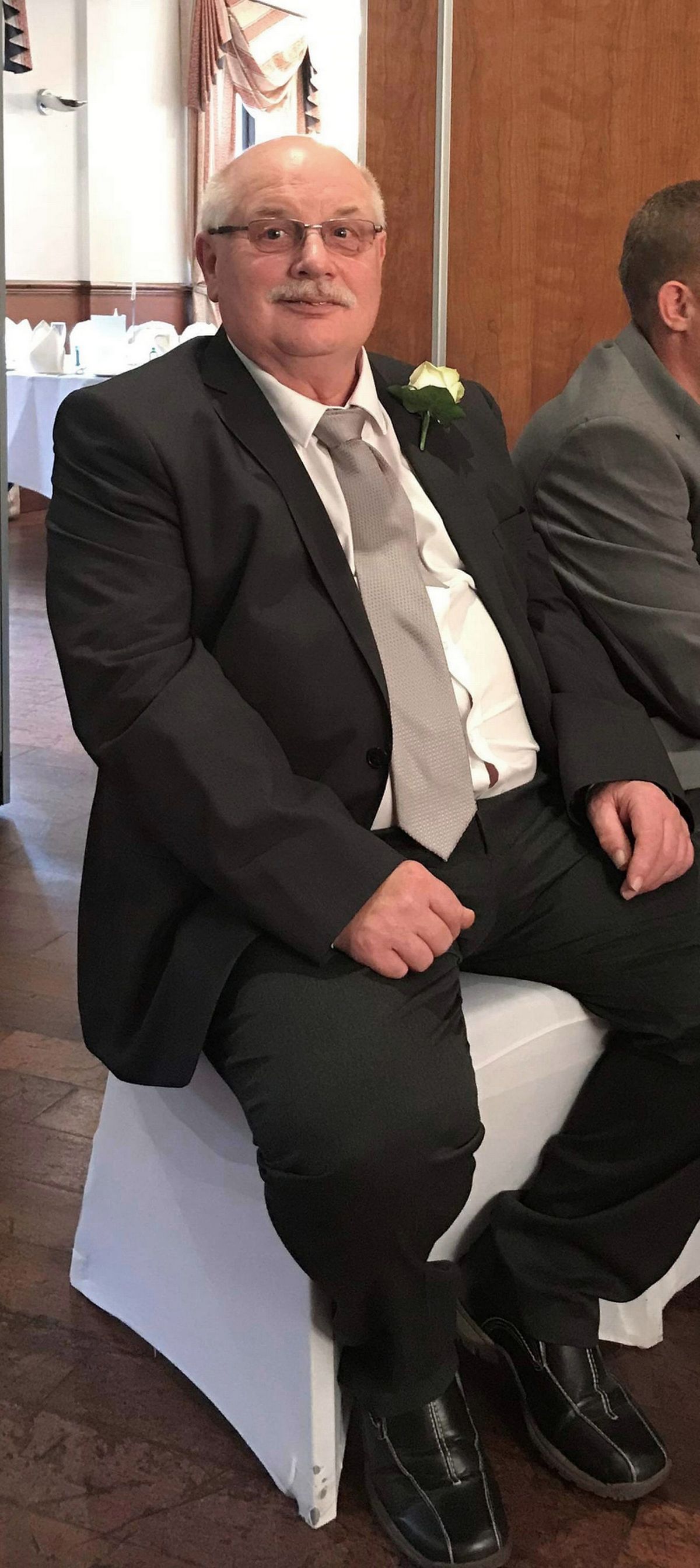 Retired bus driver Roger Leadbeater, who still drove a minibus for children with special needs, suffered a total of 75 sharp-force injuries when he was attacked(Image: PA)
A senior officer from South Yorkshire Police, Detective Chief Inspector Benjamin Wood, described the steps he had taken to develop a similar form for his force. But the coroner asked him whether this also had not yet been implemented.
He said it had not, adding: “I’ve tried to progress this a fast as I can, ma’am.”
David Illingworth, representing Mr Leadbeater’s family, said: “We’re nearly two-and-a-half years after Roger’s death and both forces are still relying on individual officers to complete handovers of missing persons with no guidance in place and no template to assist them.”
Retired bus driver Mr Leadbeater, who still drove a minibus for children with special needs, suffered a total of 75 sharp-force injuries when he was attacked by Ms Borowy. Ms Borowy said after the incident that she had the knife and was looking for someone to kill, explaining that voices had told her to do it.
The inquest hearings in 2024 heard how Ms Borowy was sectioned in October 2022 after she was arrested for killing two goats with a knife. The police were also concerned at the state of her flat in Bolton where they found a “shrine with unicorns”, teddy bears floating in the bath plus a hammer and rope.
The inquest has heard how Ms Borowy first went Awol from the ward on October 21 2022 when she smashed the window of her room. The coroner heard about a series of other incidents of Ms Borowy escaping from the hospital or slipping her escort while on supervised leave.
On two occasions, she had knives when she was found by police. Doctors explained why decisions were repeatedly made to give Ms Borowy various types of leave, despite her going Awol, as medical staff worked towards her discharge.
On Wednesday, the coroner summarised an expert report from forensic psychiatrist Dr Amlan Basu which said it was “difficult to justify the manner and circumstances of the decision-making” around why Ms Borowy was given leave on August 7, 2023, before she went Awol.
Dr Basu said “significant emphasis was placed on her short-term presentation in the absence of a longer-term, evidence-based strategy for community integration.”
The expert also outlined how the NHS appeared to be unaware of some “risk events”, including a report from her partner that he had been bitten and assaulted by Ms Borowy using a brick and a screwdriver a year before Mr Leadbeater’s death.
The coroner adjourned the inquest until January 22 when she will deliver her conclusion.