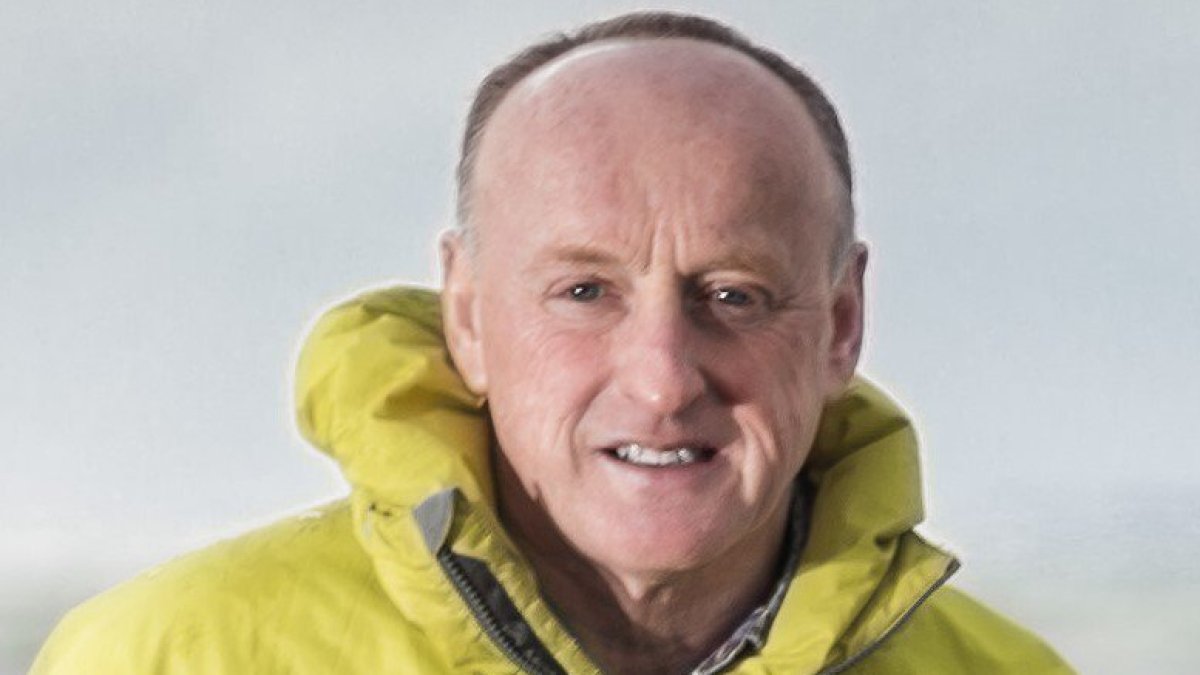
Avoid big puffer jackets, keep feet off the floor, and fasten your coat before you open the door – a physiologist offers his surprising, simple tips
The first cold snap of 2026 is upon us, with hundreds of schools shutting and temperatures reaching lows of -9°C in the UK. How do scientists stay warm through freezing temperatures?
Mike Tipton, professor of human and applied physiology at the University of Portsmouth, explains that cold weather can affect our health most seriously if it causes a drop in body temperature. It can lead to hypothermia, increased risk of falls, and exacerbate heart problems, respiratory problems or risk of blood clots. Protecting against this, particularly for older people who are more vulnerable to the shutdown of blood flow to the extremities as well as more likely to have comorbidities, is crucial. While the cold doesn’t directly cause illness, it can also potentially weaken the immune system.
However, there are less dangerous but still unpleasant impacts from the cold before your body temperature starts to drop.
New FeatureIn ShortQuick Stories. Same trusted journalism.
“We know that your perception of the environment is very negatively impacted if you’re shivering: if two people have the same temperatures, the one that’s shivering will be more uncomfortable,” Tipton says. “The temperature of the hands and feet are also particularly important inputs for your overall perception of cold temperatures.”
The best way to stay warm, therefore, is to know if you are focusing on discomfort or the risk of full-body cooling. Here are his best tips for both – that don’t rely on turning the thermostat up.
Avoid draughts and keep your feet off the floor
When the body gets cold, its first defences are to shut down blood flow to the extremities – the hands and feet – and to shiver. This can happen if the body experiences a change in temperature, such as a draught. So if you’re trying to keep somebody comfortable, aim to maintain the blood flow to their hands and feet – get their feet off the floor, because that’s where the drafts are – and ensure they’re wrapped in warm socks and slippers or under a blanket.
Move around or march on the spot for a couple of minutes every hour
Try to move about occasionally to help maintain blood flow to your extremities. It sounds a bit unimaginative, but if you can exercise periodically for just a few minutes, it’s enough to raise your body temperature enough to maintain comfort. Normally when you’re sitting down you’re producing about 90 watts of heat (equivalent of one light bulb) but when you do even moderate exercise (like marching briskly on the spot) that goes up to half a kilowatt – the equivalent of a one bar fire.
Wear a hat
This is a key item that can sometimes be forgotten, says Tipton. If you’re otherwise well insulated you’re going to lose quite a lot of heat from the head and neck, so wearing a hat or a buff can make a difference.
Heat the person, not the house
You can think of the body in terms of the microclimate (climate next to the skin); the macroclimate (the room you’re in) and the environment (weather etc). It’s much more cost-effective to heat the microclimate – using electric blankets or heated garments is more economic than heating a whole house for example.
Drink plenty of fluid – including tea
It’s really important to eat and particularly drink to maintain your hydration. When the blood moves to your central organs you get cold-induced diuresis, causing you to need to go to the loo. You also lose surprising amounts of fluid through the respiratory passage – when you see condensation coming out when you breathe out that’s the body losing fluid. So one of the big problems with being cold is associated dehydration – and it’s very easy to become dehydrated. If you are susceptible to dehydration because you already have cardiovascular issues, that can cause a problem
It’s a myth to think that if you have a cup of tea you increase your body temperature. It’s such a small volume or 41/42°C water into a 37°C body and won’t make any local difference. It may make you feel more comfortable but what it really does is help with dehydration.
Put your layers on before you go outside
We have a habit in the UK of still getting dressed as we walk down the street. You won’t see that in Scandinavian countries – they will be dressed before they open the door. That’s really important, particularly for the elderly, who are more susceptible to that shutdown of peripheral blood flow.
Keep your rooms at least 18°C
The recommendation from Public Health England for room temperature doesn’t really go much below 18°C. Keep it at least there or higher if you have comorbidities like risk of blood clots or respiratory or cardiovascular conditions.
Don’t wear one big puffer jacket – layering is better
Clothing, particularly layered clothing, is important. One of the problems we have in the UK is people tend to have one big puffer jacket and they only have the option to have it on or off. The big coat can sometimes be too much insulation, leading to you overheating and sweating which then compounds dehydration. Instead, have several layers so you can adjust for the amount of heat you’re producing and maintain the perfect balance.
You especially don’t want to sweat because that fluid also destroys the insulation of the clothing – the insulation comes from the trapped air and when you replace that with water it no longer keeps you warm.
I always look for clothes that have a good (but not too much) level of insulation as well as something breathable that can wick any fluid you do produce away from the skin. You also want it to be vapour permeable so that fluid can escape through the clothing, while still being windproof and waterproof.