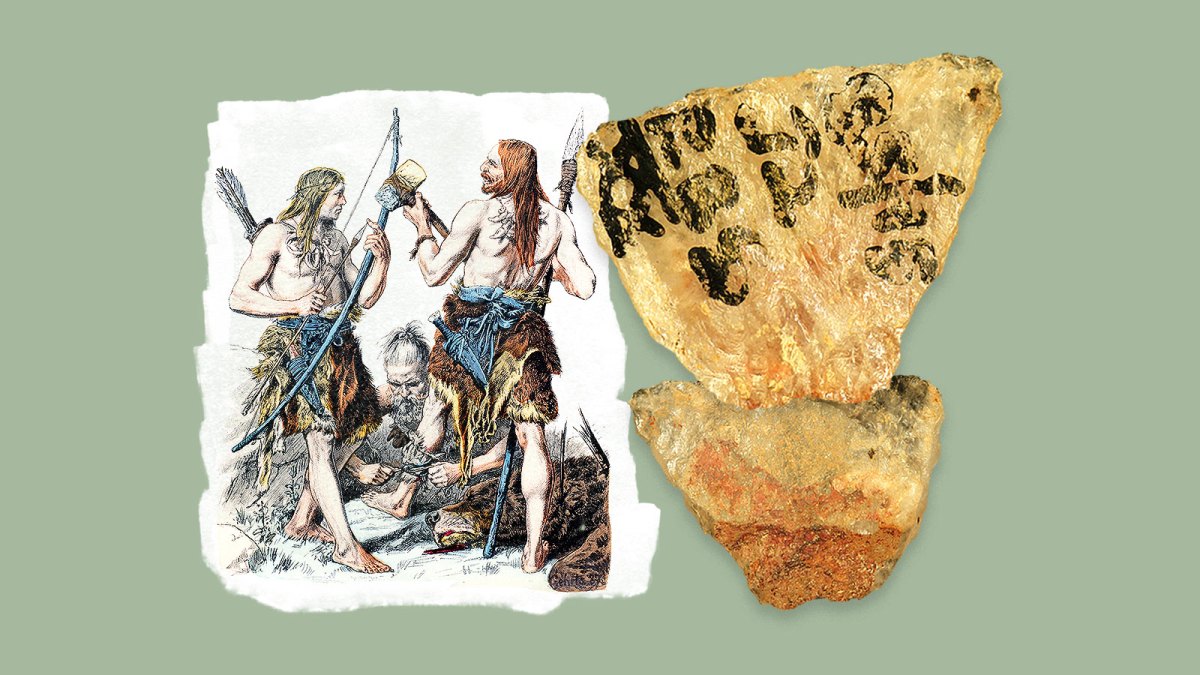
The use of biological weapons dates back at least 60,000 years, scientists have found, uncovering the oldest ever evidence of poison-tipped arrows.
When Stone Age hunters stalked across modern-day South Africa, they were not only armed with bows and arrows but also an extra ingredient to make sure they brought down their prey.
Their arrow tips had been coated with chemicals extracted from the plant known as gifbol, or Boophone disticha. It contains toxic substances including buphandrin and epibuphanisine that can lead to agitation, stupor and death.
• Rare battle treasures discovered from the age of Boudica
The plant, known locally as Bushman poison bulb, is still in use by traditional hunters who extract its milky sap and make it into a paste to apply to their arrows. For larger animals such as the eland, a type of antelope, the poison can take hours or days to take effect.
Researchers from South Africa and Sweden said: “Wounded animals usually continue to run for several kilometres during which hunters will track them, sometimes for a day or more.” In lower doses, it has medicinal uses.

KwaZulu-Natal, South Africa, where the discovery was made
ALAMY
Archaeologists have now discovered that the plant’s use by hunters as a poison to apply to arrowheads dates back at least 60 millennia. Professor Marlize Lombard, of the Palaeo-Research Institute at the University of Johannesburg, said: “This is the oldest direct evidence that humans used arrow poison.”
The study, published in the Science Advances journal, said it was the first firm evidence found of poisoned arrow use in the Pleistocene epoch, which lasted from 2.6 million to 11,700 years ago. Evidence of poison-tipped arrows had previously been found from 6,700 years ago and signs of a “poison applicator” were found dating back 24,000 years, but there is debate over that find.
• Think things are bad? Look at how our ancestors treated each other
“It shows that our ancestors in southern Africa not only invented the bow and arrow much earlier than previously thought, but also understood how to use nature’s chemistry to increase hunting efficiency,” Lombard said.
The substance was identified on 60,000-year-old quartz arrowheads found in the Umhlatuzana Rock Shelter in KwaZulu-Natal in South Africa.
Professor Sven Isaksson of the Archaeological Research Laboratory at Stockholm University said: “Being able to identify the world’s oldest arrow poison together has been a complex undertaking and is incredibly encouraging for continued research.”
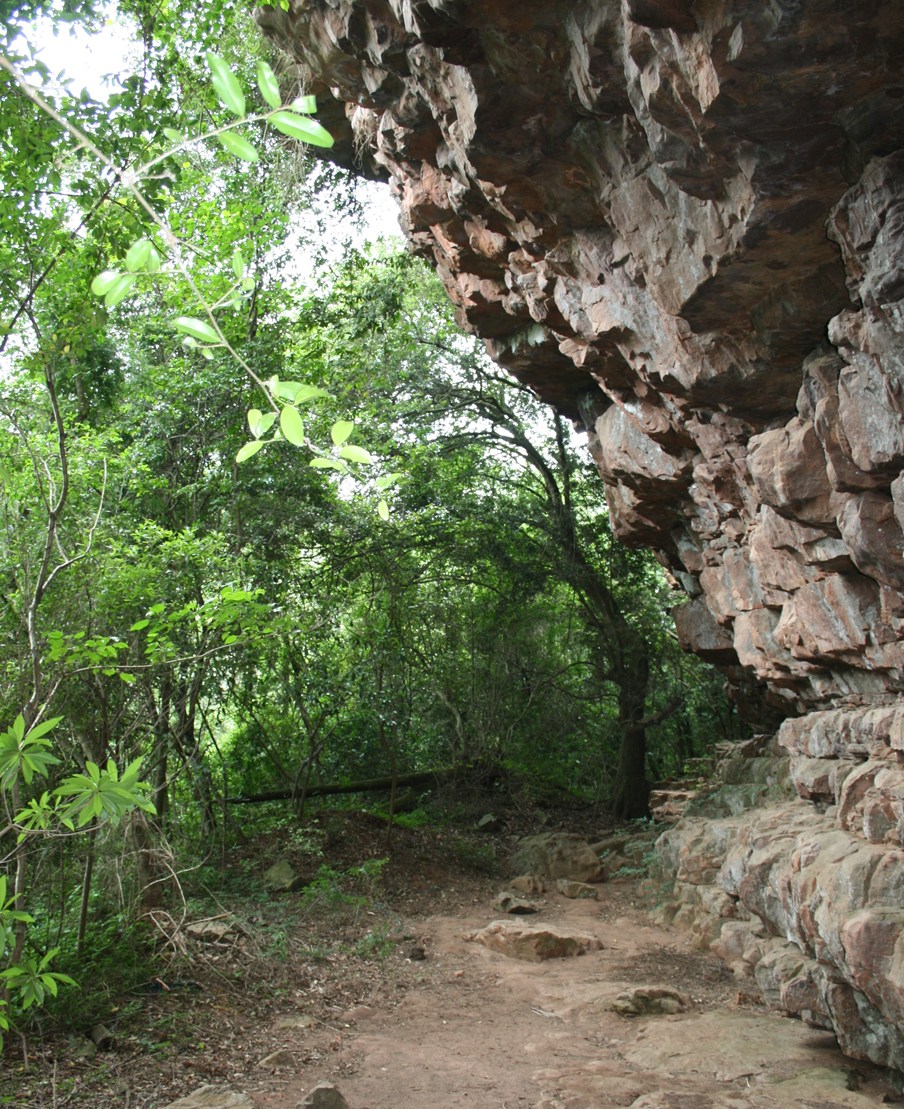
The Umhlatuzana Rock Shelter
The discovery also provides evidence that early humans in the region were capable of the complex thought processes needed to plan, extract, mix and apply poison to their weapons.
• Stone Age or Picasso — can you spot the difference?
Professor Anders Högberg from the Department of Cultural Sciences at Linnaeus University in Sweden said: “Using arrow poison requires planning, patience and an understanding of cause and effect. It is a clear sign of advanced thinking in early humans.”
The toxin was also found on arrowheads collected by travellers dating from the 18th century, showing it is likely to have been in constant use over a long period of time.
Isaksson said: “Finding traces of the same poison on both prehistoric and historical arrowheads was crucial. By carefully studying the chemical structure of the substances and thus drawing conclusions about their properties, we were able to determine that these particular substances are stable enough to survive this long in the ground.
“It’s also fascinating that people had such a deep and long-standing understanding of the use of plants.”