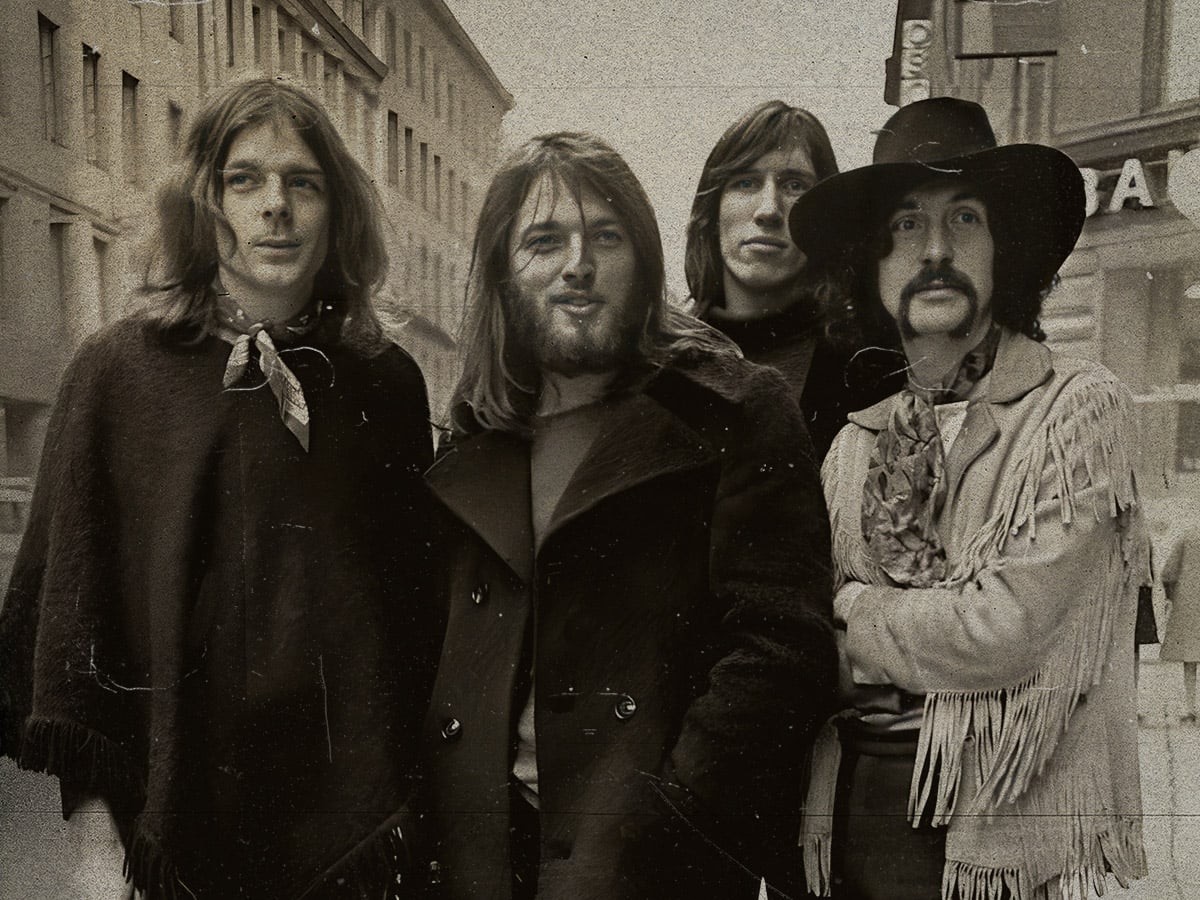
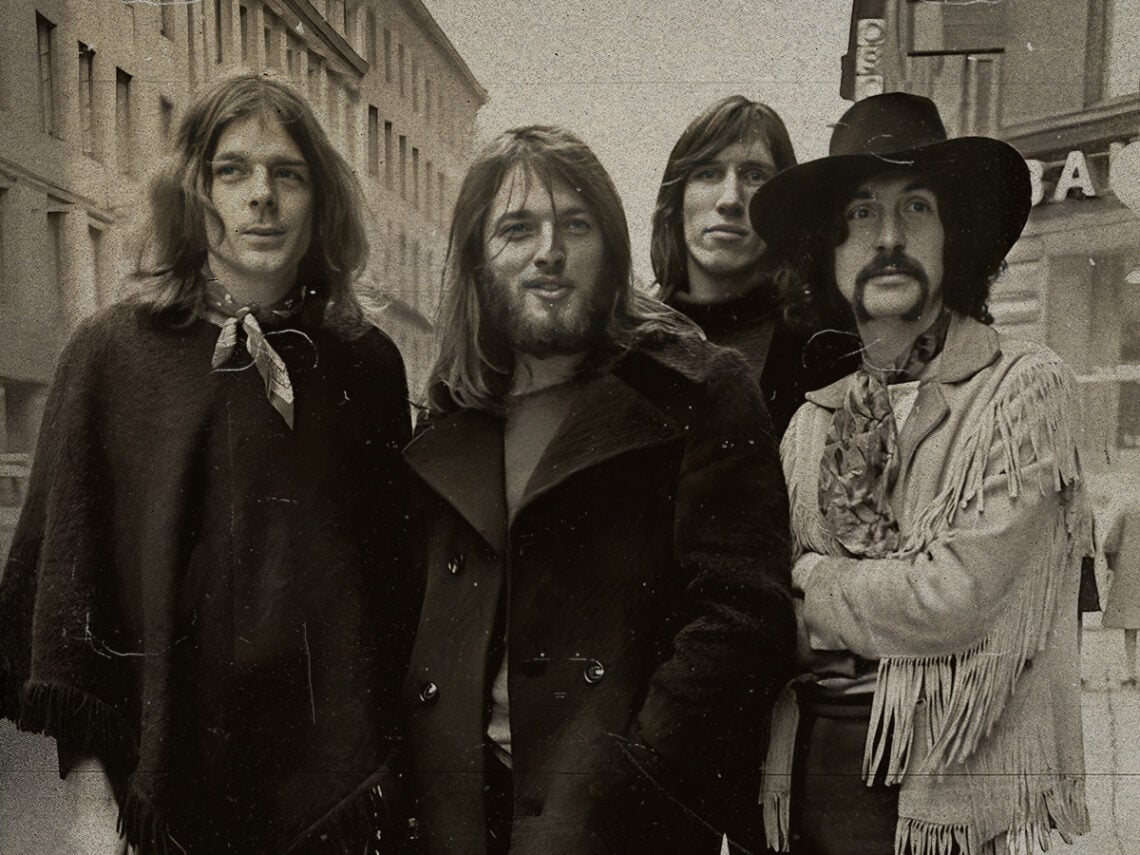
(Credit: Far Out / Roger Tillberg / Alamy)
Wed 7 January 2026 17:41, UK
Every artist walking into the studio will need to bring their A-game. Time is money, after all, and for every hour that you spend trying to jam in the studio trying to work out various changes on your song, the less patient any session musicians might become trying to figure out what you’re really trying to do. Although Pink Floyd were the kind of technicians that took every bit of their music seriously, ‘Shine On You Crazy Diamond’ actually had to be erased entirely once they were well into the process.
Granted, having made a record like Dark Side of the Moon, the band weren’t just going to roll over and make something merely decent for the follow-up. Pink Floyd were now one of the biggest artists in the world, and yet they still felt empty inside, knowing that one important person wasn’t there to share in the glory.
Syd Barrett had already long left the fold, but Dark Side of the Moon already had a hint of his music trailing back into its sound. The entire concept of what drives people to madness could have been a stand-in for Barrett or a number of other people lost in the cosmos, but there was no denying Barrett was the inspiration behind ‘Shine On You Crazy Diamond’.
While Wish You Were Here was a love letter to the band’s fallen friend, the two epics that bookend the project feel like the band trying to capture Barrett’s spirit somewhere in the grooves. Once they had gotten well into the process, David Gilmour said they realised they couldn’t use more than half of what they had made.
That decision to start again speaks volumes about how seriously Pink Floyd treated the song. ‘Shine On You Crazy Diamond’ was not just another track to be polished into shape, but something that had to feel right on a deeper level. If the atmosphere was wrong, then the emotion was wrong, and no amount of technical wizardry could disguise that. Erasing days of work was preferable to committing something that felt false.
It also highlights how much patience and trust the band placed in the process itself. Rather than forcing a deadline or settling for a version that merely functioned, they allowed the song to reveal itself over time. That willingness to dismantle and rebuild is part of why the track feels so alive, carrying a sense of fragility and reverence that could only come from musicians prepared to tear their own work apart in service of the truth.
In conversation with Guitarist, Gilmour remembered having to erase most of the song because of how much reverb worked was on the final track, saying, “We didn’t notice it for a while. We carried on working on it because we always thought, ‘Well, that’s just the reverb’. But then we tried to get rid of it, tried to kill the reverb one day, and we couldn’t. I think we ended up redoing the whole of the basic track of drums, bass and all the guitar for ‘Shine On You Crazy Diamond’”.
Even though that kind of error would knock the wind out of anyone’s sails, you would hardly notice the band’s fatigue when listening to the song. Opening with that brilliant keyboard swell from Richard Wright, both sections of the track feel like an emotional exorcism on everyone’s part, as if they are trying to tell the full story of Barrett. At various points of the song, you get the playful psychedelic side of him, the mental break he suffered, and what it felt like for the band to lose him.
There is still a healthy amount of reverb on the track, but it’s certainly not as all-consuming as the band hinted. If anything, it feels like you’re coming out of a mental haze as you listen to the start of the track before Gilmour comes in with four magical notes that sound like unlocking memories from the band’s time with Barrett. Every member of Pink Floyd had talked about the strenuous times tyring to put the song together, but if you’re going to do right by your old bandmate, this is how you come correct.
Related Topics