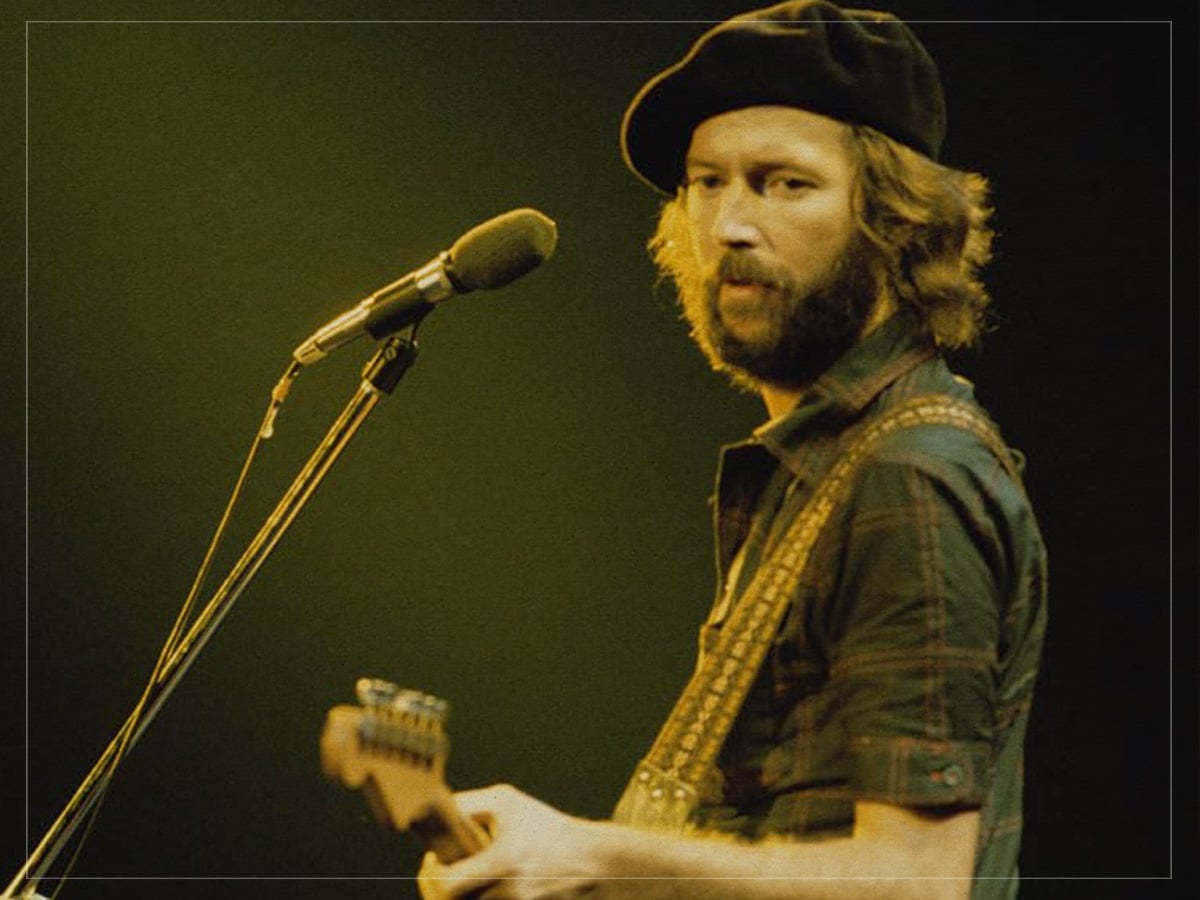
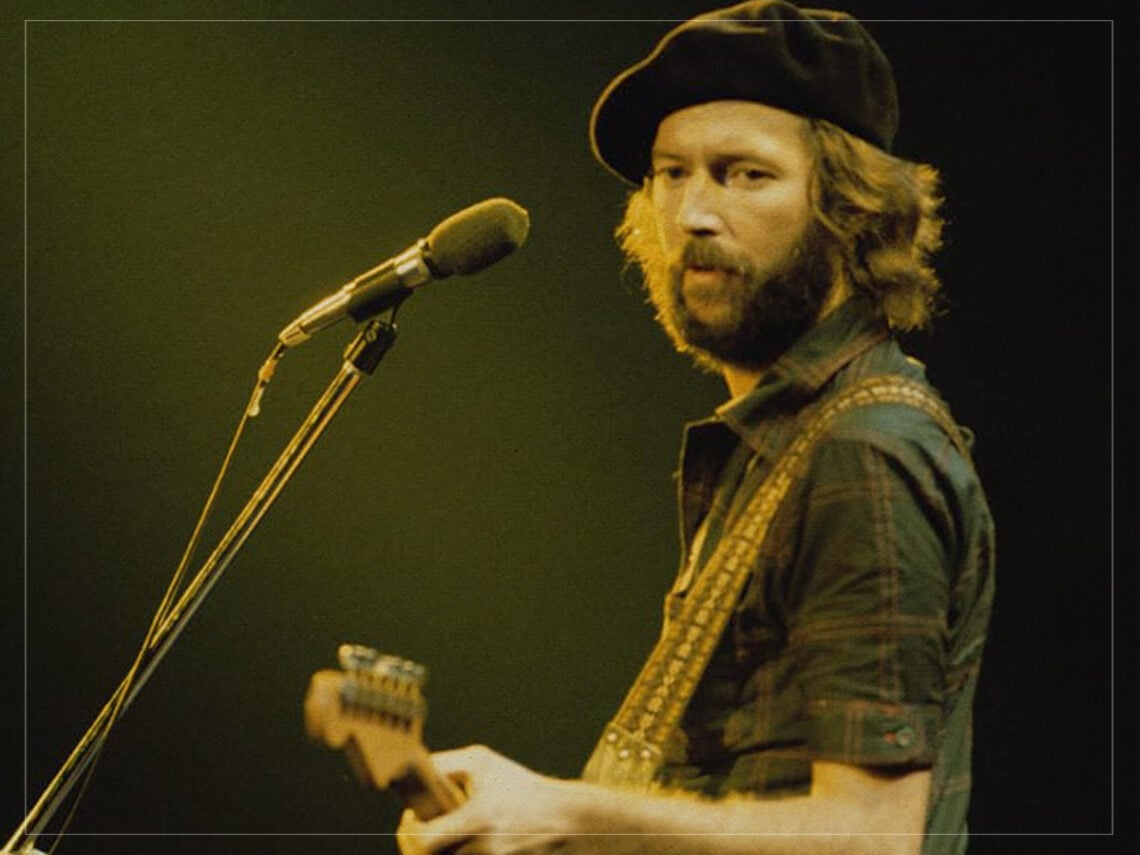
(Credits: Far Out / Showtime Documentary Films)
Wed 7 January 2026 16:30, UK
From the minute that he first began playing, Eric Clapton didn’t want to be known as simply a great rock and roll guitarist.
Being called one of the first gods of the instrument must have felt nice, but all he was doing was carrying on the grand tradition of blues players that had started decades before rock and roll was even a thought in Chuck Berry’s mind. But while he could spend the rest of his days playing the fastest licks he could, even ‘Slowhand’ realised that there came a point where people could say just as much without flying off the handle.
If you look at his state of mind circa 1965, though, you’re hardly going to find a kid looking to slow down. This was the minute that he quit The Yardbirds and had moved on to John Mayall, and with a band like Cream nearly on the horizon, hearing him cut loose on some blues classics was all he could have asked for. He finally felt at home with his guitar, but where do you go when you start playing with the greatest players on Earth?
I mean, having friends in everyone from Steve Winwood in Blind Faith to Duane Allman in Derek and the Dominos would have been the basis for the greatest rock and roll band the world had ever seen, but after falling out with both supergroups, Clapton figured that it was time for him to start delving into singer-songwriter territory. He had loved what The Band was doing, and in records like 461 Ocean Boulevard, he was already starting to put the God-like guitar licks on the back burner.
That’s not to say that he couldn’t still play a great lick when he wanted to. Slowhand is one of the greatest records that he released during the 1970s, and while ‘Wonderful Tonight’ might not have the most electrifying guitar part he ever wrote, that melody is impossible to get out of your head once you hear it. But being able to play simple things and make them hit hard was something that JJ Cale knew like the back of his hand.
While Clapton may have helped expose Cale to a new audience with his cover of the song ‘Cocaine’, his blues colleague was his own unique animal. There isn’t much going on in many of his records, but when any musician is that exposed, it’s easy to hear their soul a lot better when they’ve got the guitar in their hands. And after years of playing mile-long solos, even Clapton started to notice that subtlety was the way to go.
Despite having love for blues guitarists like Buddy Guy and Freddie King, the influence that Cale had on him was more important than anyone knew, saying, “[He is] one of the most important artists in the history of rock, quietly representing the greatest asset his country has ever had. I didn’t want anything to do with this heavy metal s— that was going on. I can’t stand the noise. I wanted to kind of see the virtuosity, I wanted to get back to fundamentals, and he was a fundamentalist for sure. And so he was my beacon.”
That’s probably why Clapton didn’t see the same kind of merit in a band like Led Zeppelin around that time. Both of them were approaching the blues in their own unique way, but whereas Jimmy Page got the heaviest tones that he could out of his band, Clapton was far more interested in making the guitar speak in the same way that a great soul singer would whenever he got behind the fretboard.
Not all of his records may have been to his audience’s taste, but as far as ‘Slowhand’ could tell, Cale taught him to always be honest with himself. The audience might not follow you on every step of your musical journey, but if you follow your heart instead of the trends, there’s no one in the world who can touch you.
Related Topics