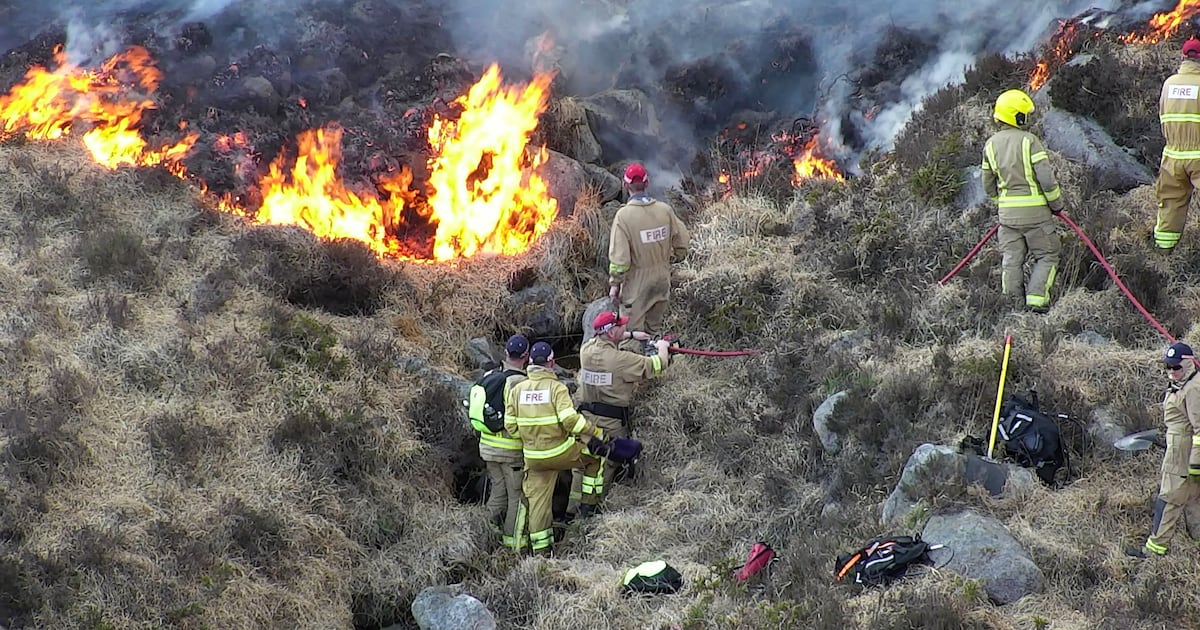
More than 300 firefighters have been injured on duty in the last three years, with almost £70,000 made in compensation payments.
The Northern Ireland Fire & Rescue Service recorded peak injuries in 2022/23, when 118 firefighters were injured while on duty. In the last year, 102 injuries were recorded.
Forty-eight claims against the service by firefighters have been made since 2022, leading to £69,100 in compensation payments.
The NIFRS operates 68 fire stations, serving a population of approximately 1.9 million people across four operational command areas in the north.


The Eastern Command Area recorded the highest number of injuries, with 115 incidents, followed by the Southern Command Area, which logged 82 injuries.
Commonly reported injuries include burns, smoke inhalation, musculoskeletal damage, slips and falls, and impact injuries caused by falling debris or collapsing structures. Manual handling was the leading cause, accounting for 116 injuries, followed by slips, trips and falls, which resulted in 76 injuries, according to Accident Claims Advice, which obtained the figures.
Accident Claims Advice said firefighting remains one of the most hazardous public service roles in the UK, with crews regularly respond to structural fires, serious road traffic collisions and hazardous incidents.
Speaking about the need for increased investment, Adam Taylor, Fire Brigades Union national officer, said: “Too often firefighters are not being provided with the basic equipment and training they need to keep themselves and the public safe.
“Without proper PPE, firefighters face an impossible choice between heat stroke and exposing themselves to burns, either from flames or the sun. We urgently need investment to sort out this problem. We also need national standards on equipment and training, as well as response times and crewing levels.”
A spokesperson for the Northern Ireland Fire & Rescue Service said employee safety is an essential matter:
“At NIFRS, the safety and wellbeing of our employees is our highest priority. Firefighting and emergency response are inherently demanding roles, and unfortunately injuries can occur despite the precautions in place. We have a comprehensive range of health and safety policies in place to minimise risk and protect our people while they carry out their duties.
“We continue to monitor injuries closely, learn from incidents and take action where improvements can be made. Supporting our people and reducing the risk of injury whilst at work remains a key focus for our Service.”