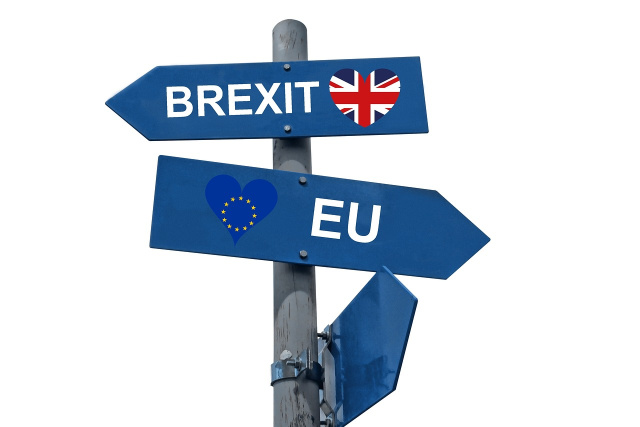
A majority of British citizens would support rejoining the European Union if given the opportunity, a new survey indicates. According to a nationally representative online poll conducted by Deltapoll among 1,997 adults between December 16 and 18, 2025, 58% of respondents said they would vote to return to the EU. The findings highlight a growing public appetite for reconsidering the 2016 Brexit decision as the country approaches the 10th anniversary of the referendum.
Support for re-entry is particularly strong among younger voters. Among those aged 18 to 24, 86% expressed a desire to rejoin the EU. Older age groups are more divided: 49% of people aged 55 to 64 would support returning, while 42% of those 65 and older favor it.
Political affiliation also strongly influences attitudes. Conservative and Reform supporters largely back the current post-Brexit status quo, with 66% and 82% respectively opposed to returning to the EU. In contrast, Labour and Liberal Democrat voters overwhelmingly favor rejoining, with 71% and 78% in support.
Regionally, majorities in every part of the UK are pro-EU, with Scotland leading at 73%, followed by London and Wales at 65% each. Support is lowest in the Midlands (53%) and northern England (54%), yet remains above 50% in both areas.
Prime Minister Keir Starmer has focused on repairing relations with European partners after years of tense Brexit negotiations under Conservative governments. Recent developments include a new trade deal with Brussels and the UK’s re-entry into the Erasmus+ program, allowing British students to study at EU universities once again.
Despite public opinion, Starmer has ruled out a formal reversal of Brexit. In a BBC interview, he reiterated that the government does not plan to rejoin the EU but aims to foster closer ties, including improved access to the single market.
The issue has sparked debate within the ruling party. Health Secretary Wes Streeting has expressed support for a new customs union with the EU, while Paul Nowak, leader of the British Trades Union Congress, emphasized the importance of strengthening ties with Brussels amid rising geopolitical uncertainty. The advocacy group Best for Britain has described Brexit as a public failure, arguing that the growing desire to “rejoin the club” reflects voters’ response to economic and security concerns.
Government sources, however, maintain firm boundaries. A spokesperson for the prime minister emphasized that re-entry into the single market or customs union remains a “red line” for the cabinet, though they acknowledged the need to “reset and strengthen” UK-EU relations.