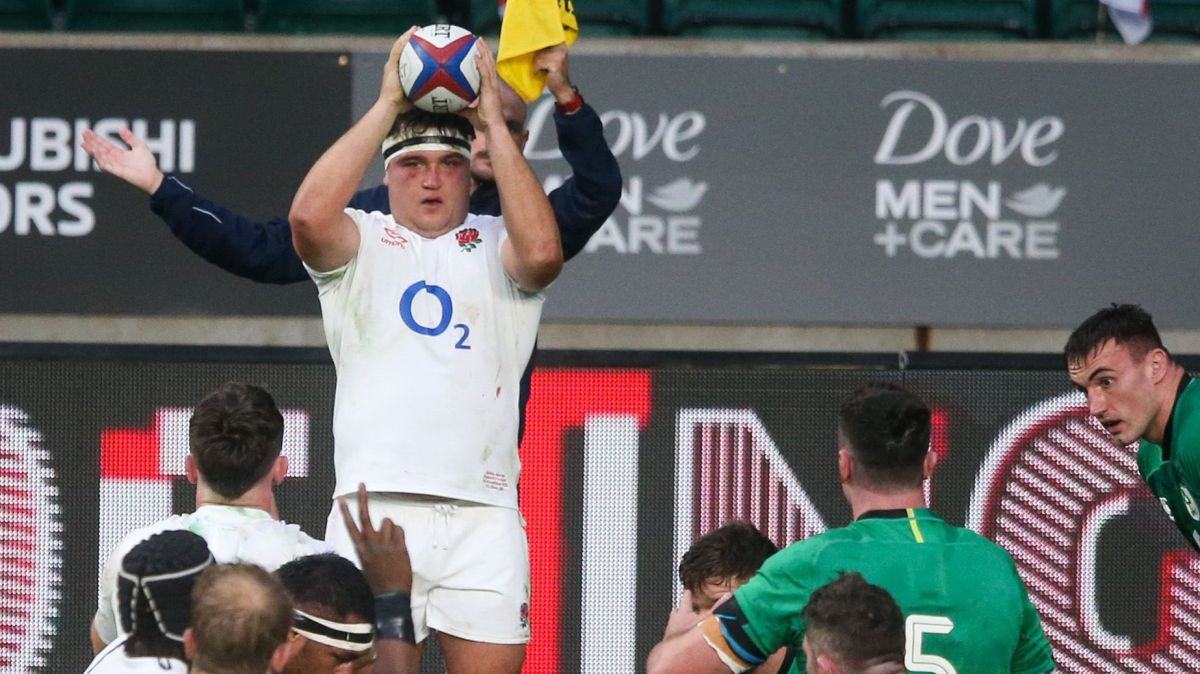
If the Saracens lineout malfunctions as badly as it did for much of the match against Leicester Tigers last Sunday, they are in for more misery — this time of the European variety — as Toulouse come to town.
At the time of writing Jamie George, despite failing a head injury assessment in the first half against Leicester, is expected to play. The participation of Theo Dan, who replaced him for the best part of 50 minutes, is yet to be confirmed, however.
It wouldn’t be a surprise if James Hadfield replaced Dan on the bench after Dan’s lineout difficulties against the Tigers. Yet the 25-year-old Dan is one of the most dynamic ball-carrying forwards in England. Selected for the 2023 World Cup squad, his international career hasn’t ignited as many observers expected.
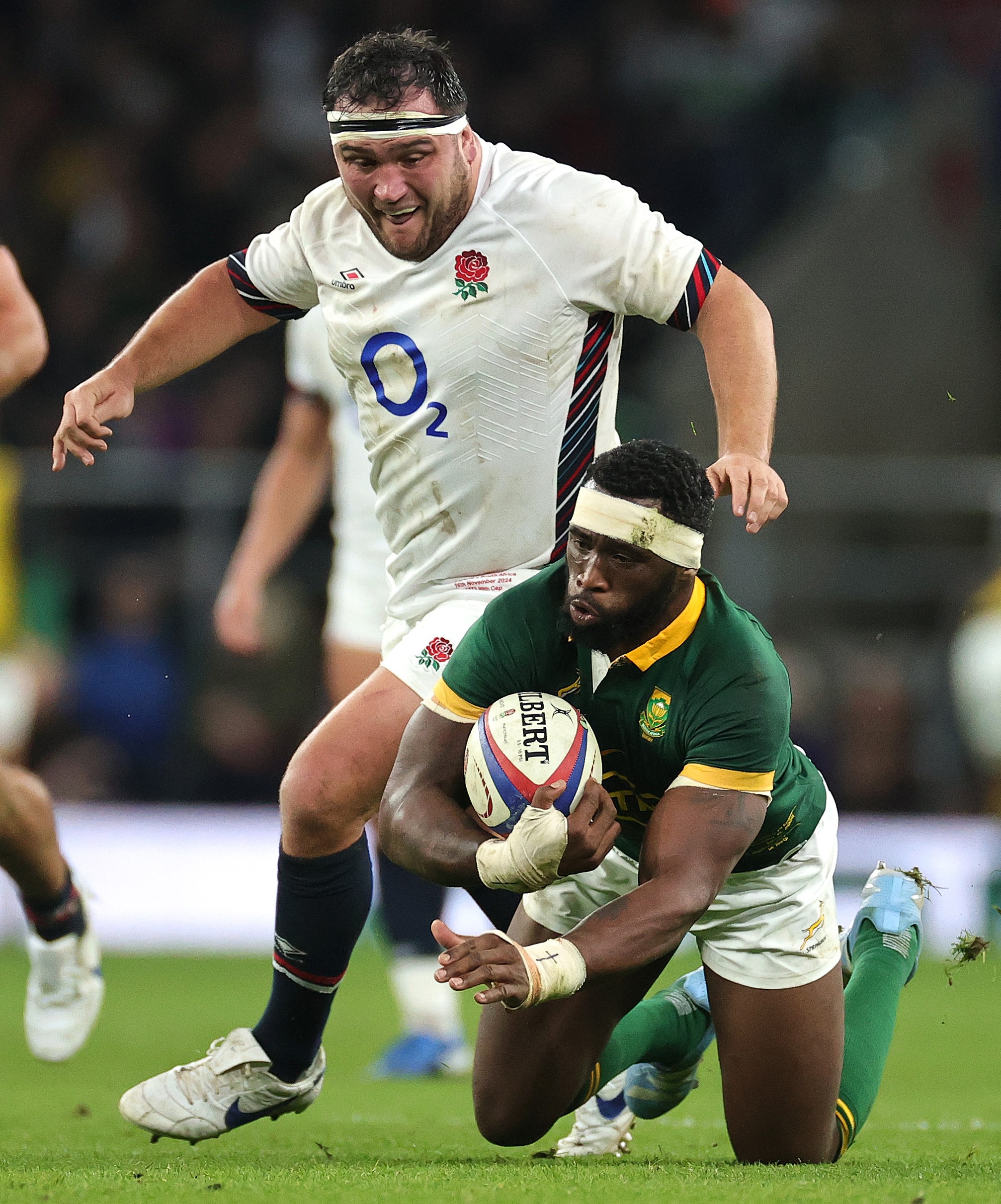
George trundles around the pitch these days but he remains the most reliable choice at the set piece
DAVID ROGERS/GETTY IMAGES
Whereas George trotted around Leicester for half an hour — a technician at the set pieces who has lost some of his dynamism — his club and international colleague has failed to find the requisite accuracy and improvement at the lineout.
In the second half, Leicester were winning ball as easily on the Saracens throw as on their own, despite the fact Maro Itoje had come off the bench for his first Gallagher Prem action since October. When the England captain did win the ball, it required superb athleticism.
For several reasons, precision has never been so vital a part of the hooker’s artillery. First and foremost, the catch-and-drive lineout is central to every coach’s attacking playbook. It has been pre-eminent for some time but, more and more, teams have extended their patient lineout and ball-carrying tactic beyond the set piece itself.
Bath’s 32-phase winning try to beat Exeter Chiefs was a perfect illustration of the detailed drills of a high-powered pack. The hooker is the regular beneficiary, with the likes of Dan and Sale Sharks’ Luke Cowan-Dickie outstanding finishers from close range. When it comes to throwing in, however, the Sale man is not guaranteed to handle the pressure of the potential tryscoring lineout. Being a great carrier is only worth so much if your team cannot win the ball from the throw in the first place.
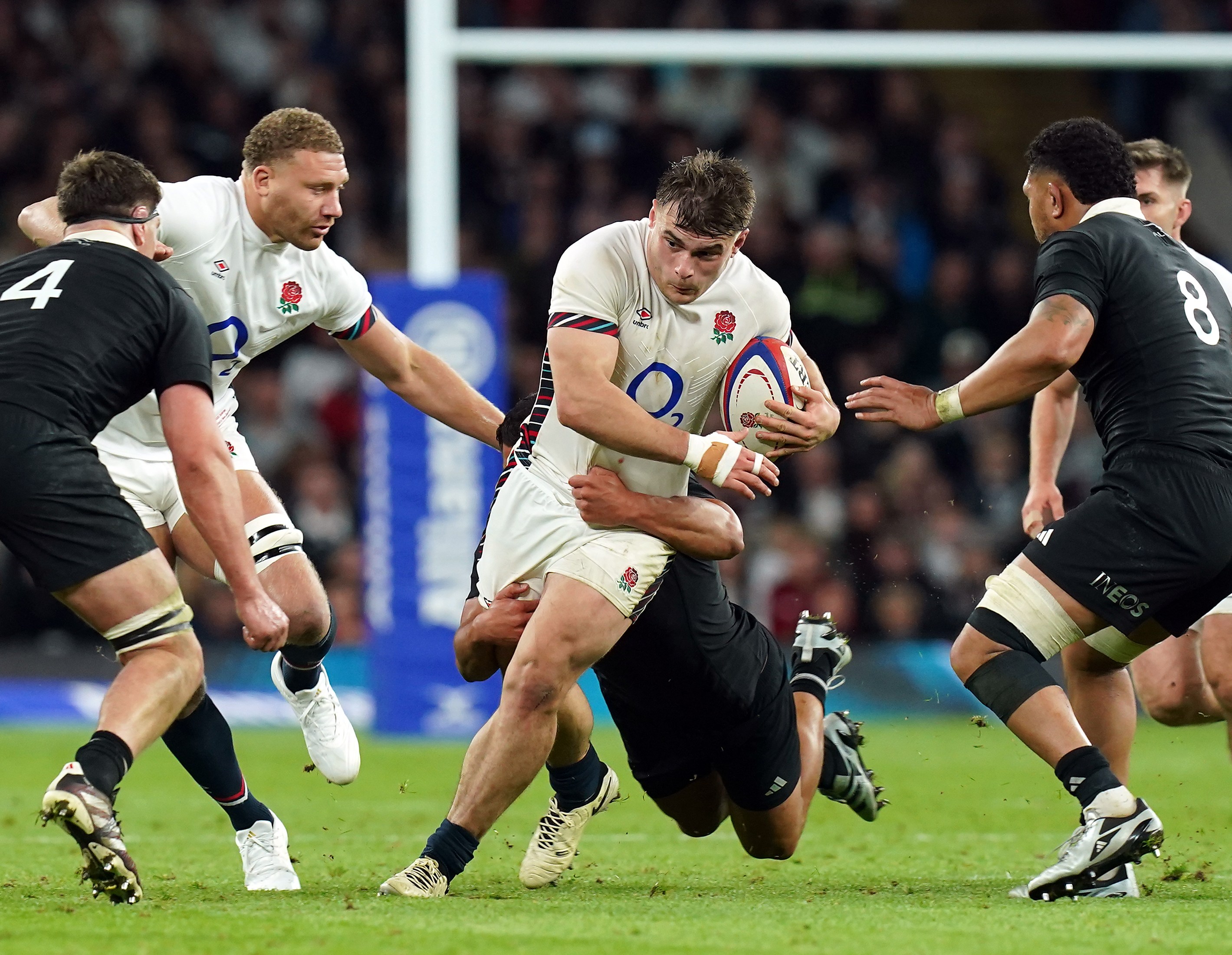
Dan is an explosive carrier whose questionable throwing technique is now more of a problem
GARETH FULLER/PA
A word of sympathy for the heroic hooker. The throw is harder than ever. Coaching trends come and go, and we are witnessing the end of a 20-year-plus defensive strategy. From ten metres or so out, most teams have not jumped against the attacking side. Rather than compete in the air for possession, defenders rooted themselves to the ground to neutralise the powerful drive developed on training fields from Pretoria to Exeter.
That is changing. Now, with more skilled and rehearsed ball-retention, a try is more likely than ever to be the result of a drive, as the likes of Ollie Chessum terrorise hookers of questionable technique, just as he did to Dan against Saracens.
The shift in mindset was triggered by the law change a year ago that allows for crooked throws if the defending side do not get off the ground. It was no surprise that coaches quickly realised the imperative of forcing a straight throw.
Lo and behold, the law change — much criticised — has partly been the catalyst for a reversion to the amateur days when there was no such thing as a designated lineout coach. Tryscorers are ploughing their way over the line like never before. The vogue (and it won’t be fleeting) is to stop the attack before the attacking team wins the lineout.
These are the toughest of times for hookers — in turn making it difficult for Steve Borthwick. George may trundle around these days but when it matters most, he’s the man the England head coach — a former second row — trusts most to pick out a target. George and Cowan-Dickie have dominated the England No2 and 16 jerseys in recent times. The idea that a team should start with a technician and finish with a runner, à la George and Cowan-Dickie/Dan, makes little sense now.
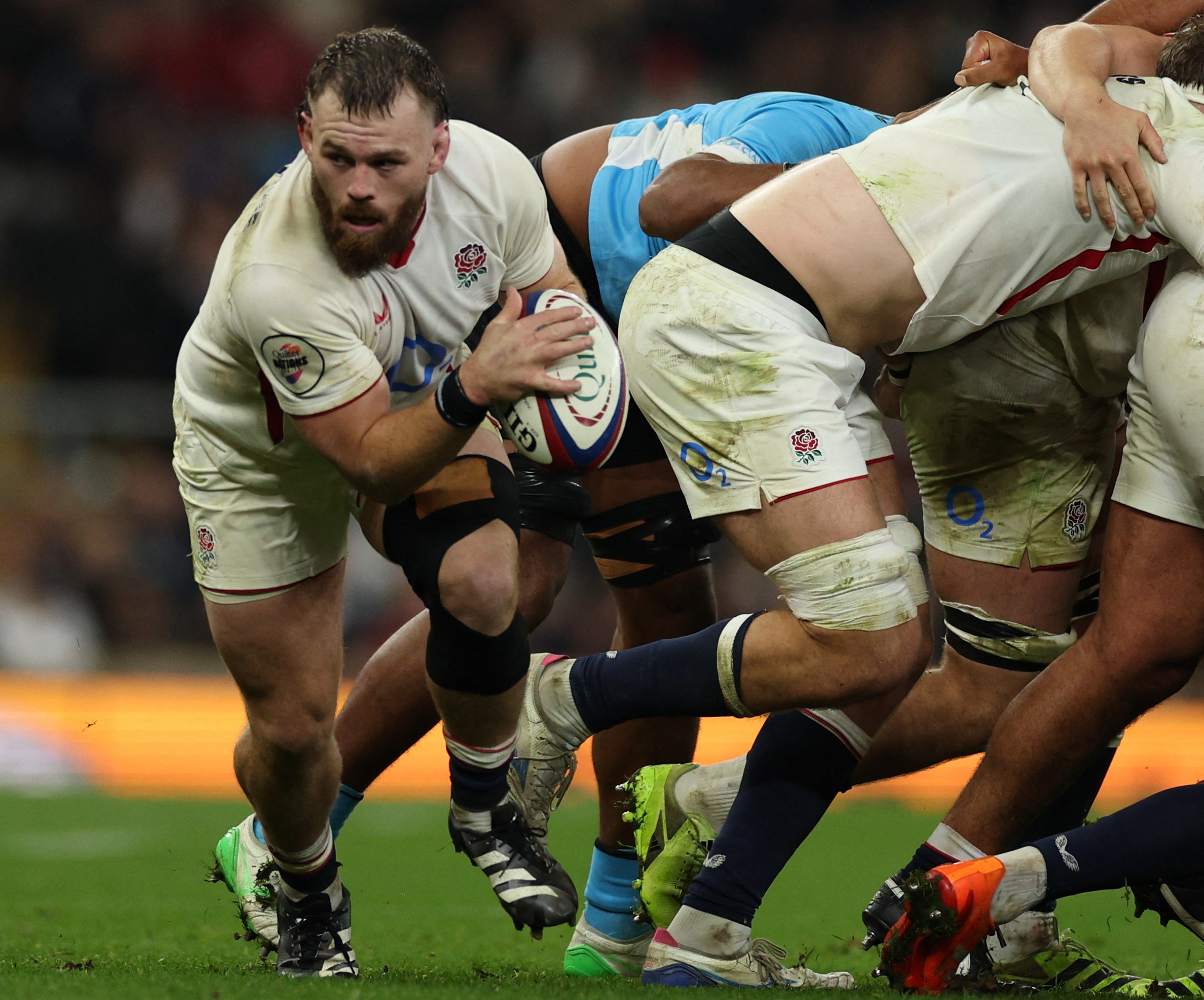
Cowan-Dickie still suffers from the occasional yip in this era of more competitive lineouts
ADRIAN DENNIS/GETTY IMAGES
On Monday I argued for having a kicker of Henry Slade’s quality to turn penalties into tryscoring positions, five metres out. There is no logic to that idea if the hooker is spooked by a 6ft 7in giant rising at the front of the line. Cowan-Dickie has never eliminated the occasional yip of his own.
This particular set piece is — like the rest of rugby — a collective process. Responsibility has to be shared but hookers have the greatest share of the burden — one man against a forest of springing jumpers everywhere.
Toulouse are capable of some of the most exquisite rugby in Europe but on Sunday they will take to the skies against Saracens at the lineout with some spectacular second and back-row specimens. At full tilt, they have the starter and replacement French hookers in their 23. It is one of the sacred French positions.
England have George as the logical first choice. South Africa have Malcolm Marx — breakdown expert, tryscorer and, above all, a confident darts man. The changing approach to the lineout makes England suspect in what you would expect, in a Borthwick team, to be a position of strength.
As for Saracens, they face one of the best lineouts in Europe. If they lose five lineouts as they did against Leicester, that’s not all they will lose.
England’s Six Nations scheduleSat, Feb 7 Wales (home), 4.40pmSat, Feb 14 Scotland (away), 4.40pmSat, Feb 21 Ireland (home), 2.10pmSat, Mar 7 Italy (away), 4.40pmSat, Mar 14 France (away) 8.10pm