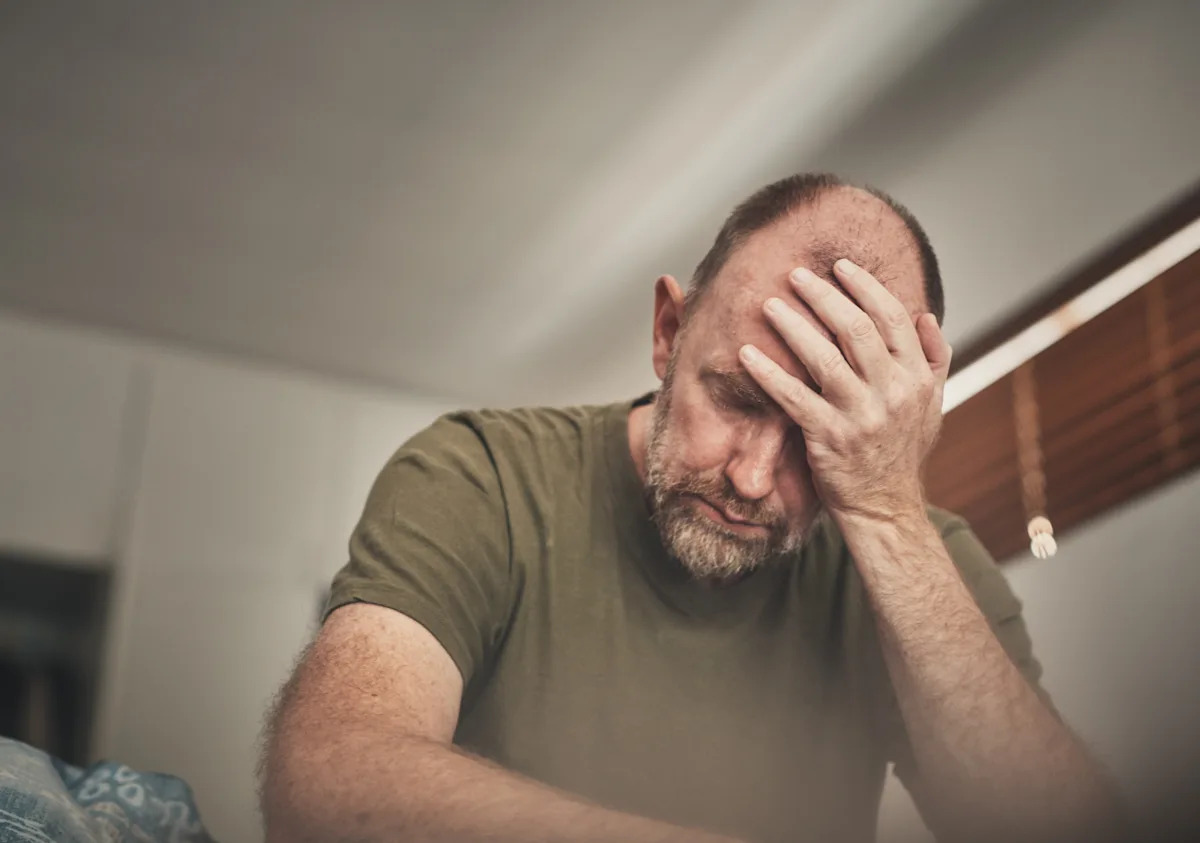
You’re sleeping enough and generally eating well, but still feel tired and weak for the most part. Before blaming stress or burnout, it may be as simple as your body missing iron.
One of the most common nutrient deficiencies, a lack of iron affects almost a quarter of the UK population, yet it is often overlooked as a serious health condition.
Women, in particular, are at higher risk of iron deficiency due to increased iron needs at certain life stages, combined with blood loss during the menstrual cycle. At the same time, some women may not be getting enough iron-rich foods in their diet to balance this out. According to the NHS, women aged 19-49 need almost twice as much iron per day as men do.
As a nation of tea drinkers, the UK may be particularly vulnerable to iron deficiency, as specific compounds in tea and coffee may make it harder for the body to absorb iron, especially when consumed with meals.
If left untreated, it can gradually progress to iron-deficiency anaemia, which could put you at risk of developing a serious illness or infection, as well as further complications that could affect your heart or lungs.
Malnutrition, which refers to deficiencies, excesses, or imbalances in a person’s intake of energy or nutrients, is a problem that affects millions of people in the UK, says the NHS. And iron deficiency is a key part of that picture. As a registered dietitian, Aisling Pigott explains, “a lot of the signs that somebody is low in iron can also be signs that they’re low in general nutrition.”
Here are some signs to look out for if you suspect you have low iron levels.
Signs you could be missing iron from your dietIncreased tiredness and fatigue
One of the earliest and most common signs of low iron is persistent feelings of tiredness and low energy, even after significant rest. In fact, tiredness is so common that a YouGov survey revealed that one in eight Brits feels exhausted all of the time.
Often dismissed as stress or hormonal changes, if low energy is caused by iron deficiency, it happens as your body struggles to replenish energy efficiently. This can lead to brain fog, difficulty concentrating and processing information, and general physical tiredness.

You may notice that you’re catching a cold more easily and it’s taking longer to clear. (Getty Images).
Weakened immune system and poor recovery
“Everyone jumps to thinking about tiredness, but actually reduced immunity is an under-recognised symptom of both iron deficiency and general sub-optimal nutrition,” says Pigott.
Without enough iron, the immune system can become compromised, making you susceptible to the common cold or flu. It can also make these infections harder to shake off, letting them linger for longer. What might normally take a few days to resolve may take a few weeks to clear.
Shortness of breath
Your spin class or morning yoga session might feel harder than normal, leaving you unusually breathless and fatigued. Piggot explains that shortness of breath is a key indicator of iron deficiency, particularly in people who are typically active and begin to notice a drop in their ability to catch their breath during exercise.
She says, “Iron is essential for producing haemoglobin, the protein in blood that carries oxygen around the body. Without enough iron, haemoglobin levels drop, which limits oxygen delivery to tissues, increasing breathing rate and depth.”
Heart palpitations
Piggot also tells us that many people notice a racing or irregular heartbeat if they’re low in iron. This is because the heart has to work harder to deliver oxygen. If you don’t have enough iron, your heart works overtime, leaving you tired, short of breath or feeling as though your heart is racing.
Paleness
Although visible, paleness is often one of the more subtle signs of low iron. It crops up when there isn’t enough haemoglobin in your system to give your red blood cells their colour. As a result, areas of the skin (particularly hands and face) can appear paler than usual, the NHS identifies.
When to consider taking iron supplements
If you suspect that you have low iron, the simplest first step you can take is to consult your GP and discuss whether a plan for taking iron supplements is suitable. This is determined through a blood test.
The NHS advises that too much iron can be harmful, so it’s important you seek professional advice before starting iron supplements as treatment.
Piggot tells us that, “If iron is low, then I would always suggest following medical advice of supplements alongside considering dietary adaptations to prevent iron deficiency returning.”

Green, leafy veg like kale is a great source of iron. (Getty Images)
Easy ways to add more iron to your diet
🥬 Eat more green, leafy veg like kale, spinach and pak choi
🥣 Opt for breakfast cereals that are fortified with iron
🥩 If you’re a meat-eater, integrate red meat into mealtimes
🍊 Incorporate vitamin C-rich foods to help the absorption of iron
🫘 Cook with more pulses like beans, peas and lentils