Using a proprietary scoring model, the fitness and wellness software giant ranked America’s 25 biggest cities based on physical and mental health behaviors
From daily movement and mindfulness to sleep quality and community connection, America’s largest cities are redefining what it means to live well.
Each year, Mindbody analyzes and lists the healthiest cities in the United States. For 2026, the company surveyed adults ages 18 to 65 across the 25 most populous U.S. cities, examining exercise habits, sleep, stress levels, nutrition, preventative care and social connection. Using a proprietary scoring model, Mindbody ranked cities from healthiest to least healthy based on both physical and mental health behaviors.
ATN breaks down the 10 healthiest U.S. cities for 2026, according to Mindbody, and what sets each one apart.
10. San Francisco–Oakland–San Jose, California
The Bay Area rounds out the top 10 with strengths in sleep quality and alcohol moderation. Residents reported some of the longest average sleep durations and the lowest alcohol consumption, with many also turning to exercise as a way to support mental health.
9. Chicago, Illinois
Chicago ranks ninth, supported by consistent sleep habits and social connection. Residents were more likely than those in other cities to report getting a solid night’s sleep and maintaining strong relationships with friends and family.
8. Phoenix, Arizona
Phoenix earns its place in the top 10 with standout hydration habits and strong interpersonal relationships. Many residents reported drinking high amounts of water daily, and personal connections were frequently cited as a key source of mental health support.
7. Washington, D.C.
Washington, D.C., continues to rank among the most active cities in the country. Residents reported frequent weekly exercise and relatively strong community connection, with fewer people saying they feel detached from their neighborhoods compared to other large metros.
6. Boston, Massachusetts
Boston stands out for its focus on preventative care and mental health support. Residents reported high rates of regular healthcare visits and were more likely than those in other cities to pursue therapy or counseling, reflecting a proactive approach to long-term well-being.
5. Atlanta, Georgia
Atlanta rounds out the top five with high activity levels and mindfulness habits. Most residents reported exercising several days per week, and many use movement as a primary tool for managing stress.
While sleep remains an area of challenge for some, a meaningful share of respondents described themselves as rarely stressed.
4. Houston, Texas
Houston places fourth, largely due to the role fitness plays in mental wellbeing. Residents were especially likely to say they exercise specifically to support their mental health, and many reported low stress levels overall.
Sleep also emerged as a strength, with few respondents reporting extremely short nights.
3. Los Angeles, California
Los Angeles lands in third place with an emphasis on daily movement and nutrition. The city leads all others in exercise frequency, with a notable portion of residents working out every day.
Strong fruit and vegetable consumption and comparatively low stress levels further contributed to LA’s ranking.
2. New York, New York
New York ranks second, driven by stress management and mindfulness. A significant share of residents said they rarely feel stressed, challenging the city’s high-pressure reputation.
New Yorkers also reported the highest engagement in meditation and mindfulness practices for mental health, alongside strong hydration habits and a sense of community connection.
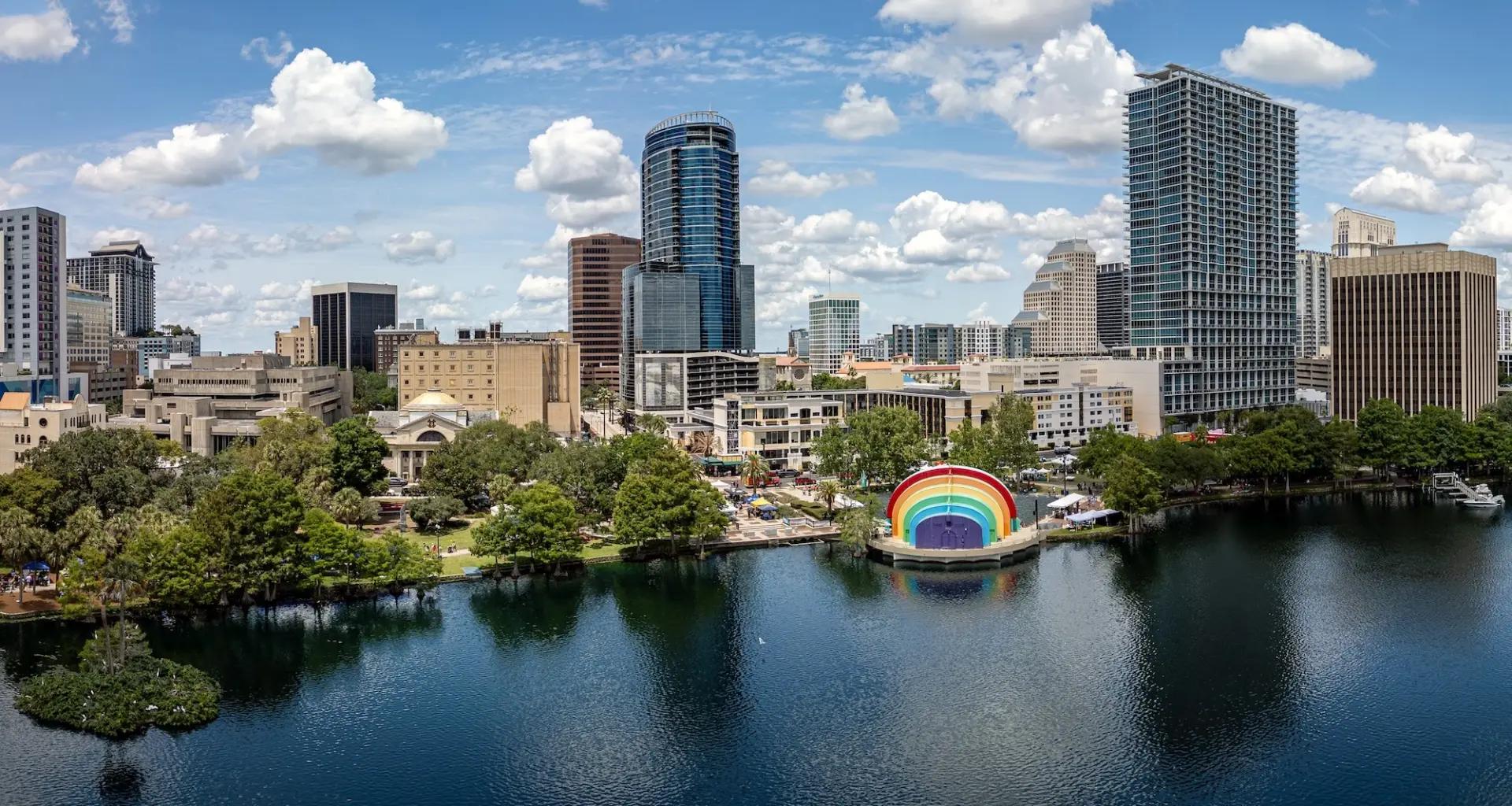
1. Orlando, Florida
Orlando takes the top spot this year. Nearly all respondents reported some form of regular exercise, making it the city with the lowest share of non-exercisers in the survey. Residents also pointed to strong community ties, relatively high fruit and vegetable intake and low alcohol consumption.
Many cited exercise, outdoor time and creative activities as part of how they support their mental wellbeing.
Best of the Rest
Just outside the top 10, several cities showed strong but uneven wellness signals.
Seattle–Tacoma and Minneapolis–St. Paul landed just below the top tier, reflecting solid activity levels and preventative care habits, while Riverside, California, and Austin, Texas, followed with strengths in movement and lifestyle balance.
Larger metros including Dallas–Fort Worth, Denver and Philadelphia clustered in the middle of the rankings, often scoring well in exercise frequency but lagging in areas like sleep consistency or stress management.
Toward the lower end, cities such as Miami–Fort Lauderdale, San Diego, Detroit, St. Louis, Portland–Vancouver (Oregon and Washington) and Baltimore faced greater challenges across multiple wellness indicators.