European Union sources have expressed disappointment at the Government’s rejection of the EU-Mercosur trade agreement, given what they described as Ireland’s traditional image as an export-oriented economy.
Ireland will vote against the trade deal, along with France, Poland and other countries, when member states meet at ambassador level in Brussels this morning.
However, following Italy’s decision to support the trade deal, it is expected to be approved by a qualified majority, meaning by at least 15 member states representing at least 65% of the EU population.
The expected endorsement of the agreement will mark a key milestone in a long process to forge the world’s largest free-trade deal, bringing together two of the globe’s biggest markets in terms of population size and trade volume.
The determination to finally get it over the line was accelerated by US President Donald Trump’s return to the White House and his upending of global trading norms.
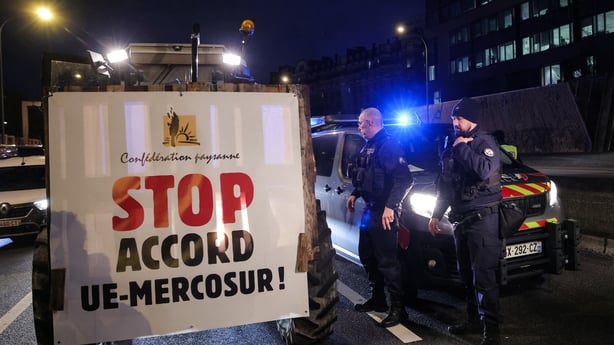
Ireland will vote against the trade deal along with France, Poland and other countries
For the European Commission, this was about creating a platform upon which a rules-based trading system could prevail, and about building a bridge to Brazil, Argentina, Paraguay and Uruguay who were signalling their desire to diversify trade away from the United States.
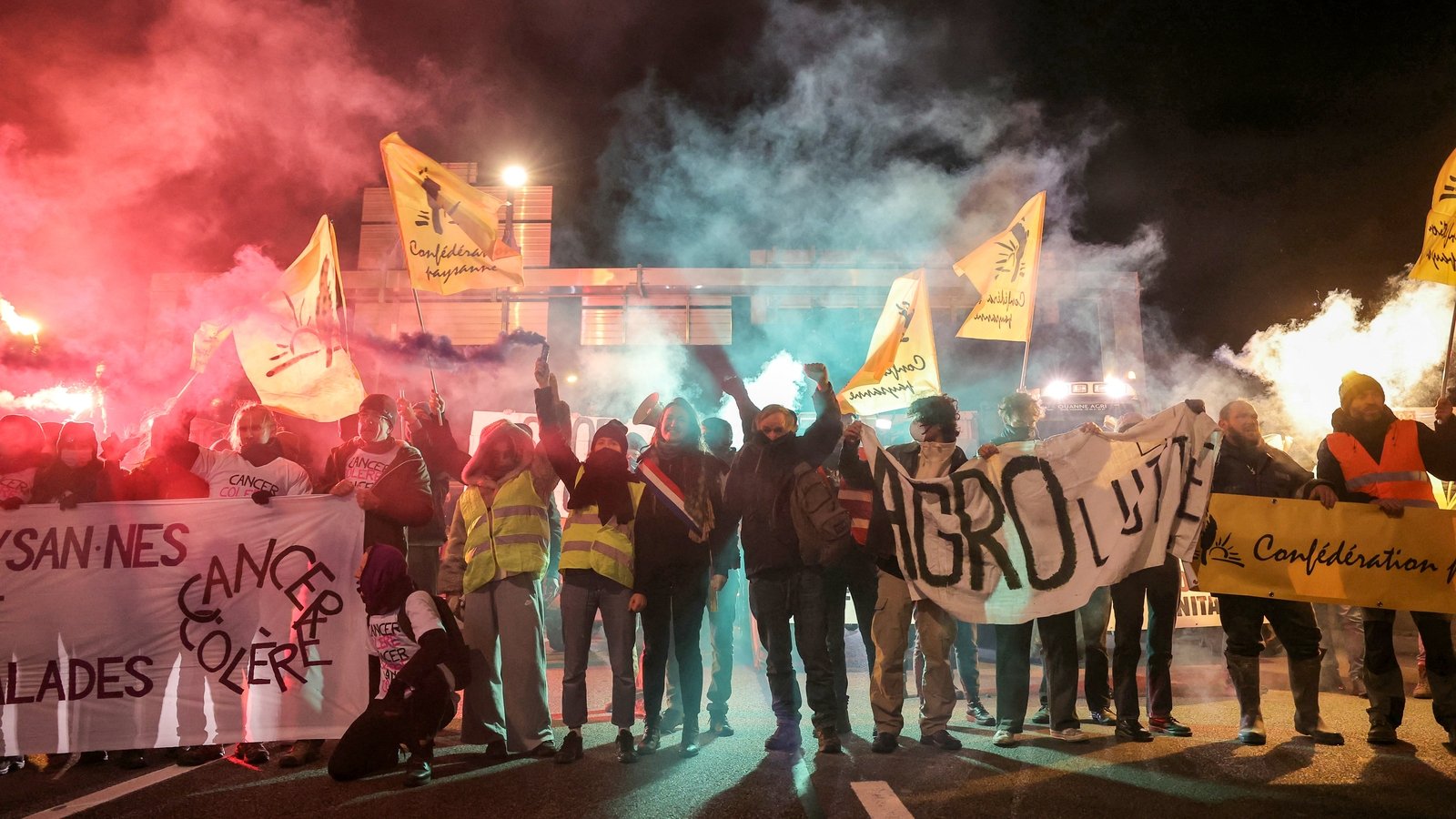
Yet, environmental groups and farmers have railed against the prospect of more cheaply produced beef and poultry imports hitting sensitive markets at home, with further fears about hormone beef and products tainted with antibiotics.
The European Commission has insisted such goods remain banned in the EU, and that audits within Mercosur will be increased, as will sanitary and phytosanitary controls at points of entry into the EU.
There was disappointment last night in some EU quarters at Ireland’s decision to reject the trade deal, with one senior source suggesting the Government had been unwilling to endorse concessions made to farmers and had failed to present the potential positives of the deal in other sectors of the Irish economy.
Read more: What will the impact of Mercosur be on Irish shoppers?