
The warning signs were flashing from the start. England arrived in Australia in dribs and drabs, some from the white-ball tour to New Zealand, others a week before that. When Ben Duckett landed in Perth from Auckland on November 4, a week ahead of his ODI colleagues from New Zealand, his form had been sketchy and it was time for some last-minute cramming before the Ashes examination began.
As every student knows, cramming can work, but it is inadvisable because sooner or later it will find you out. England were found out in Australia and very few players enhanced their reputations. Josh Tongue and Jacob Bethell were two but, in tune with a tour in which everything went wrong, they did not appear until the third and fourth Tests respectively. For many of the others, it was a pass, at best, or fail.
With a highest score of 42 and dropped catches, Duckett was one whose standing took a dive. Jamie Smith, who seemed to shrivel in stature after dropping an early catch in Brisbane and who played the worst shot of the tour in Sydney, was another. There were others, of course, but both Duckett and Smith had similar paths to the Ashes, which was instructive.
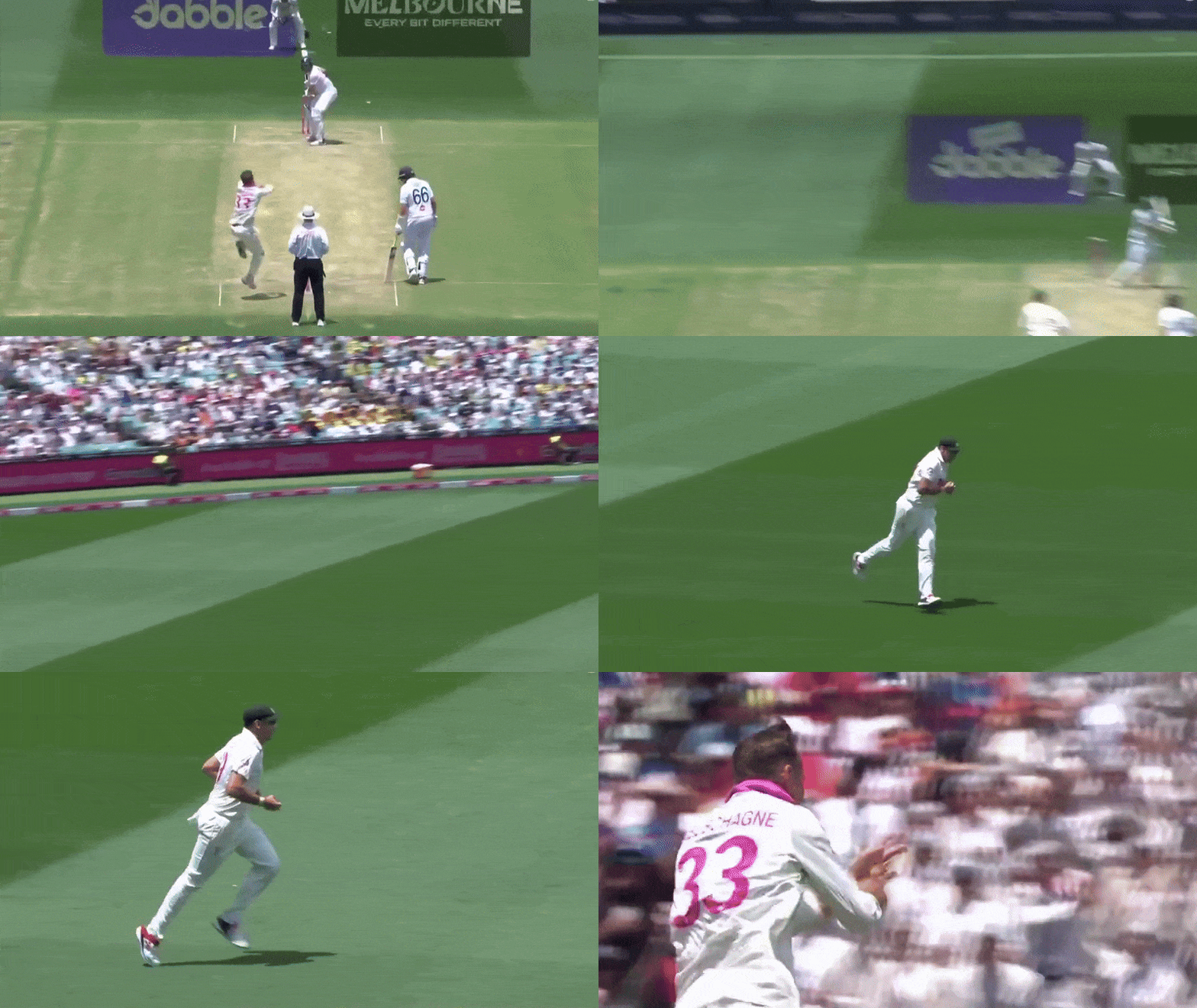
Smith played the worst shot of the tour in Sydney
TNT SPORTS
They had both looked exhausted at the end of the five-Test series against India but chose to play in the Hundred afterwards. They were both then rested for the T20 series against South Africa in mid-September, meaning that the white-ball matches in New Zealand, which preceded the Ashes, took on great significance.
The ODIs in New Zealand did not go well. Duckett made scores of 2, 1, and 8; Smith made 0, 13, and 5. In successive games England were 33 for five, 81 for five and 44 for five. The intention was that the batsmen would use the ODI series to find form for the Ashes, but damp, early-season pitches in New Zealand, and a lack of form, put paid to that. Joe Root averaged under ten there, too.
Brendon McCullum made light of it at the time saying: “It’s a different form of the game and it’s a completely different kind of challenge that we’re going to be confronted with. That’s what we’re holding on to anyway. Jamie Smith, Joe Root and Ben Duckett, they’ll be better for the run. They’ve marked centre a few times and gone through the process. I’m sure they’ll be better for it. We’ll have no excuses come Australia.”
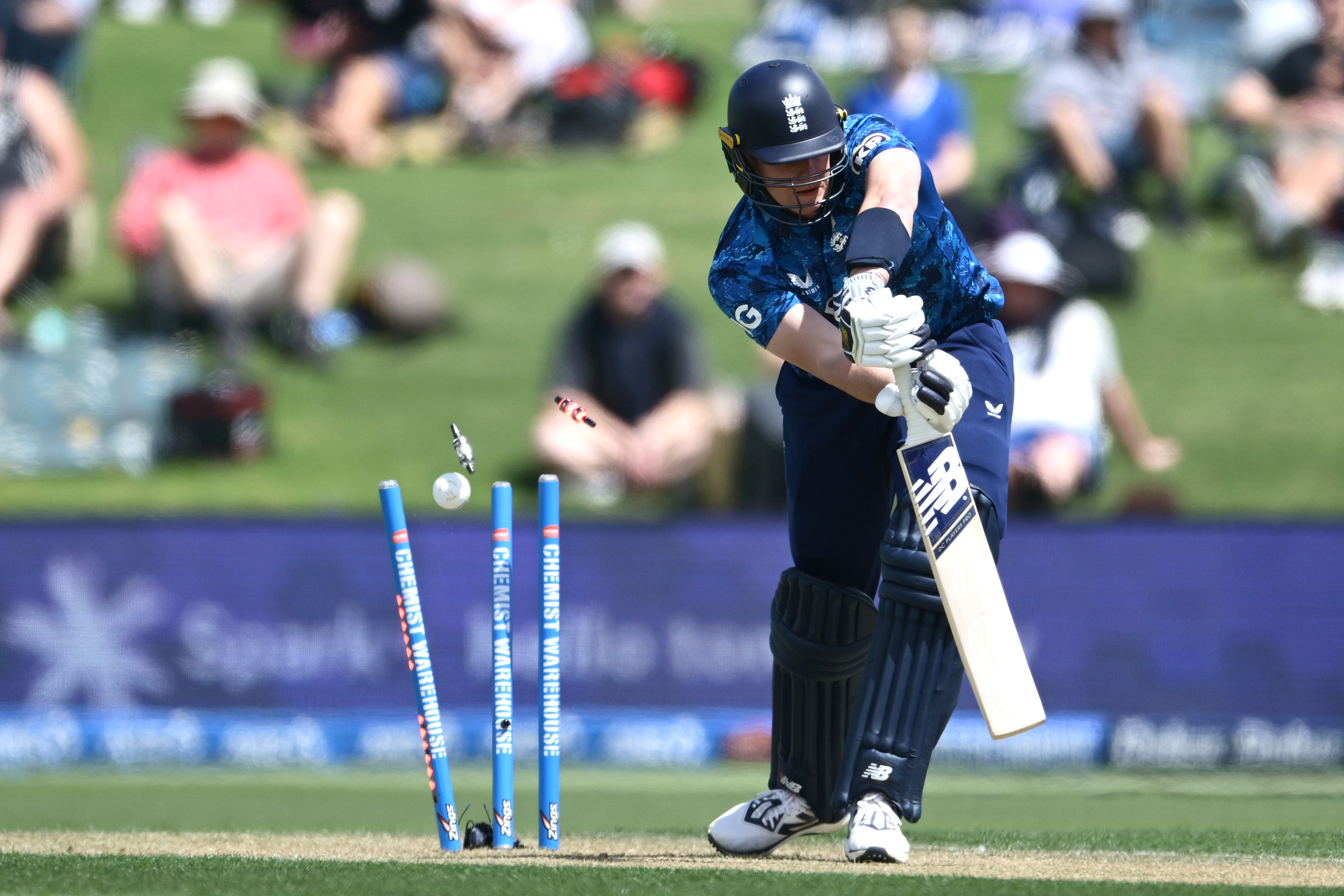
A 3-0 whitewash in the New Zealand ODIs was a warning of things to come as England’s batsmen looked vulnerable
HANNAH PETERS/GETTY IMAGES
Whether McCullum really believed as much, who knows? Scratching your guard is hardly rigorous preparation for the Ashes, but what happened in New Zealand put even greater emphasis on the ten-day build-up period in Perth. To wit, they then practised at a club ground, Lilac Hill, where the pitch and nets did not replicate to any degree the pace and bounce they would encounter at the Optus Stadium.
While the tour to New Zealand was signed off before Rob Key, Ben Stokes and McCullum were involved, they could have pivoted had they wished by sending a separate white-ball team. McCullum, though, had seen his brief extended to include white-ball cricket at the end of the summer of 2024, the T20 World Cup is imminent, and there has been a desire to bring the white-ball and red-ball set-ups closer together. Extending McCullum’s brief has been the biggest strategic mistake of Key’s time in charge.
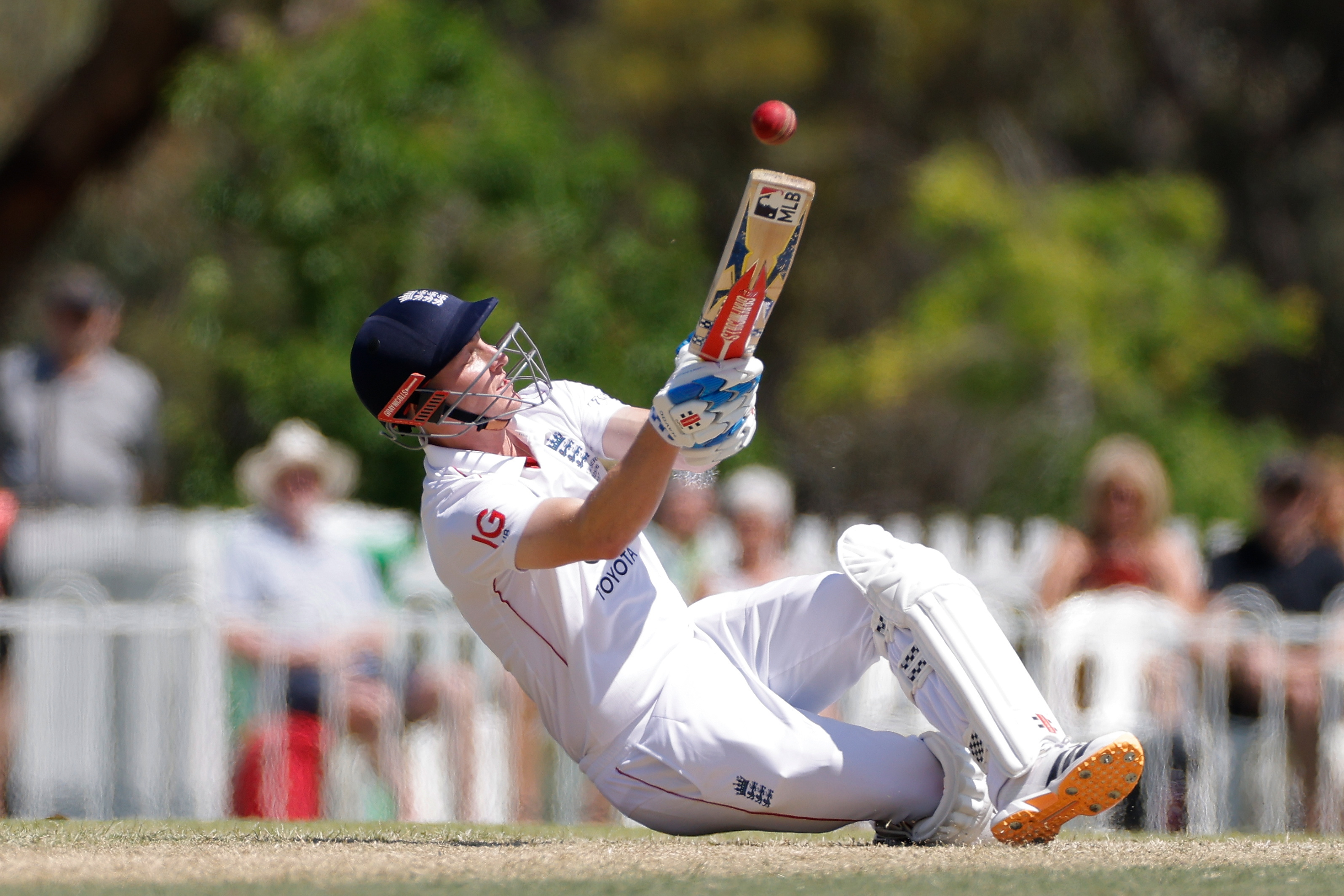
The three-day warm-up against England Lions provided little adequate practice, with McCullum’s side opting not to play local opposition and Brook not appearing to take proceedings entirely seriously
RICHARD WAINWRIGHT/EPA
Sinking in Perth and backing away from Bazball
Cricket Australia had originally offered a competitive match as part of the build-up in a different state, but England wanted to stay in the same time zone in Western Australia. They had been told the old Waca ground, with its fast and bouncy nets, was not available as there was a Sheffield Shield game taking place there. They made do.
Although communications between the ECB and Cricket Australia around future Ashes tours suggested a hint of buyer’s remorse, England largely got the preparation they had utilised on previous tours under McCullum and Stokes, controlling their own environment and playing an intra-squad game. It proved to be a significant blunder — which Key and McCullum owned up to mid-tour — one that left them underprepared for what was to come. It meant they were playing catch-up throughout the tour.
The only competitive warm-up fixture was at Lilac Hill against the England Lions. Stokes’s six wickets in that match, mostly caught from long-hops, illustrated the feeble nature of it and there was an early warning sign that Shoaib Bashir, the young off spinner who had been groomed for two years for this tour because of his high release point and overspin, was struggling. He took two for 151 in the match and was given brutal treatment in the second innings by the Lions’ batsmen.
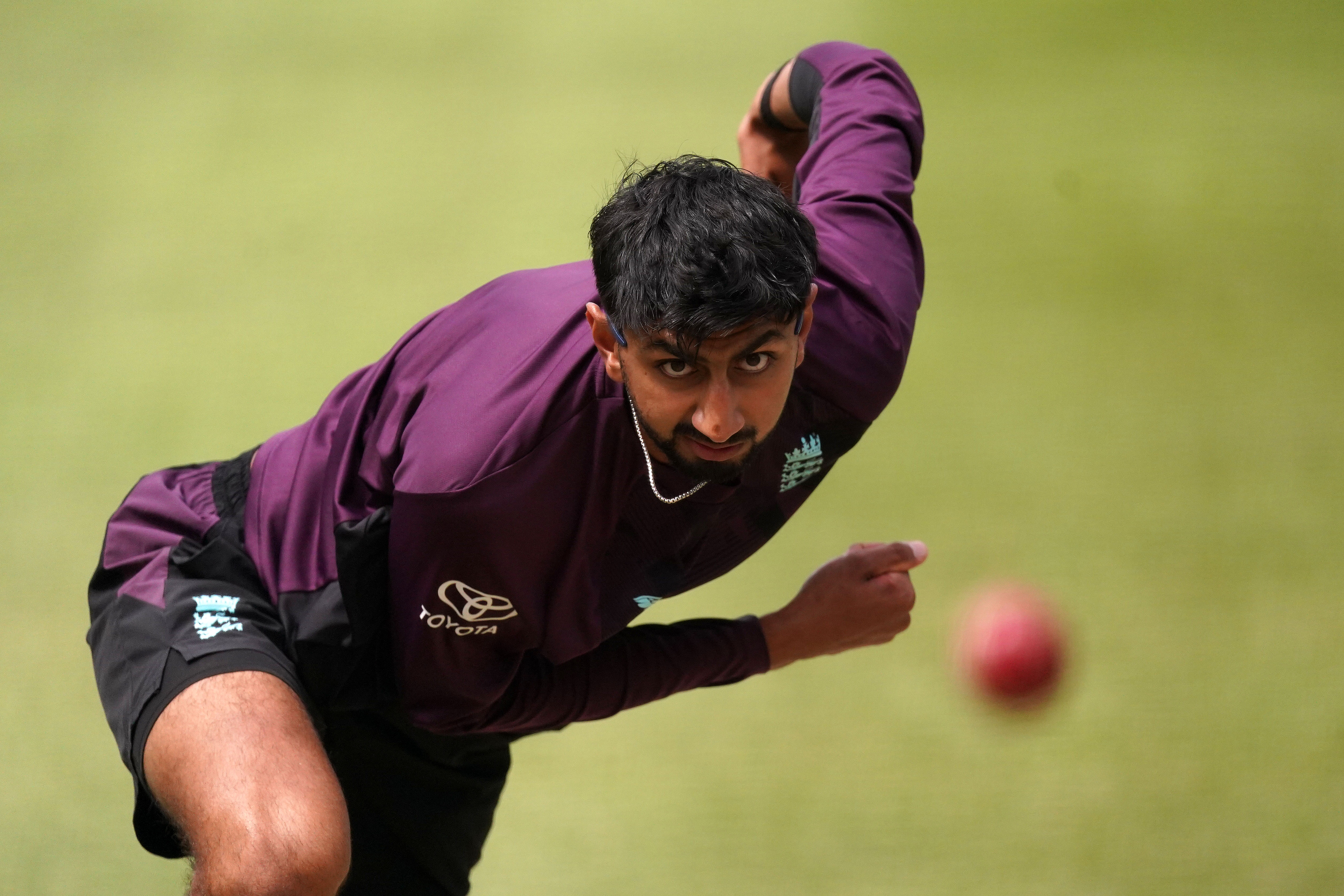
Having been groomed for the tour, Bashir did not play a single Test
ROBBIE STEPHENSON/PA WIRE
Bashir was then omitted at Perth for a two-day shoot-out and was not trusted to play a single Test. Stokes won the toss at Perth — he won four tosses throughout the series — and chose to bat. In the early days of Bazball he would probably have chosen to bowl — after all, batting second worked in the other two-day shoot-out at Melbourne. Was this an early sign of Stokes blinking and backing away from his instincts?
There were other signs, too. By the end of the tour Stokes’s strike rate with the bat, 36 runs per hundred balls, would be the lowest of any batsman on either side. After he put down anchor in sweltering temperatures in the third Test at Adelaide his opposite number, Pat Cummins, chided England for “shutting up shop” on a flat pitch, a telling dig at a team that had lost faith in their method.
If there was one passage of play that did for them and was to resonate for the rest of the series, it was immediately after lunch on day two at Perth, when they led by 99 runs, one wicket down. To a series of ill-judged shots, reflecting the lack of readiness for the extra bounce of the Perth pitch, they lost four wickets for 11 runs in 19 balls, to set in train a car crash of a day that would end, remarkably, in defeat.
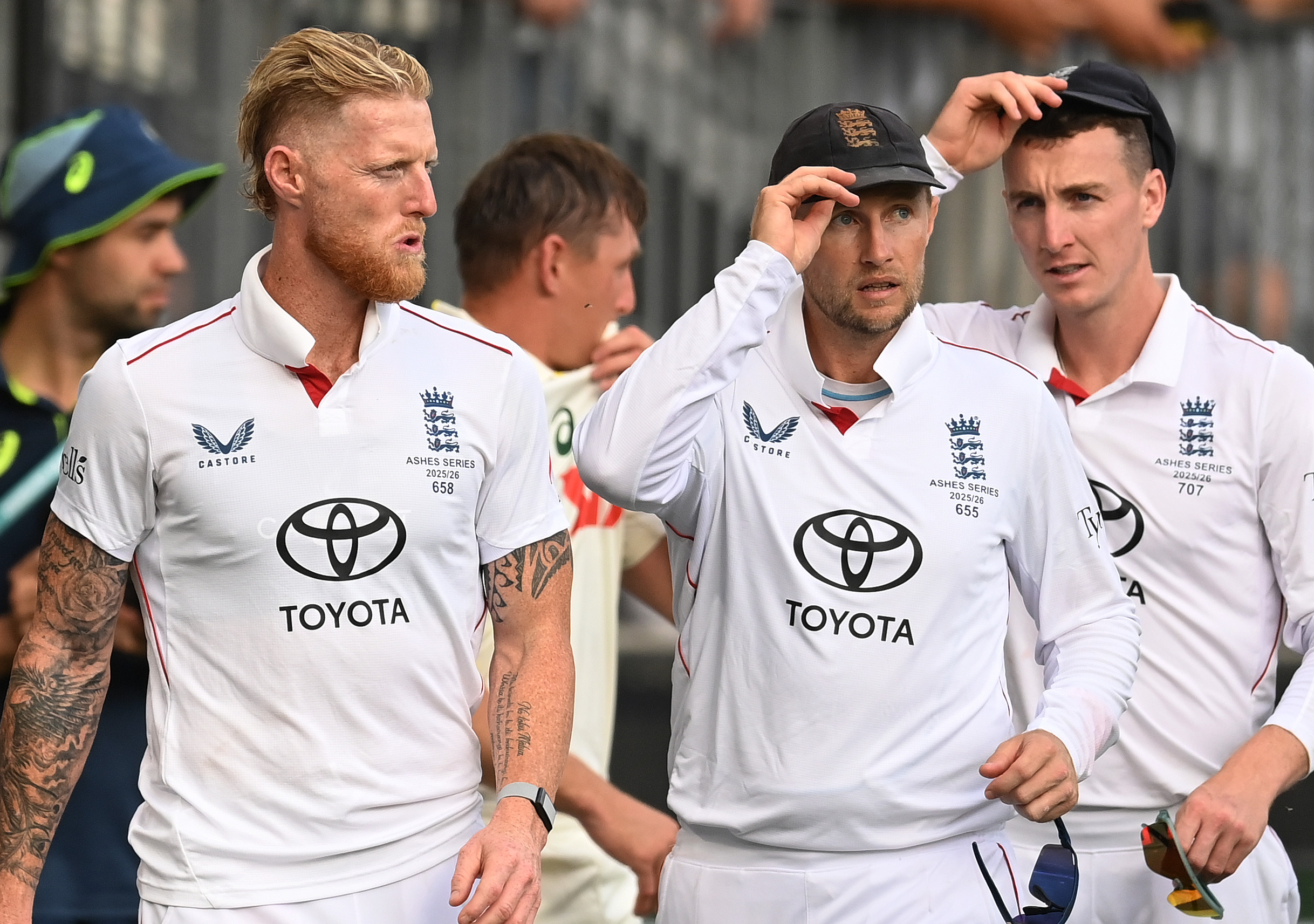
England never got over a sudden two-day defeat at Perth which highlighted a lack of match conditioning
PHILIP BROWN/GETTY IMAGES
As that session began, Luke Wright and Key, selector and managing director respectively, began a lap of Lilac Hill, where the Lions were playing. By the time they made it back to the pavilion the Test was effectively over. With Usman Khawaja suffering back spasms, Australia gambled by opening with Travis Head and his blistering hundred, the second fastest in the Ashes, sealed a two-day victory that, Stokes said, left England “shell-shocked”.
They never recovered from that and never found a way of dealing with Mitchell Starc and Head, who were the chief architects of Australia’s win. Starc, man of the match for his ten wickets in that Test, would end up man of the series for his 31 wickets at an average of under 20, although Head ran him close with two more hundreds and 629 runs overall at 63. They had England’s measure.
Starc, 35, was to play all five Tests, as did Scott Boland, 36, and their speeds did not falter from first game to last. A worrying sign for England in Perth was how quickly the speeds of their own quick bowlers dropped off between the first innings and the second. Was it pressure or a sign of the lack of match conditioning?
Damien Fleming, the former Australian bowler turned self-styled “bowlologist”, delved into England’s bowling by highlighting, on Channel 7, the workloads in first-class cricket of the respective attacks between August and the Perth Test: while Australia’s had been primed in Sheffield Shield cricket, only Gus Atkinson, with 66 overs, made the list for England. None of Jofra Archer, Brydon Carse, Stokes or Mark Wood had bowled in first-class cricket between the beginning of August and the start of the Ashes.
The warning signs for Wood were there at Lilac Hill, when he reportedly felt hamstring soreness, although a scan cleared him of injury. He played in Perth and bowled 11 overs but reported soreness in his left knee afterwards. Perth was Wood’s first first-class game for 15 months and it came as little surprise when he was ruled out of the series before the second Test in Brisbane. McCullum is a renowned lover of a punt; this was a punt too far.
By the end of the series, England’s vaunted plan to hit Australia with pace would be in tatters. Archer lasted three Tests before flying home with a side strain. Atkinson injured his hamstring in Melbourne and also flew home. Matthew Potts, not selected throughout 2025, was probably about ninth choice during the summer but ended up playing the last Test in Sydney, where he produced some of the worst figures (25-1-141-0) ever by an England seamer going wicketless in a Test match.
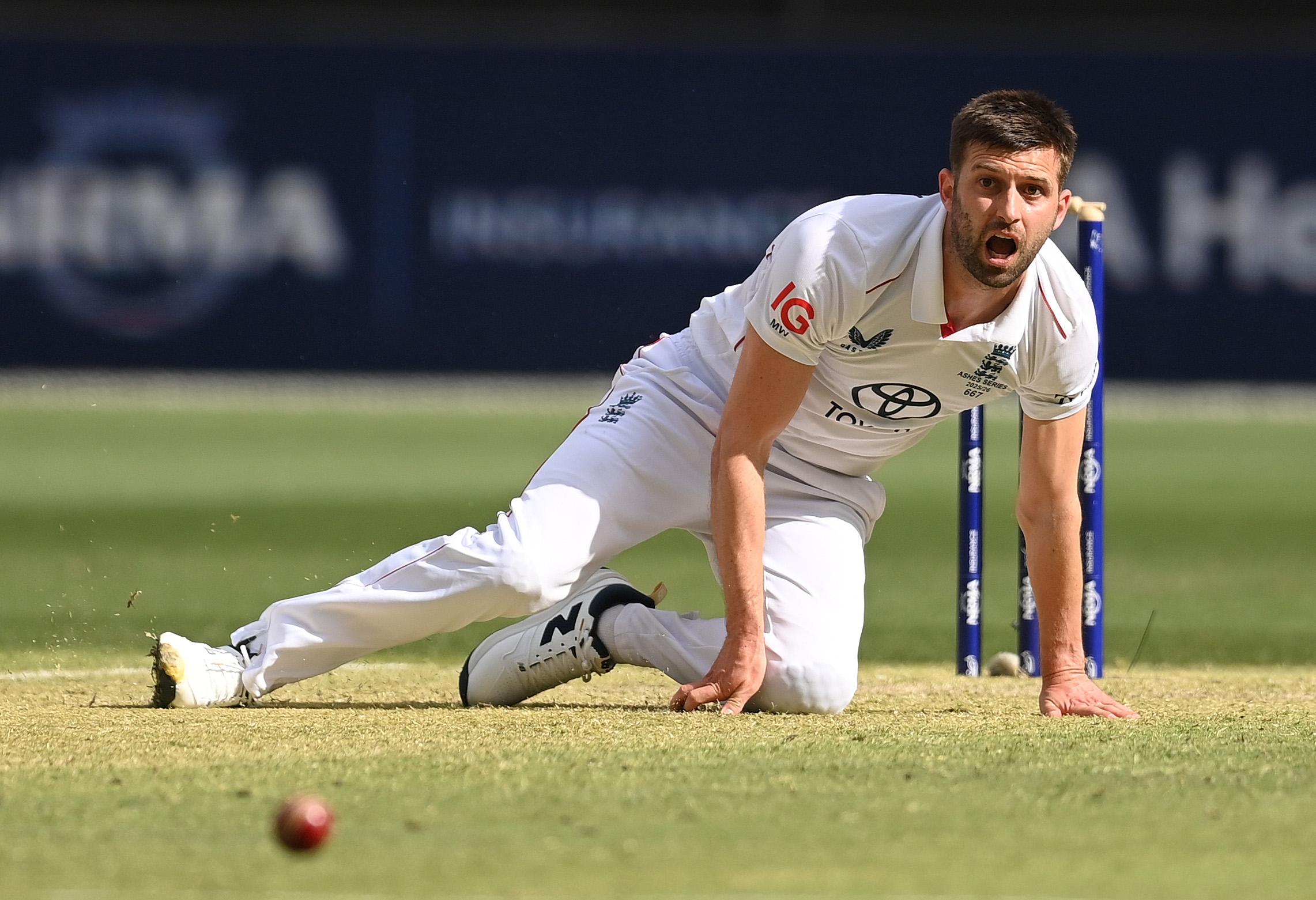
Wood’s pace had been a highly valued asset for the series but the fast bowler played only the opening Test before his injury curse struck again
PHILIP BROWN/GETTY IMAGES
England’s fielding creaks as McCullum blames ‘overpreparation’
The tour itinerary came under scrutiny after Perth. Having had no first-class cricket by way of preparation, there was little cricket on offer in the long breaks between the first and second Tests, and between second and third. England had long planned to send the Lions to compete in the traditional two-day fixture against the Prime Minister’s XI in Canberra, but the early finish to the Perth Test opened an opportunity to get some pink-ball practice before the day-night Test in Brisbane.
In the event, only Tongue, Bethell and Potts were sent to Canberra. Given the completely different nature of the conditions this was fair enough, but it meant that the wicketkeeper Smith, who had never played in a pink-ball game before, would be doing so for the first time. In a Test match. At the Gabba.
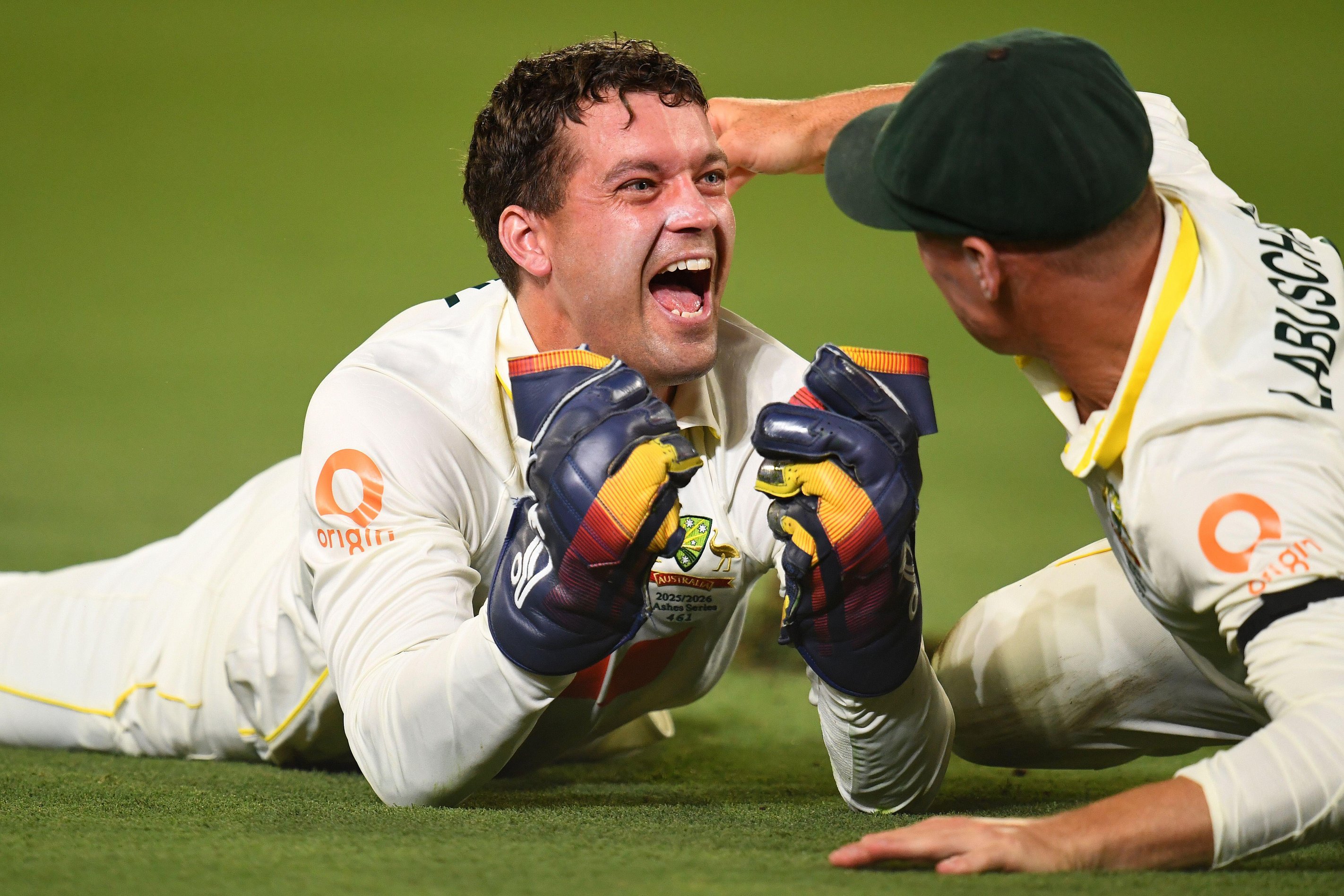
The excellence of Carey behind the stumps further highlighted England’s poor out-cricket
JONO SEARLE/AAP IMAGE
Smith put down Head early on the second day in the second Test, after which he was jeered from start to finish by the most raucous crowd in Australia. It was a rough start to his Ashes series. To make matters worse his opposite number, Alex Carey, put in a virtuoso performance behind the stumps, standing up to the seamers to keep England’s batsmen tethered to the crease.
That was a tactic Australia had worked on, as a way of preventing batsmen charging Boland in particular, as they had done in England in the summer of 2023. Carey was one of three Australian players, along with Head and Starc, who was outstanding throughout. He made an emotional hundred on his home ground in Adelaide and did not put a foot wrong with the gloves.
England’s fielding, by contrast, began to creak. They had arrived in Australia without a fielding coach because Paul Collingwood, who has not worked with the team since May last year, had not been replaced. McCullum had pared back the number of voices around the team, which he felt was excessive when he first arrived in the job.
The backroom staff with responsibility for cricket consisted of Marcus Trescothick, the batting coach, Jeetan Patel, the spin-bowling coach, and David Saker, the fast-bowling coach. Saker was a late appointment in October because Tim Southee, the designated fast-bowling coach, had signed to play franchise cricket, and Saker had little prior working relationship with the bowling group.
Trescothick caused general disbelief after stumps on day three at Brisbane, when he said there had been no discussions between him and the batsmen after Perth about driving on the up in Australian conditions. Of course, what is said privately and publicly may be two entirely different things, but the comments added to the impression of a group of players reluctant to be accountable for failure or learn from mistakes.

Will Jacks’s drop in Sydney capped off a miserable tour in the field for England
TNT SPORTS
There had been a noticeable drop-off in intensity of the fielding sessions and, historically, fielding has been a litmus test of England’s readiness in Australia, with the hotter sun and bigger grounds. All told, England would drop five chances in Brisbane — they dropped six in the day-night Test in Adelaide four years before — and 15 catches of varying degrees of difficulty over the course of the series. Australia’s fielding was exceptional.
The first signs that McCullum and Stokes were reading from a different script came after the defeat in Brisbane. Stokes gave an excoriating interview after the match when he told the BBC: “There is a saying that we have said a lot here: Australia is not for weak men. A dressing room that I am captain of is not a place for weak men either.” McCullum’s reaction was rather different, as he said, in a tone-deaf comment, that his players had been “overprepared”.
A ‘belting time’ in Noosa
Another long break fell between Brisbane and Adelaide and England had long planned a mid-tour, four-night sojourn in Noosa, on Queensland’s Sunshine Coast. A handful of journalists followed the team to the town, along with local television and news crews. Little was written contemporaneously, and criticisms of behaviour there came after the Ashes were done in Adelaide, which suggested it was a stick to beat them with in defeat after the event.
Nevertheless, the optics of the trip, given the 2-0 scoreline, did not look good. It was naive in the extreme to choose a small town like Noosa, with little cover and high visibility, instead of allowing the players to use their spare time in a city like Sydney, say, where they could have melted into the background far more easily. Instead, a core were seen spending time at a beach bar and later Harry Brook admitted they had enjoyed a “belting time”.

Brook had an underwhelming tour with the bat and was fined after an altercation in New Zealand before the Ashes
MARK BAKER/AP PHOTO
We now know that Brook had already been disciplined, fined the maximum amount and put on a final warning after becoming involved in an altercation with a bouncer in Wellington on the eve of an ODI, three weeks before the Ashes began.
His humbling apology hours after the final Test for embarrassing behaviour that, he said, let his team-mates, coaches and supporters down, became the last formal communication from a player on a shambolic tour. For all the focus on the management, the players themselves should not be absolved of individual responsibility. This is a tour they should regret long after they finish playing.
What comes next?
The Ashes were lost in Adelaide, after 11 days of cricket, amid more scattergun bowling, flaky batting and ordinary fielding. It left Stokes, who handled himself with credit throughout, facing what he described as his “toughest” time as an England captain in the build-up to the fourth Test in Melbourne and Key facing questions around the broader environment; its rigour, attention to detail, behaviour and professionalism.
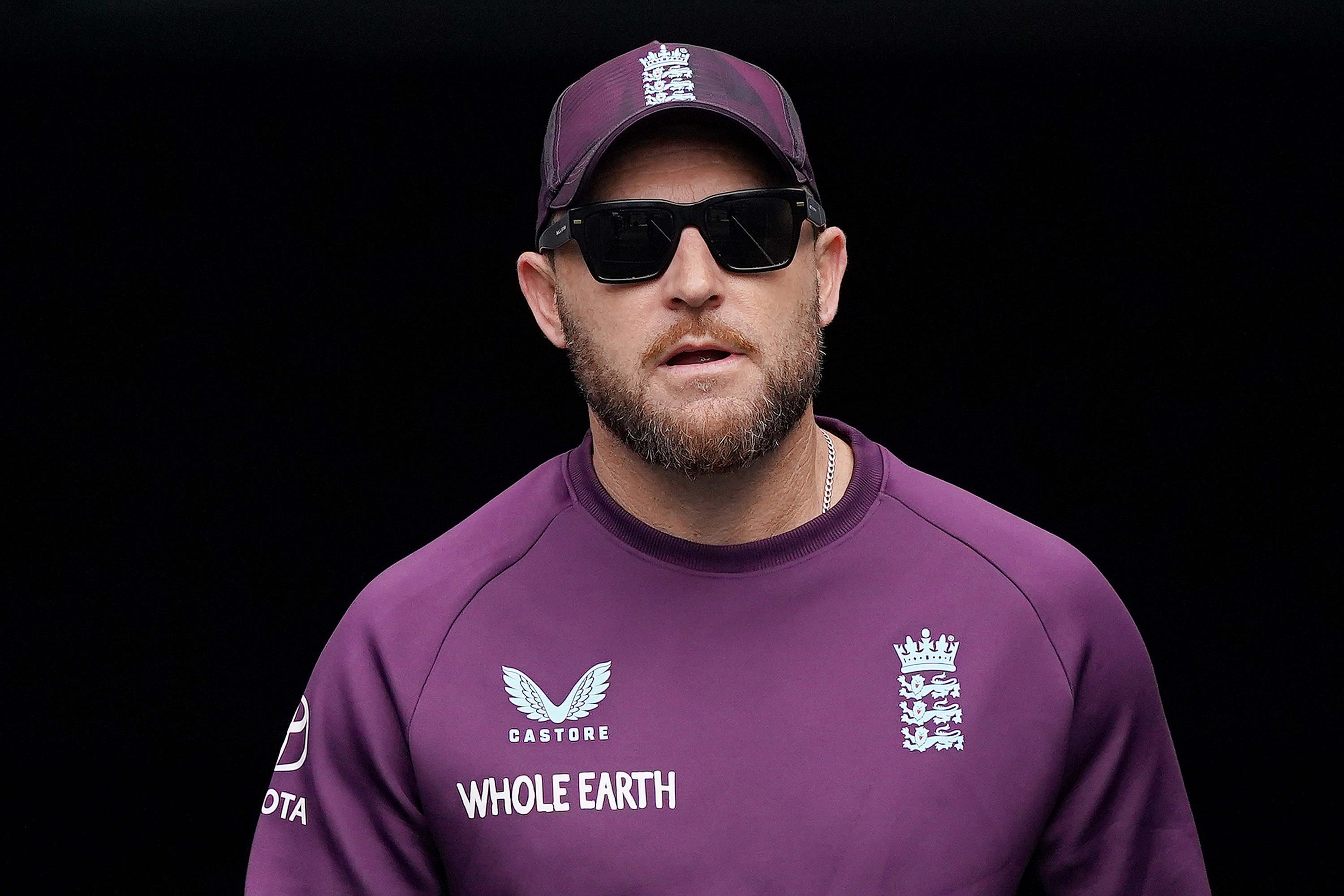
Head coach McCullum may be lucky to survive the ECB’s review of the tour
ROBBIE STEPHENSON/PA WIRE
When Key brought together McCullum and Stokes in early 2022 he did so with the words: “Buckle up and get ready for the ride.” And it was a wild, hugely enjoyable ride for the first two years, producing some of the most memorable cricket ever seen from an England Test team. A core of senior players, such as Jimmy Anderson, Stuart Broad and Jonny Bairstow, thrived in a more liberated environment, but this is a different team: younger, less established, more naive and less mature in cricket and life, and therefore in need of direction and a firmer hand on the tiller.
Now comes the review, which Key and McCullum will be lucky to survive, and the inevitable swing of the pendulum again. In the Ashes of 2013-14, a great team which were committed to the most intense high-performance environment and driven by a dictatorial coach, Andy Flower, completely imploded amid player burnout and recriminations. Here, in the Ashes of 2025-26, a polar-opposite team, given freedom and encouraged to embrace a no-fear, no-consequence approach to the game, under a hands-off coach, did the same.
In this day and age, with the world lurching left and right, the middle ground is a lonely place to be, but it is the sensible middle way, somewhere between the extremes of 2013-14 and 2025-26, that needs to be embraced again.