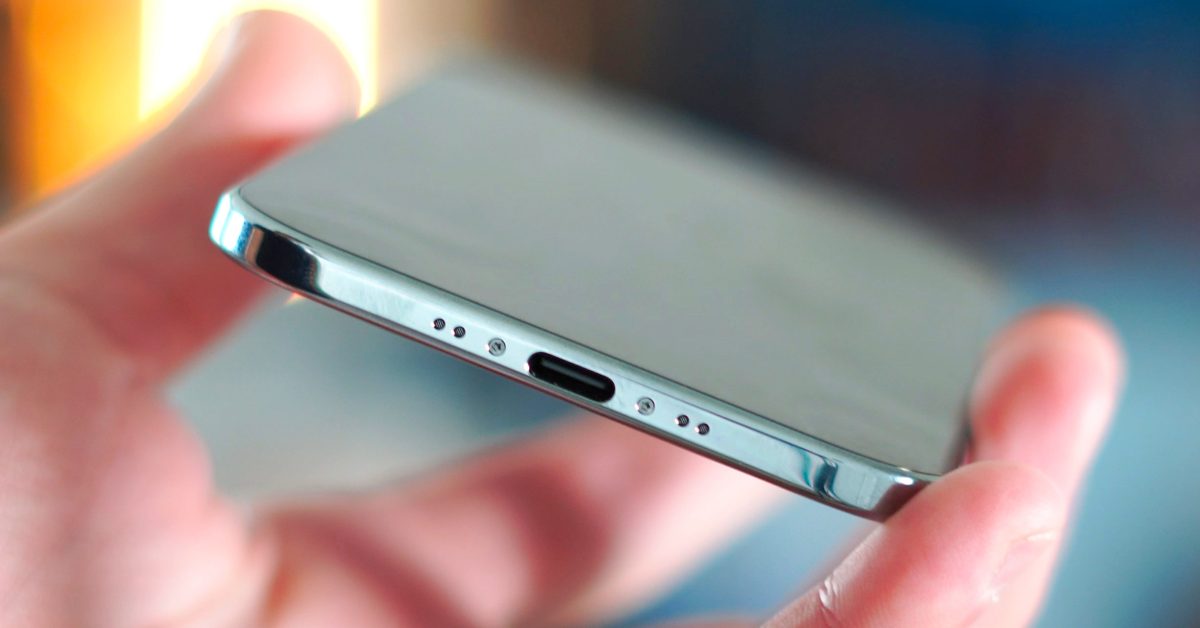
The iPhone Air is the most exciting iPhone Apple has released since the iPhone X. It’s thin, lightweight, and amazingly designed, and for the first time in a long time, it’s different. Apple’s iPhone lineup has felt increasingly redundant. The iPhones have all looked and felt the same since the iPhone 11 lineup. So, excuse the pun, but the iPhone Air has been a genuine breath of fresh air. It prioritizes feel, design, and experience over chasing specs, and that is what makes it special. I put my main SIM card in the iPhone Air and, initially, I loved it. But after living with it day in and day out, two issues slowly but consistently stopped me from fully committing.
Be sure to check out our hands-on video with the iPhone Air and why I couldn’t fully commit.
My initial experience with the iPhone Air
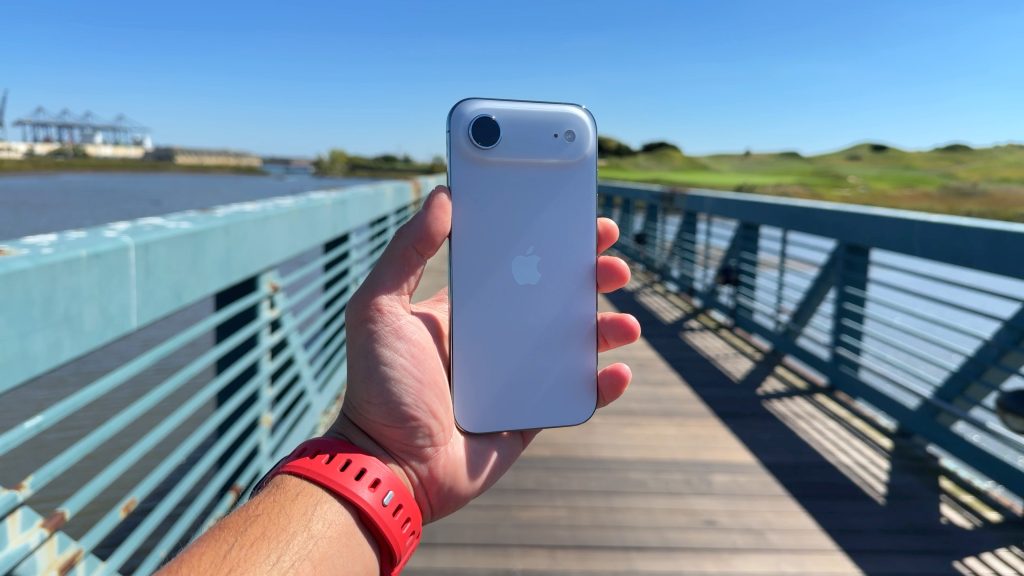
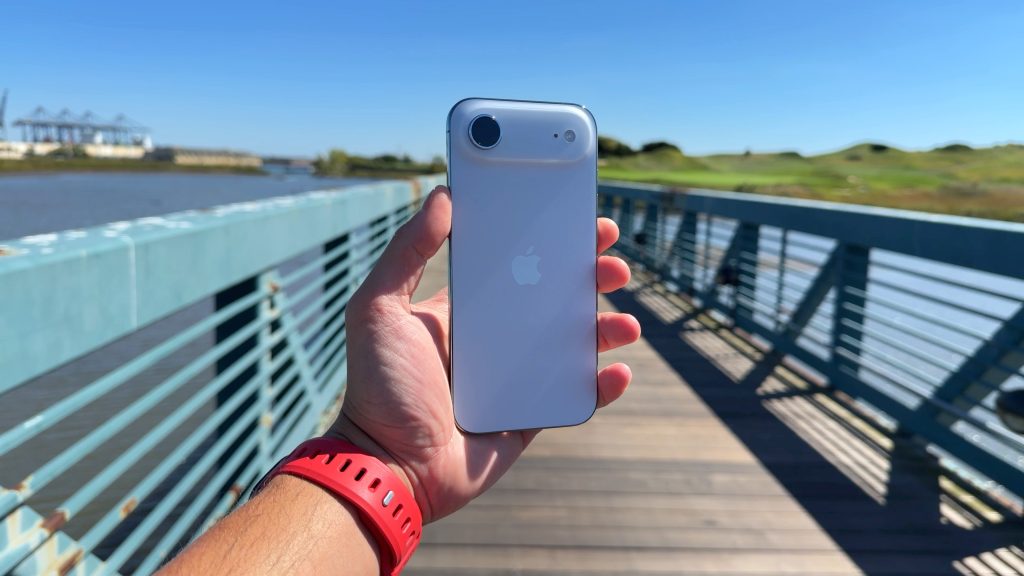
If you are yet to hold an iPhone Air, I highly recommend going to an Apple Store and picking one up. The phone feels incredible the moment you hold it, especially if you have been using Pro iPhones over the last few years. It is easily Apple’s best-looking and feeling iPhone since the iPhone X. They did a great job of making this iPhone feel like a piece of jewelry, more so than a piece of tech.
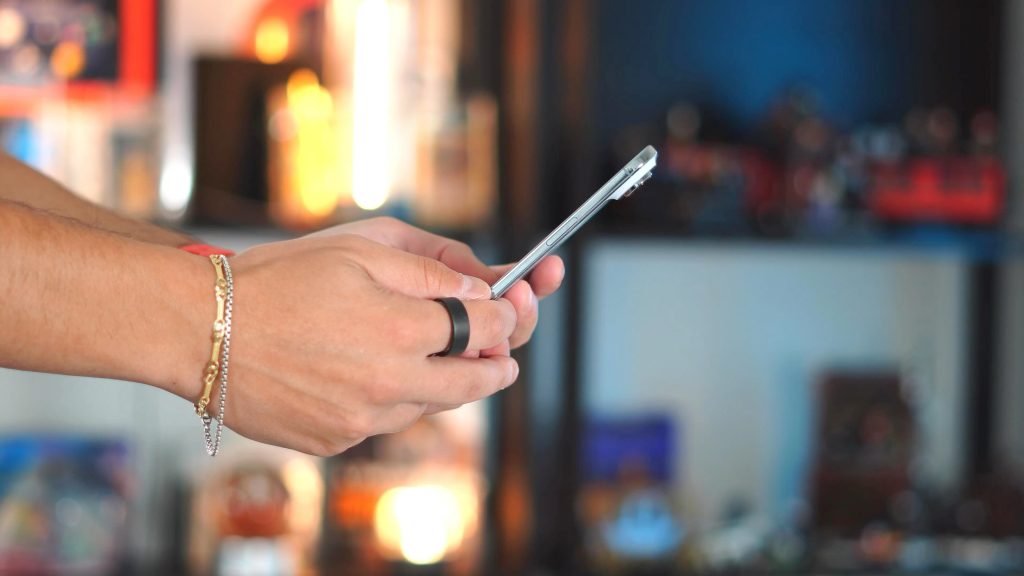
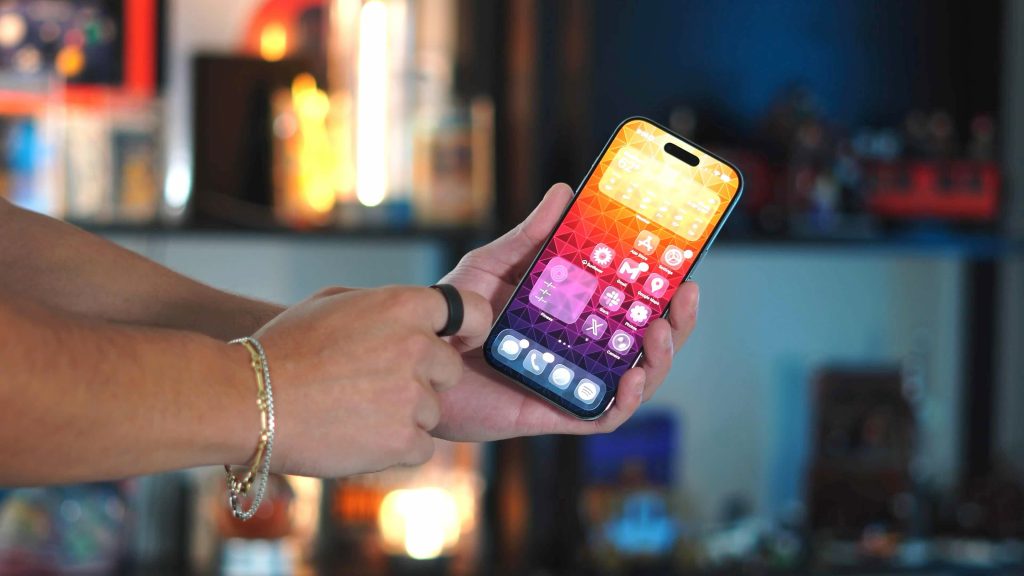
Performance is also excellent. You still get Pro-level features like the 120Hz ProMotion display, the A19 Pro chip, and Apple’s latest modem. Day-to-day use is fast, smooth, snappy, and really enjoyable. You do not feel like you are missing any power compared to the Pro-level iPhones. It’s incredible how much performance they were able to fit into such a thin and lightweight phone. It handled everything I threw at it from communication tasks, to content consumption, photo editing, and even some light gaming!
However, as the weeks turned into months and the initial wow factor began to wane, some of the compromises that Apple had to make started to show.
The USB-C port problem
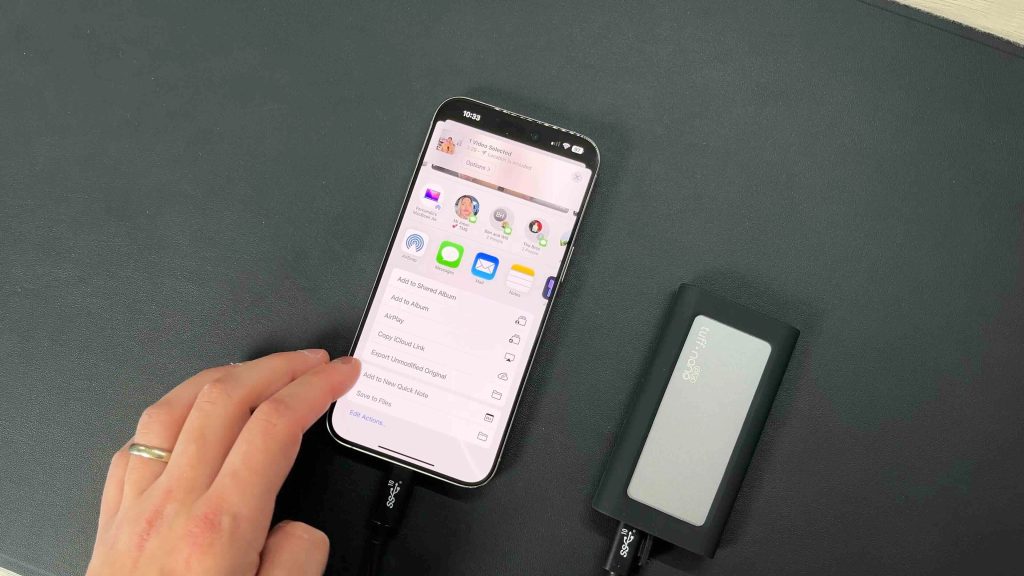
There were two issues I began to notice with the USB-C port compromise Apple went with. The first issue is that Apple decided to use a USB 2.0 controller for data transfer speeds. On paper, this doesn’t sound like a big deal. For many people, it won’t be. But if you use your iPhone for video, photography, or any kind of content creation, it becomes painfully obvious. For context, USB 2.0 speeds are limited to a maximum of 480 Mbps. For a $1000+ phone in 2026, that seems criminal. Especially when file sizes are getting larger and larger. Pro-level iPhones have USB 3.0, which is 10x the speed of USB 2.0.
I am someone who regularly shoots 4K and HDR video on my iPhone and offloads large files to external SSDs. On the iPhone Air, that process is slow and frustrating, especially if you’re coming from a Pro model. Funny enough, I found AirDrop to be faster than using a cable, which shouldn’t be the case. So moving a 10GB file off of my iPhone takes far too long.
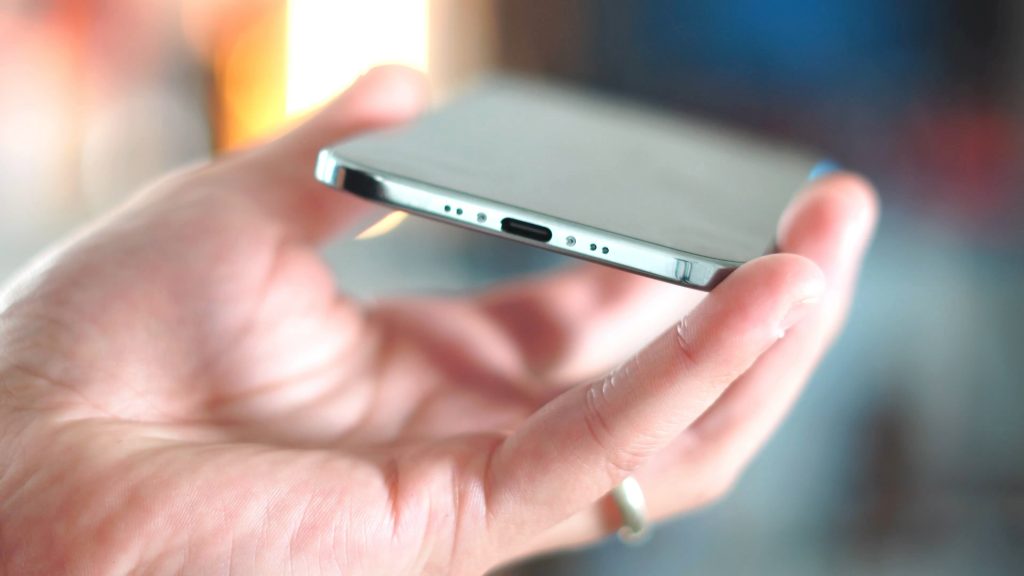
The second issue, not as big of an issue, is that charging is also slower. Wired charging tops out at 20W for the iPhone Air. If you work at a desk or have access to an outlet throughout the day, then this isn’t a huge issue. But if you need to quick charge for 20 minutes before heading out, you won’t get nearly as much juice as you would from a Pro-level iPhone.
The single-camera situation
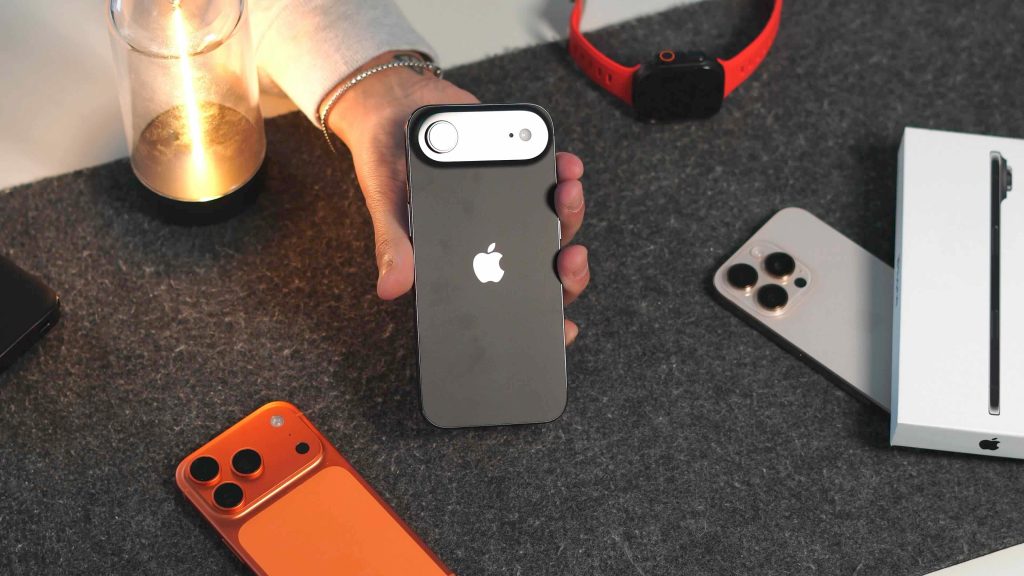
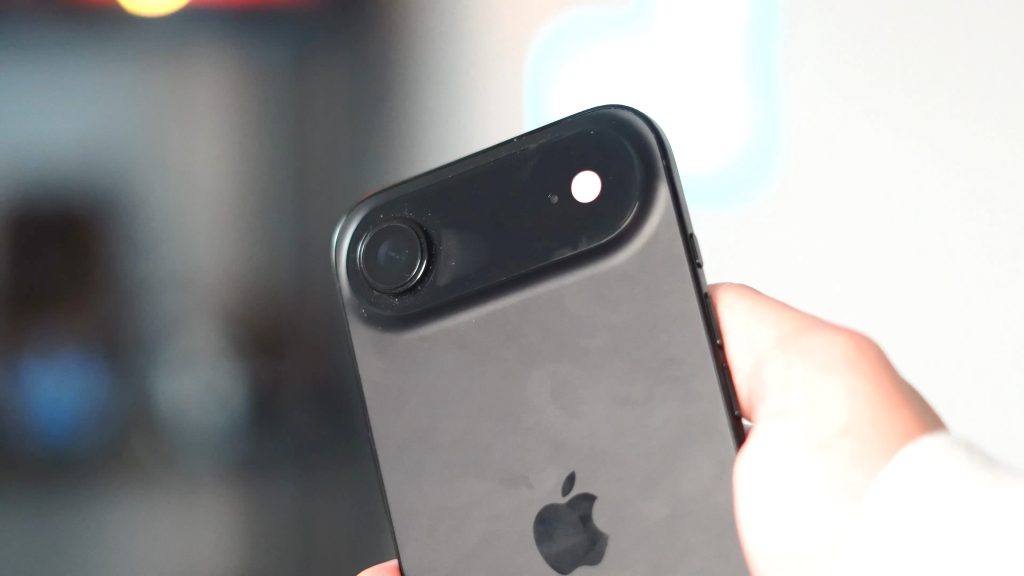
When you decide to get an iPhone Air, the most obvious compromise is that there is only one camera. It is a high-end 48MP wide lens that is great for certain situations. As long as you don’t need to zoom, in most conditions, you’ll get great results for both photos and video. They even look great when you use the 2x “optical” zoom. But over time, I really started to miss the extra lenses for both personal and professional use.

The lack of an ultra-wide camera became noticeable, especially in everyday situations. As a parent, I often want to capture moments up close, where the ultra-wide lens makes a big difference. Without it, I found myself physically moving awkwardly just to frame a shot. Same thing with the telephoto. On Pro iPhones, being able to zoom in optically for events, kids’ activities, or candid moments is incredibly useful. Once you go beyond 2x on the iPhone Air, image quality drops significantly.
Again, I knew what I was getting myself into when I got the iPhone Air, but over time, it began to be a nuisance.
Final thoughts
The iPhone Air by no means is a bad phone. If anything, it’s a fantastic one that really spices up the iPhone lineup. It’s bold, beautiful, and genuinely different. More options are always beneficial for consumers, and I applaud Apple for trying something new. But between the slow USB-C speeds for charging and data transfer and the gradual realization that one camera wasn’t enough for how I use my phone, I couldn’t fully commit.
With all that said, I understand why people would gravitate to this device. It feels like the future. If you value the design, slimness, portability, and don’t rely heavily on data transfers or advanced camera features, the iPhone Air makes a lot of sense. It’s not trying to be a Pro, and that’s okay. It just took me a few months to realize the compromises matter more to me than I hoped they would.
Maybe the iPhone Air 2 will alleviate some of these issues. But who knows? What do you think?
Best Apple deals


FTC: We use income earning auto affiliate links. More.