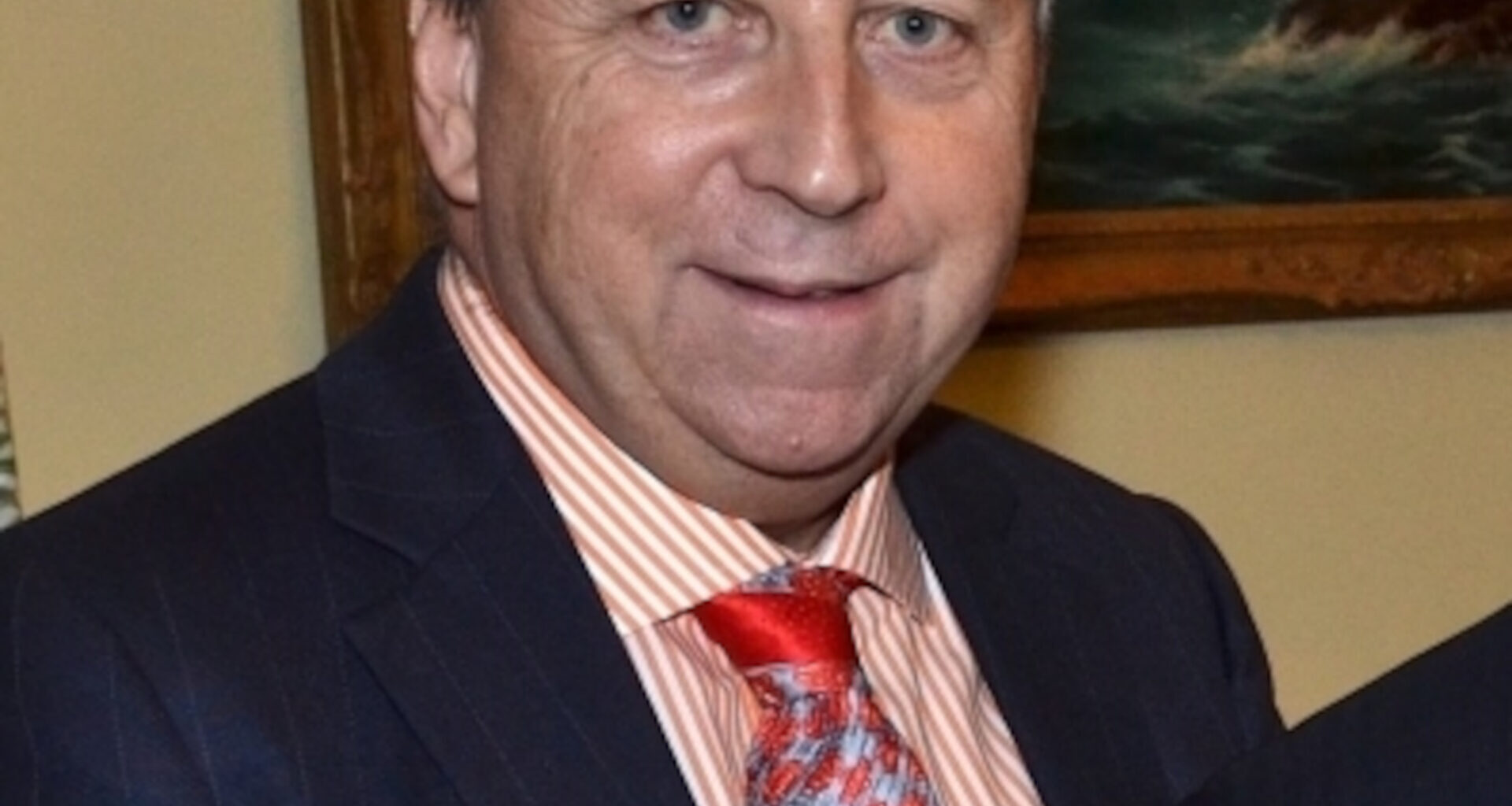
THE Edinburgh University Student Association (EUSA) has challenged suggestions from the university’s principal, Peter Mathieson, that Scottish students should pay back parts of their tuition fees, despite guarantees of free tuition.
In an interview with BBC Scotland, Mathieson claimed that due to the unsustainability of the funding model for Scottish universities, a “graduate repayment scheme”, contingent upon salary, could be introduced.
This would see avenues opened for higher earning domestic graduates from Scottish universities to pay back parts of their tuition fees, despite the Scottish Government’s guarantee of free university tuition.
The EUSA has hit back at these ideas, expressing disappointment with Mathieson’s “simplistic” comments, which “shift the burden” onto Scottish students.
 Peter Mathieson has come under fire yet again, this time for suggesting Scottish students could pay back parts of their tuition fees (C) Consulate General of Japan in Edinburgh / Wikimedia Commons
Peter Mathieson gave a long interview to the BBC yesterday, complaining that Scotland’s existing funding model is “not sustainable”, and calling for a radical change in thinking about funding and tuition fees north of the border.
He told the Scotcast podcast: “”I think Scotland’s universities are magnificent and they’re in danger and they need to be protected.
“And they need to be protected by looking at the way in which they’re funded.”
He added: “If you stick with this system of taxpayer-funded education, then it’s perfectly possible to continue that system.
“But you’ve got to put more money into it or you’ve got to change the number of places that are being funded. Both of those are politically difficult.
“One other alternative is that some of those students make a contribution to the costs.
“They can either do it in the form of tuition fees, or they can do it in the form of some kind of graduate repayment scheme, and it can be contingent upon salary.”
Strike action has been ongoing at the University of Edinburgh since early last year, when the university announced £140m worth of cuts and “radical university-wide actions,” leading to “a smaller staff base and lower operating costs”.
Three rounds of strike action followed before a breakthrough in negotiations was made following the university’s commitment to no compulsory redundancies.
EUSA, who represent the student body, stood in opposition to management and Mathieson during the strikes, and have again expressed their antipathy to Mathieson’s suggestions.
Speaking today, Ash Scholz, EUSA president said that Mathieson, one of the highest paid university officials in the country, was shifting the financial burden onto Scottish students at a time when they can ill-afford it.
They stated: “It’s absolutely right to acknowledge that the current funding model for higher education in Scotland is under severe strain.
“Universities across the country are facing significant financial pressures, and students are not blind to the reality that the system as it stands is unsustainable in the long term.”
They added: “However, although we share this concern, we are disappointed with Peter Mathieson’s comments as reported, which feel simplistic for an issue this complex.
“The funding crisis cannot be addressed by shifting the burden onto Scottish students.
“Free tuition is a longstanding political and social commitment in Scotland, and it has been fundamental in widening access to higher education.
“Any proposal that asks Scottish students to ‘repay’ tuition costs, regardless of how it is framed, risks undermining that principle and placing additional financial pressure on graduates at a time when many are already facing rising living costs and insecure employment.”
Scholz outlined alternative solutions to Scotland’s funding shortfalls, which have seen Dundee University bailed out by the Scottish Government to the tune of £40m.
They said: “Solutions to the funding crisis must come from government and from meaningful reform at a systemic level, not from asking students to shoulder the cost.
“Scottish students did not create this situation, and they should not be the ones expected to pay for it.”
 A reported £140m funding black hole led to threats of painful cuts and sustained strike action in 2025 (C) Greg Headley / Wikimedia Commons
The Scottish Government scrapped the graduate endowment scheme in 2008, making university tuition effectively free for Scottish students, and sustained free tuition has been one of the landmark education achievements of the SNP since coming to power.
The Scottish Government is, however, exploring its options regarding higher education funding.
Higher and further education minister Ben Macpherson said: “The Scottish Government’s commitment to free tuition is resulting in around 37,500 Scots securing university places in 2025, with record numbers of those from the most deprived areas.
“Scottish student debt levels are also the lowest in the UK and more than £21,000 lower on average compared to students in Wales.
“The Scottish Government recognises the vital role that universities play in Scotland’s economy and wider society, which is why we are investing over £1.1bn in the sector this year alone.
“However, we recognise the pressures currently impacting the sector, which is why we launched the joint Framework for Sustainability and Success of Scotland’s Universities last month to explore options for securing its successful and sustainable future.
“This has been done so with a clear commitment that this Scottish Government will not reintroduce tuition fees.”
Programmes of cuts have been announced at universities across Scotland, including at Edinburgh, Aberdeen, Strathclyde, Heriot-Watt, Edinburgh Napier, and Stirling.
Related