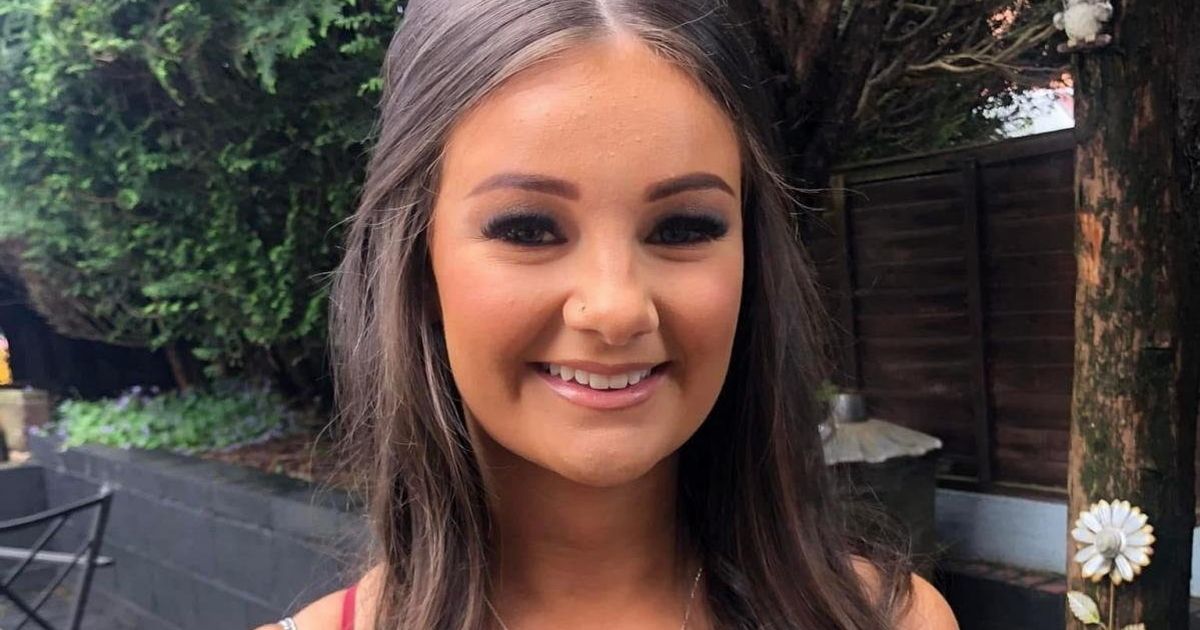
A family’s world came crashing down after 19-year-old Áine Rose Hurst died from a fatal headache, which she thought was just the side effect of a hangover
17:52, 10 Jan 2026Updated 18:23, 10 Jan 2026

Áine Rose Hurst, 19, died after suffering a fatal headache linked to the contraceptive pill(Image: Courtesy of Kerry Hurst / SWNS)
A teenage girl who woke up with a splitting headache after a night out with friends tragically died just days later after taking paracetamol for what she believed was a “typical teenage” hangover.
Áine Rose Hurst brushed off the pain and went back to bed, unaware she was suffering from a deadly blood clot on her brain. Within 48 hours, the 19-year-old was dead, dying in her devastated mum’s arms. Now her heartbroken mother, Kerry, is speaking out to warn other young women after the innocent hangover turned out to be something far more sinister.
When Áine woke up in early March with a severe headache, she assumed it was just the after-effects of a night out. But when the pain didn’t ease, she went to her mum for help.
Kerry gave her paracetamol, an eye mask, and told her to try to sleep, never imagining the outcome would be fatal. But the pain rapidly worsened and Kerry was forced to call 111. During the call, Áine suddenly became unresponsive and was rushed to hospital by ambulance.
READ MORE: Woman ‘nearly died’ after botched £15,000 boob job started leaking green fluidREAD MORE: Kate Middleton’s ‘new normal’ after life-changing experience and her one birthday wish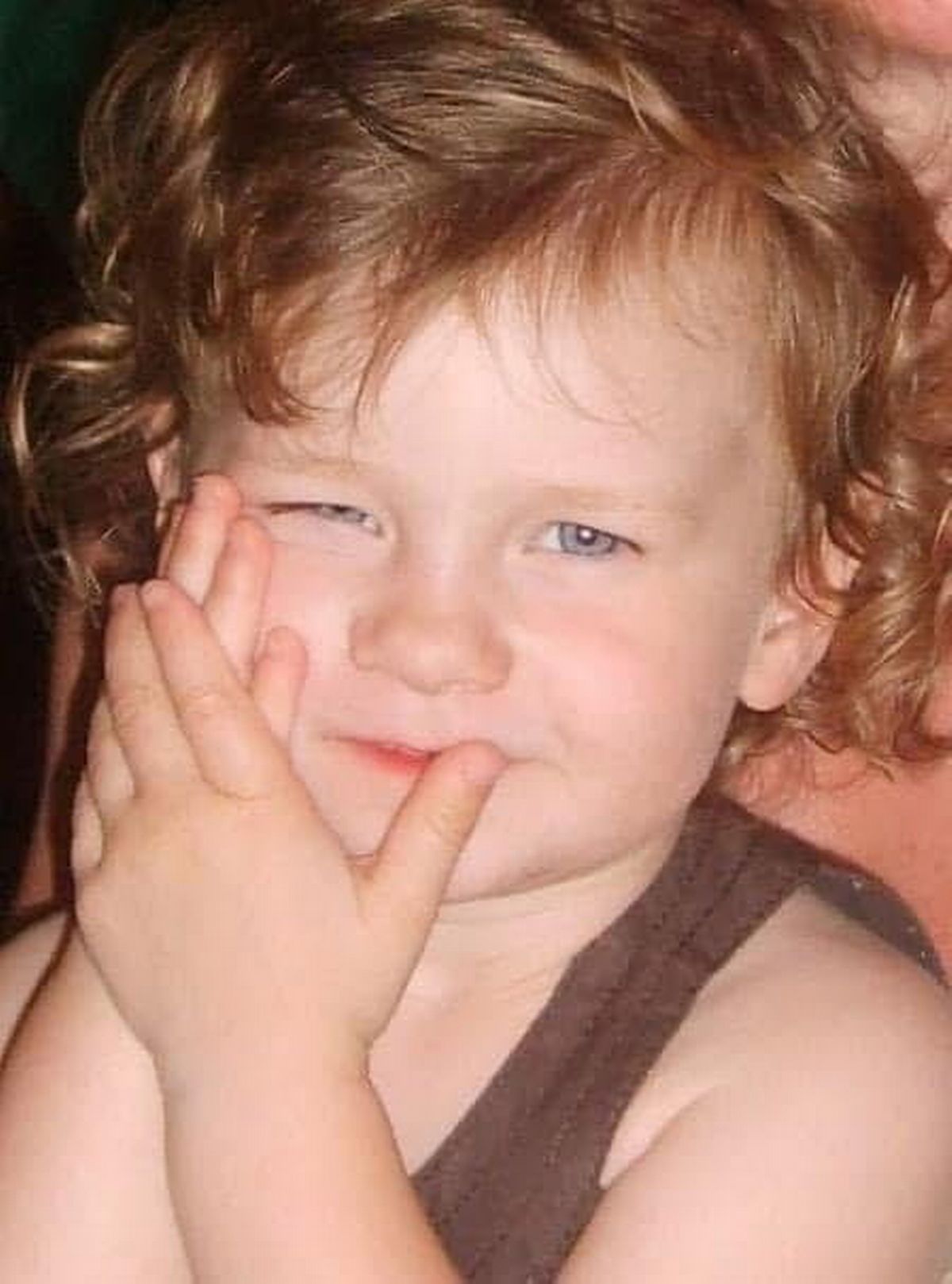
A foundation has been set up in the teenager’s name to prevent any similar deaths(Image: Courtesy of Kerry Hurst / SWNS)
Doctors later discovered she had suffered a cerebral venous sinus thrombosis, which is a rare blood clot on the brain, and told the family she was unlikely to survive. Two days later, on March 13, 2025, life support was withdrawn and Áine died in her mum’s arms.
Kerry, 52, said: “Áine was the most beautiful, funny, caring girl. We will never get over losing her, but if we can save a life in her memory, that would be some small comfort to us.”
The tragedy has since been linked to the combined oral contraceptive pill Áine had been taking. Just before her 16th birthday, Kerry had taken her daughter to the GP because of heavy periods. Áine was prescribed Femodette and took it for three years without issue.
But in December 2024, during a routine check on the same day she passed her driving test, her blood pressure was found to be dangerously high and she was taken off the pill immediately.
Kerry said: “When she got home, she told us the nurse had taken three readings, and her blood pressure was way too high. She was taken off the Pill immediately.
“We had a blood pressure machine at home, and Áine checked and recorded it every day for weeks. It was a worry, but the readings gradually came down because she was off the Pill.”
In January 2025, after her blood pressure was found to be just within acceptable guidelines, Áine was prescribed the pill again. Despite Kerry’s concerns, she and the family said they trusted medical advice.
“I was a bit worried about that; I thought it was odd,” the distraught mum explained. “But I trusted the GP; I didn’t for a moment think Áine was at risk in any way at all. I torture myself now wishing I’d made a stand and insisted on going back to the GP.”
Weeks later, Áine suffered a fatal headache. Mum Kerry added: “Áine presumed she had a typical teenage hangover and stayed in bed. But it got worse and she came into my room crying. I gave her paracetamol and an eye mask, tucked her up in bed and told her to get some sleep.”
Kerry said everything happened “so fast,” between feeling unwell and then falling unconscious. After arriving at the hospital, the family were told by doctors how the contraceptive pill was believed to have caused the clot. It was later listed as a contributing factor on her death certificate.
An inquest later confirmed Áine died from cerebral venous sinus thrombosis, with the oral contraceptive pill named as a “potential contributing factor”.
Since losing their only daughter, Kerry and husband Graham have set up ARCS (The Áine Rose Contraceptive Safety Foundation) to raise awareness of the risks.
Mum Kerry said: “Nothing will bring Áine back. But we would like to raise awareness amongst other young women of the potential side effects and dangers of the contraceptive pill.
“Áine would never have done anything to put her life at risk, she was a bright, sensible young woman. If she’d had any idea she was in danger, she’d never have gone back on the pill. Our hearts are broken and our entire family is shattered. But in her memory, we hope other lives will be saved.”
According to the NHS, blood clots linked to combined hormonal contraception are rare, but doctors stress the importance of monitoring blood pressure and other risk factors. Áine’s family now hope her story will stop others dismissing severe headaches as “just a hangover.”