
An initiative has been launched to support teachers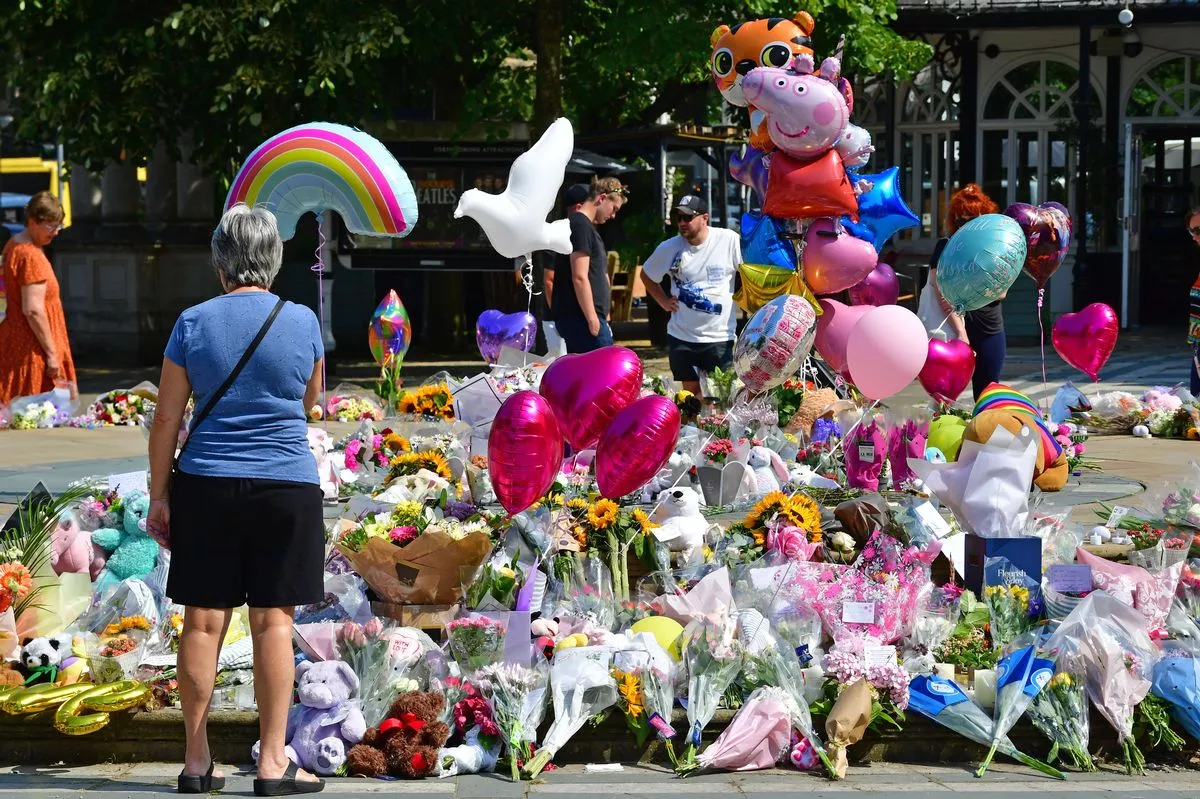
Tributes left in Southport following the attack(Image: )
Survivors of the Manchester Arena bombing are using the trauma they endured to help those caught up in the Southport stabbings.
Eight girls who survived the atrocity on May 22, 2017, are mentoring the teachers of those affected by the tragedy at a Taylor Swift themed dance class in July 2024. Many children caught up in the Manchester bombing said their teachers were not equipped to support them in the aftermath.
An initiative has been set up, a collaboration between the National Emergencies Trust and Lancaster University, involving Manchester survivors running support workshops for teachers in Sefton, Merseyside, the Mirror reports. Leanne Lucas, a yoga teacher who was badly injured in the Southport attack which killed three little girls, said of the project: “Seeing where the Manchester girls are eight years on gives me a great sense of hope.
“A survivor’s support network is an important part of healing and we must foster this for those who have experienced something traumatic.” And teacher Natasha Sandland, who lost one of her pupils at Southport, added: “We didn’t have an instruction manual on how to deal with something like this. The Manchester survivors have lived it, so having that insight is invaluable.”
Suicide bomber Salman Abedi killed more than 22 people and injured more than 1,000 – many of them children at a show by US singer Ariana Grande. Many of the youngsters who were caught up in the horror say their teachers were not equipped to support them, so the aim of the sessions is to ensure children in Southport never go through the same thing.
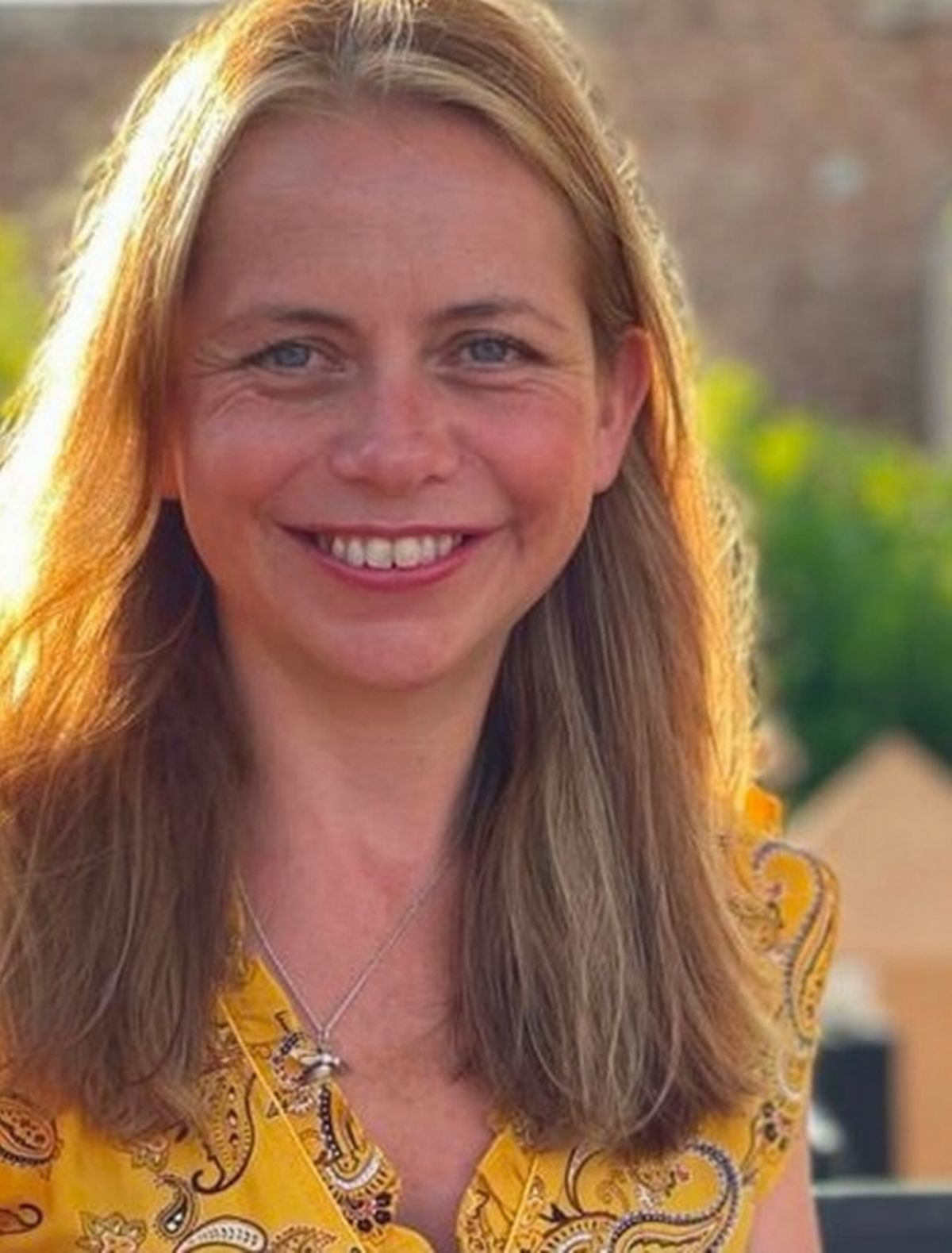
Dr Cath Hill is spearheading the project with Manchester survivors(Image: Cath Hill/Be The Difference)
Teenage knifeman Axel Rudakubana murdered Bebe King, six, Elsie Dot Stancombe, seven, and Alice Da Silva Aguiar, nine, and injured 10 others in his attack on a Taylor Swift-themed dance class on July 29, 2024.
Last night, Manchester survivor Dr Cath Hill, who is spearheading the scheme, said: “The project was born out of people not wanting others to go through what they’ve gone through. Schools are left on the front line after these horrendous events and yet they’re not given the tools to navigate such a complex situation. What we’re trying to do is offer that hope using the power of lived experience.
“As teachers and parents, it’s really easy to think these young people will never be OK – but the Manchester survivors prove that’s not the case. It hasn’t been easy, but they’ve shown life goes on and there’s more resilience in these children than we sometimes give them credit for.”
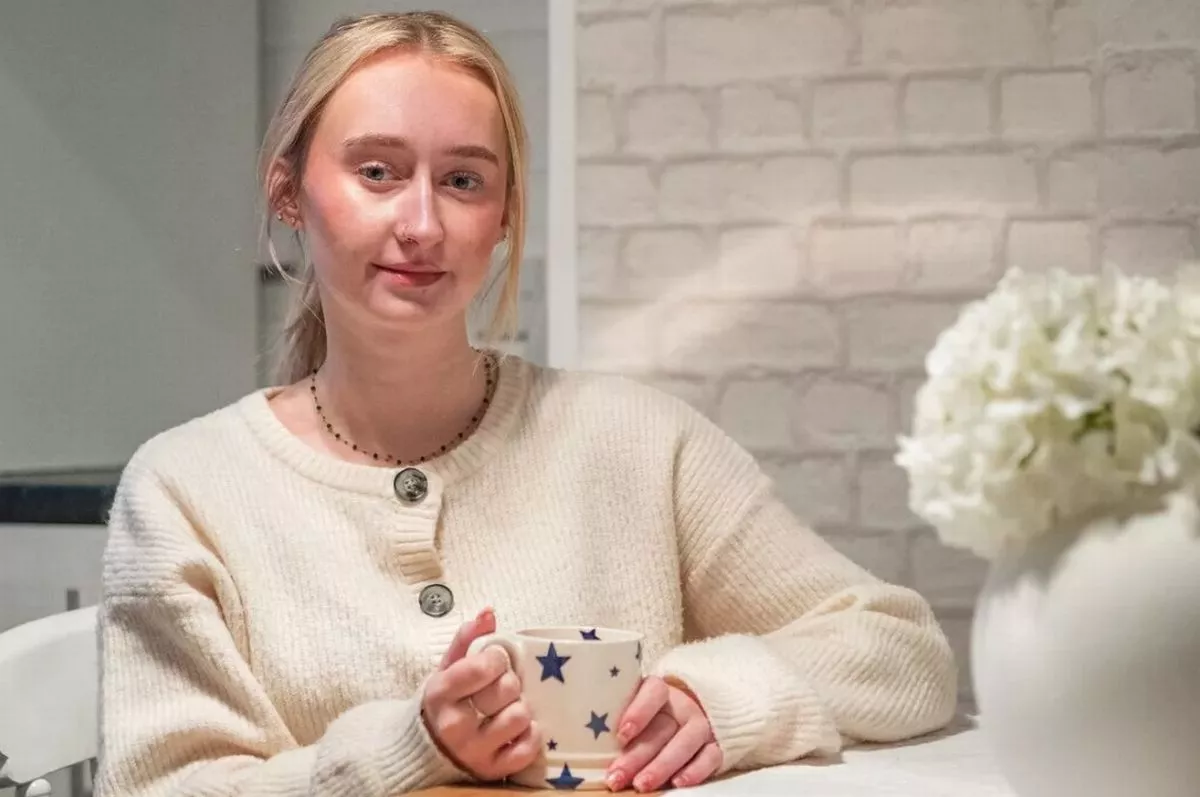
Ruby Bradbourne struggled having to retell her story at school(Image: Paul David Drabble)
Two workshops have already taken place, with the second bringing some 40 teachers together. Manchester survivors led a Q&A session before breaking out into smaller groups to share advice. A struggle they all shared was a lack of information passed on to teachers, and the trauma of having to frequently retell their stories.
Ruby Bradbourne, 20, who was just 11 when she attended the Ariana concert, says: “I had counselling at school, but I would have to get up in the middle of class, and because there was nothing in place I had to tell every teacher where I was going. It was really triggering because I had to explain everything each time. They didn’t know how to react because nothing like this had ever happened before.”
They also spoke of the need for teachers to keep a closer eye on quieter children. Alicia Taylor, 22, was 13 when the attack happened. She was not injured, but her mum suffered tinnitus and deafness in one ear. “I was seeing my mum going through PTSD and I really needed people at my school to see me and notice that I was going through something traumatic, even though I didn’t have anything physical to show for it,” she says.
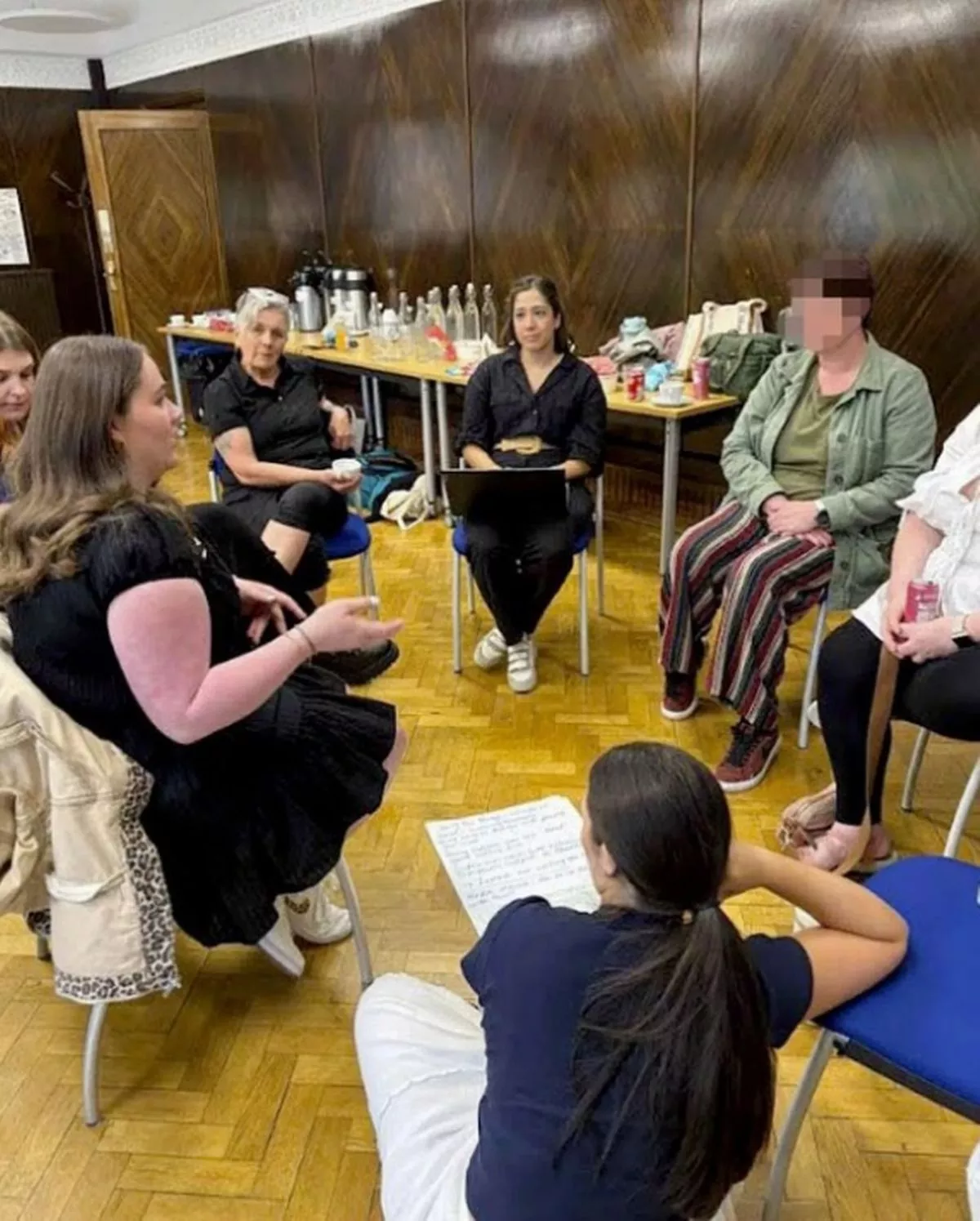
The workshops allow teachers and survivors learn from each other (Image: Cath Hill/Be The Difference)
“However, because of a lack of information, they didn’t really act on much and as the weeks went by I realised I’d have to just put my head down and go back to normal life. Schools often think the quieter children who don’t make a fuss are coping well, but I think that’s one of the biggest misconceptions.”
Now a masters student at Oxford, Alicia wants kids in Southport to have a different experience. She adds: “It’s just so important that that workshop happened and that we continue supporting the teachers of Southport, who have such a massive responsibility.”
Natasha Sandland, who was Bebe King’s headteacher, said hearing the Manchester survivors’ stories gave her a real drive to make things better. “It stopped us thinking of the horror and instead focused on how we can move things forward,” she adds.
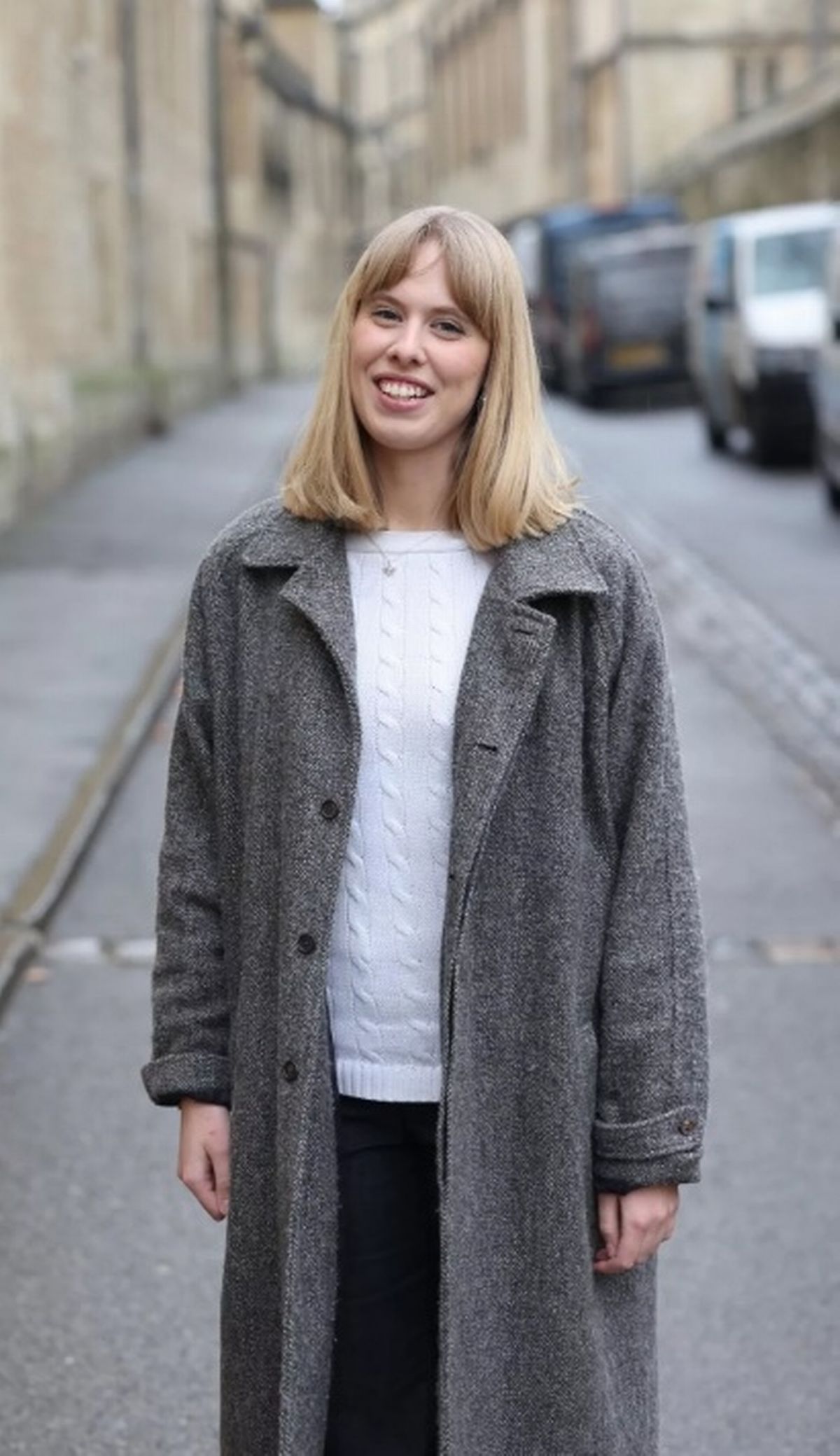
Alicia Taylor was 13 when the Manchester attack happened(Image: Jonathan Buckmaster)
“What we got from the Manchester young people was how strong, how feisty, how incredibly passionate they were about being successful individuals that weren’t just defined by what had happened to them. There were tears, there was relief and there was definitely hope and a drive to do all we can. The two events in Manchester and Southport were completely different, but what we share is the horror and the trauma but also the passion and determination to make things better.”
Natasha, now head of Sefton’s Virtual School, managed to create a fact file passport for all affected children in Sefton, which is shared with every teacher, even when students switch schools. The goal is for the workshops – backed by Ikea – to continue and expand to other local authority areas where children may have been impacted by the events in Southport.
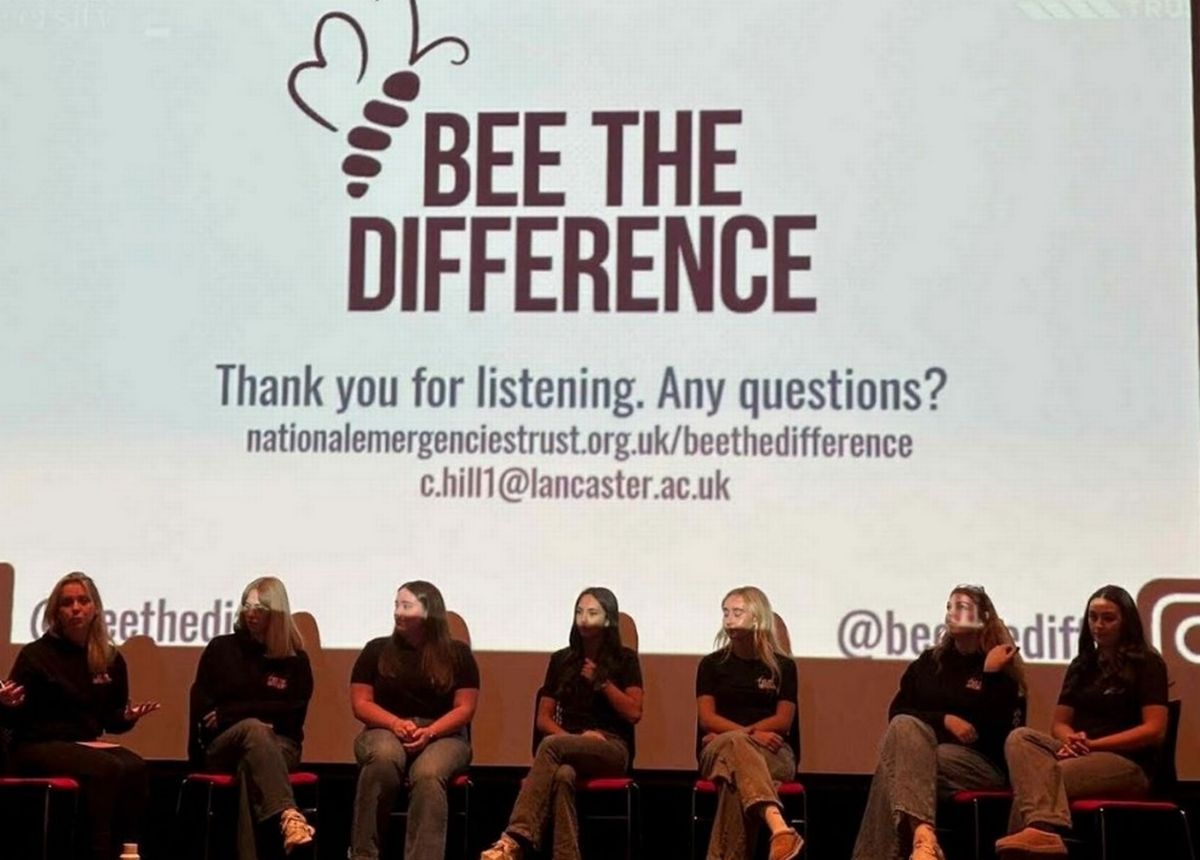
The Manchester survivors led a Q&A for teachers in Southport(Image: )
And with support from the Department for Education, the project could help form a blueprint to support children in the future. Dr Hill, who heads up Manchester survivors group Bee The Difference, continues: “If something similar happens involving children and young people, my aim would be to have a group of people to go in when the time is right and do a similar thing.
“Each time we meet and share knowledge and experience, we’re creating this even better project which is there for the future. I was privileged to meet Leanne and it’s grown from us trying to support each other.”