It’s a record that will never be broken. A remarkable 28 million people tuned in to watch comedy geniuses Morecambe and Wise join special guest Elton John for their 1977 Christmas special on BBC One, making it the most-watched comedy show of all time. That was back when families across the nation gathered round the television to enjoy big shows together. Today, many of us prefer the screen of a personal phone or tablet, where we choose our own entertainment from what feels like an infinite selection.
It makes the television licence fee something of an anachronism. If you watch any television at all, even if that never includes the BBC, you’re expected by law to pay £174.50 per household in order to fund the broadcaster. There’s a fine of £1,000 if you refuse. Culture Secretary Lisa Nandy faces a dilemma. The BBC’s Royal Charter expires in December 2027 and she has the task of drawing up a new one (which is essential, because the broadcaster officially ceases to exist without a charter). It means she has to decide what happens to the licence fee – and whether new sources of income are needed.
That’s why Ms Nandy is considering drastic changes to the way the BBC is funded, including the option of showing adverts in BBC broadcasts for the first time.
There were only three TV channels in the 1970s, but today there are hundreds. That’s in addition to streaming services such as Netflix and video-sharing options including YouTube and TikTok.
Anyone who watches television, however, pays the same licence fee, whether they use BBC services or not.
And the official definition of “television” is surprisingly broad. You’re supposed to buy a licence if you use a smartphone to watch certain services on Amazon Prime, for example, or YouTube, even if you don’t have a TV set in your home.
This can’t continue. The fee brings in £3.8 billion every year but it’s easy to understand why the number of households paying is on the way down, falling from 26.2 million in 2017-18 to 23.8 million today.
Many who buy a licence do so grudgingly. After all, two thirds of UK households subscribe to online paid-for services such as Netflix, Disney+ or Apple TV. It’s hard to justify forcing them to pay for something else which they may not want.
We’re spending less time in front of the goggle box than we used to. Data from regulator Ofcom shows average viewing time fell 4% in 2024 compared to 2023.
Young people are particularly uninterested. People aged 55 to 64 spend an average of 218 minutes every day watching TV (this includes online services from TV broadcasters such as BBC iPlayer or ITVX). For those aged 16 to 24 it’s just 31 minutes, Ofcom figures show, far less than the time they spend on video-sharing services such as TikTok.
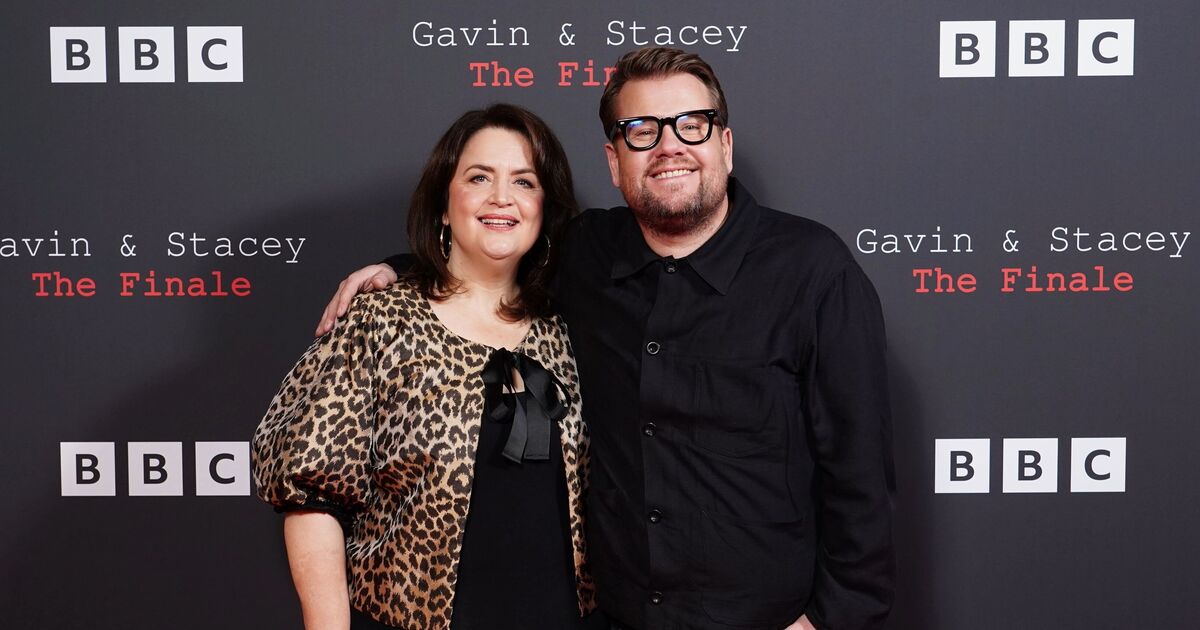
The BBC does still broadcast popular shows, such as Strictly Come Dancing or Gavin and Stacey. But the world has changed.
A new Royal Charter will come into force in January 2028 and last at least 10 years, by which time much of the TikTok generation will be in their 30s. Should they be forced to pay for a service just because their grandparents did?
The BBC hasn’t helped itself. One of its strengths is news and current affairs, but in recent years it has been rocked by scandals including the Huw Edwards affair, which saw the former presenter convicted of making indecent images of children.
The corporation is currently hunting for a new boss following a huge row over bias. Director general Tim Davie resigned when it emerged flagship current affairs show Panorama had edited a Donald Trump speech to misrepresent the US President’s words.
Complaints about BBC news coverage are not new, and Margaret Thatcher objected to its reporting of the Falklands conflict in the 1980s. But the difference with the latest allegations is that they are demonstrably true. They also came at the worst possible time, with the Government’s Charter review getting underway.
If you want to share your thoughts with Ms Nandy, you have until March 10 to take part in the Government’s consultation. But she’s already set out the options she is considering.
Perhaps the most dramatic involves allowing the BBC to carry advertising “on all of its services” in the same way as other commercial rivals. The Government paper notes: “This funding model supports other public service media providers such as ITV, Channel 4, and Channel 5.”
A less controversial proposal is to put BBC programmes on YouTube, accompanied by adverts, but keep the broadcaster’s own channels ad-free.
Ms Nandy is also considering charging different levels of licence fee depending on the services you actually use, such as watching traditional telly or sticking to online services such as iPlayer and BBC Sounds.
And the BBC could follow in the footsteps of Netflix and offer a subscription for those who choose to pay. For example, recent shows could remain available on iPlayer, while a separate paid-for online service offers programmes from the broadcaster’s extensive archive.
The aim is to give the BBC the funding it needs to survive, and to invest in new technology such as AI, without hiking up the licence fee. But what doesn’t appear to be an option is abolishing the licence entirely.
The Government says merely that it is open to “reforming the licence fee alongside broader reform options”. And while it is promising “the lowest possible cost for households” and suggests the cost could “change”, it hasn’t explicitly promised that the fee will be reduced.
Ms Nandy has also ruled out bringing back the free licence scheme for all people aged 75 after it was axed in 2020, although over-75s receiving pension credit are still eligible.
It’s a cop out that could damage the BBC in the long run.
This Labour government doesn’t want to go down in history as the one that killed a British institution. But a compulsory licence will appear increasingly bizarre as years go by.
The best hope for the BBC’s future is to find new ways of funding it.