Home » TRAVEL ALERT » Scotland Braces for Severe Weather as Amber Snow Warning is Issued and Dangerous Conditions Disrupt Travel and Daily Life Across the Region
Published on
January 11, 2026
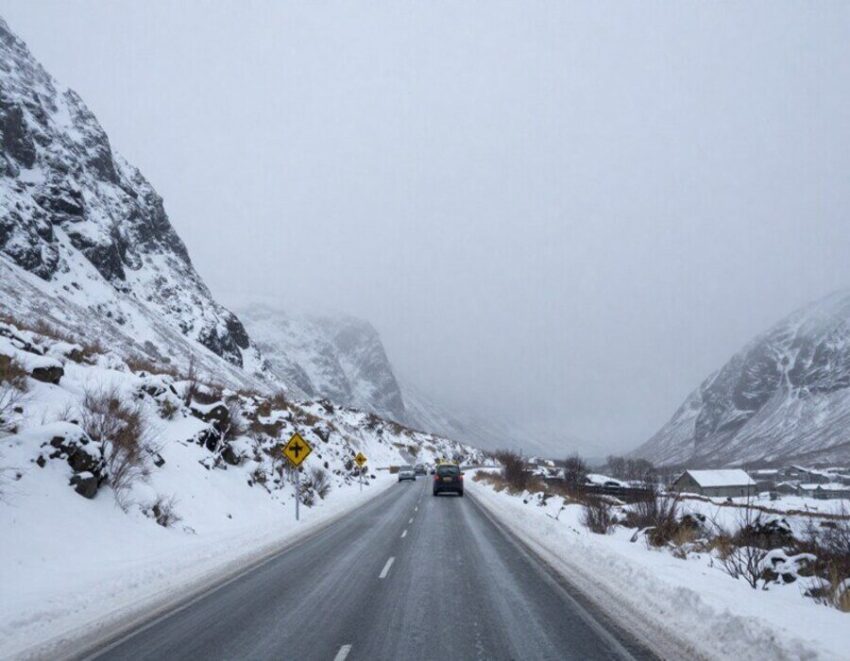
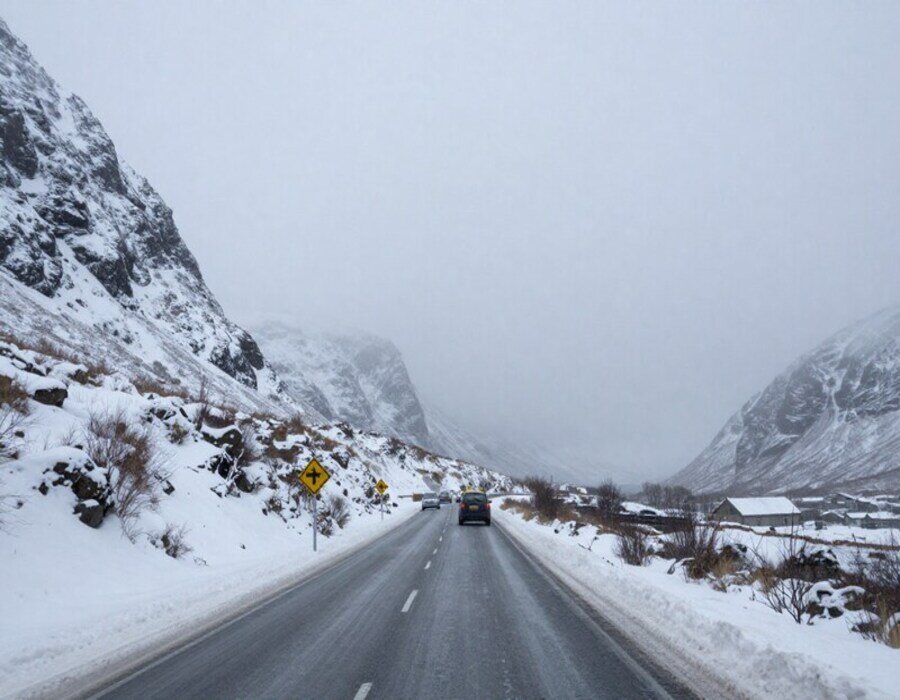
Scotland is facing a formidable winter storm, with an amber snow warning issued for central and northeastern regions, including areas north of Glasgow up to Aberdeen. This warning signals severe weather, with up to 30 cm of snow expected on higher ground and dangerous icy conditions across the affected areas. The warning comes as part of a series of disruptive weather events, following persistent snowfall, freezing temperatures, and hazardous travel conditions that have already caused significant delays and risks to public safety. With travel disruptions, risk of flooding, and intense cold, residents and travelers are urged to take immediate precautions and stay informed as the storm continues to impact the region.
Amber Weather Warning Issued for Scotland Amid Severe Snowfall and Freezing Conditions
An amber weather warning has been issued for central and northeastern Scotland, signaling the arrival of severe weather. This warning, which covers regions north of Glasgow extending up to Aberdeen, is set to remain in effect until 2 pm on Sunday. The region is bracing for significant snow accumulation, as forecasts predict up to 30 cm (12 inches) of snow on higher ground. Meanwhile, lower elevations are expected to receive between 2 to 5 cm (0.7 to 3 inches) of snow, intensifying the already challenging conditions in these areas.
This amber warning is just the latest in a series of adverse weather events affecting Scotland and the broader UK. The Met Office has warned of persistent snowfall, icy conditions, and freezing temperatures that have continued for several days, disrupting daily life and creating travel hazards. The storm system, which has swept across the UK, comes on the heels of Storm Goretti, which caused widespread disruptions last Thursday and Friday. The storm brought fierce winds, school closures, and substantial travel delays. In the South West, winds were recorded at nearly 100mph, prompting the issuance of a rare red weather warning for the region. Tragically, a man in his 50s was found dead after a tree fell on a caravan in Mawgan, Cornwall, underscoring the deadly potential of these extreme weather conditions.
In addition to the amber warning, several yellow warnings have been issued across various parts of the UK. These include warnings for snow, ice, wind, and rain, which will continue through the weekend and into Monday. The yellow warnings are as follows:
- Snow and Ice: Much of Scotland, the North West, North East, and the West Midlands are under snow and ice warnings, which will remain in effect until 3 pm on Sunday.
- Wind: Scotland, Northern Ireland, and northern England (north of Newcastle) are at risk of severe winds until 9 pm on Sunday. Another wind warning is in place for Scotland north of Glasgow, from 9 pm on Sunday to midday Monday.
- Rain: Warnings for heavy rainfall are in place for northwest Scotland until 10 am on Monday, southwest Scotland until Sunday evening, and Northern Ireland until 9 pm on Sunday. These areas face the possibility of flooding.
- Ice: The East Midlands, North East, and parts of Yorkshire and Lincolnshire are also under ice warnings until 11 am on Sunday.
Despite the ongoing severe weather, there is a glimmer of relief in the forecast. Milder conditions are expected to take hold in the coming days. On Sunday, cities like Plymouth are forecasted to reach highs of 13°C (55°F), while Manchester could see temperatures climb to 10°C (50°F). These temperatures are notably warmer than Madrid, where temperatures are expected to hover around 8°C (46°F).
However, while the milder weather offers some respite, the Met Office has cautioned that the combination of rainfall and snowmelt could lead to localized flooding in some areas. Travelers and residents are urged to stay updated on the weather and exercise caution, especially when traveling in affected regions.
The impact of this severe weather extends beyond simple inconvenience; it poses significant risks to public safety and disrupts key services. Travel delays, including cancellations and diversions at airports, are expected to continue as conditions worsen. Drivers are urged to be extra cautious when navigating icy roads, and authorities have recommended that people avoid non-essential travel in the worst-hit areas.
For now, residents in the affected regions are advised to prepare for hazardous conditions. The authorities are working to ensure that adequate measures are in place to minimize the impact of these storms. Travelers planning to head out in the coming days should monitor the weather and follow any travel advisories issued by the local authorities. The unpredictable nature of winter storms calls for vigilance and preparedness, as conditions can change rapidly.
Scotland is bracing for a severe winter storm, with an amber snow warning in place for central and northeastern areas, including up to 30 cm of snow on higher ground. The storm is expected to disrupt travel, safety, and daily life, urging residents to stay cautious and prepared.
In summary, Scotland is bracing for severe winter conditions, with heavy snow and freezing temperatures expected through the weekend. This amber warning highlights the seriousness of the situation, while additional yellow warnings for snow, ice, rain, and wind cover other parts of the UK. With the potential for flooding, travel disruptions, and significant public safety concerns, it is crucial for residents and travelers to stay informed and take necessary precautions.
