The ECHO has been reporting on this issue for many years, now something might actually be done
13:00, 09 Jan 2026Updated 14:45, 09 Jan 2026
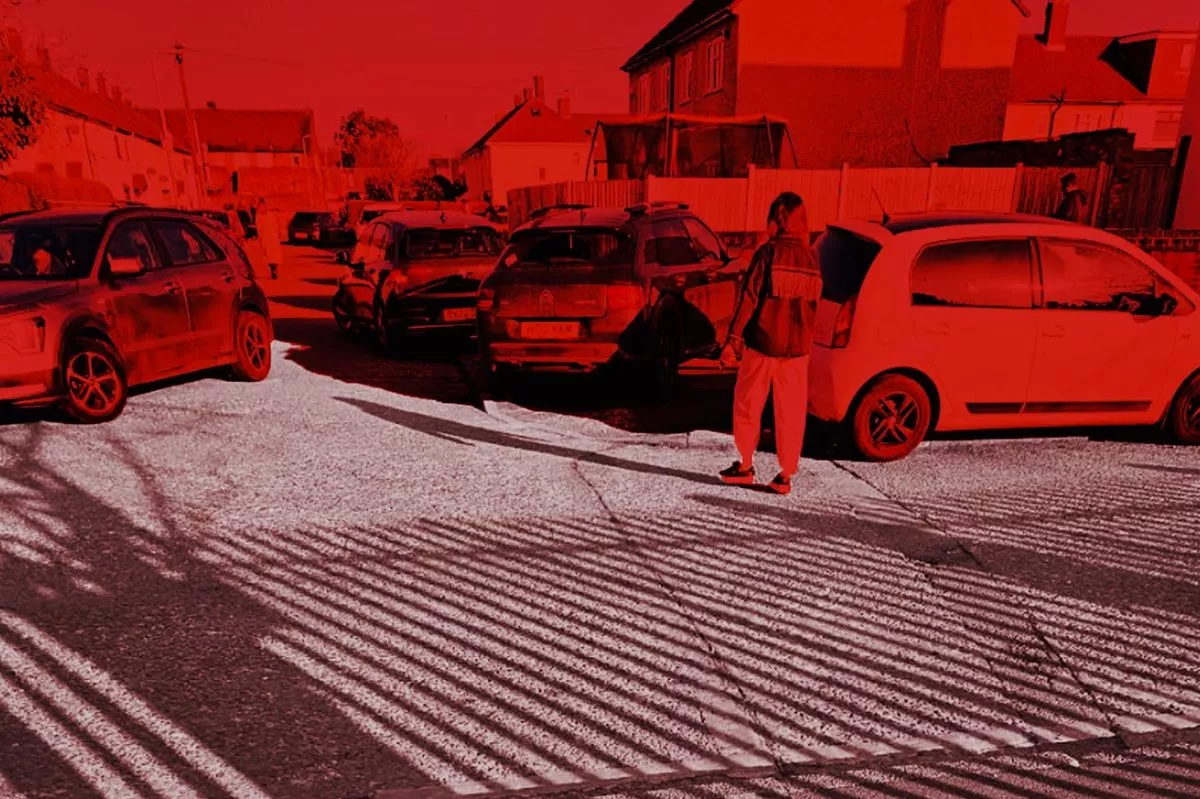
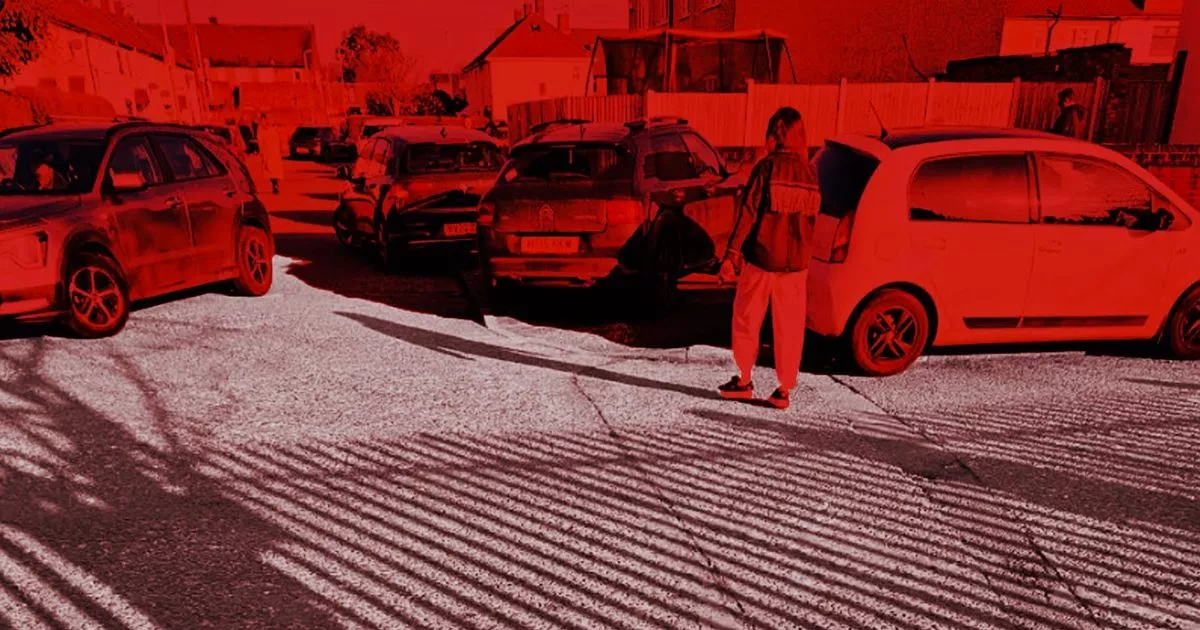
Pavement parking has been a huge problem in Merseyside for years(Image: )
I’ve been a journalist at the Liverpool ECHO for eight years now and while no day in this job is ever really the same, there are repeated stories and topics that come across my desk.
Unfortunately these include stories on the scourge of homelessness and poverty, which continue to blight this region, but there are other areas that I have come back to time and time again in my reporting – and one of those issues is pavement parking.
For those lucky enough to need this explaining to them, this is when selfish drivers park their vehicles on, across or blocking pedestrian pavements and walkways, causing huge problems for those trying to get past.
While the actions of these drivers are seriously annoying, for some people in society it goes much further than that and can cause real dangers.
If you are disabled and using a wheelchair, or partially sighted and relying on a guide dog or a parent pushing a pram, the behaviour of lazy and careless motorists can force you into busy roads and into risky situations.
I’ve been writing about the problems of pavement parking for years now. In fact if you go back to 2017, when a fresh faced Liam Thorp had only just joined the ECHO, I was penning an article on Honey’s Green Lane in West Derby, said to be one of the worst roads in the Merseyside region for pavement parking. As you can see from the photo below, that unwanted title was well deserved.
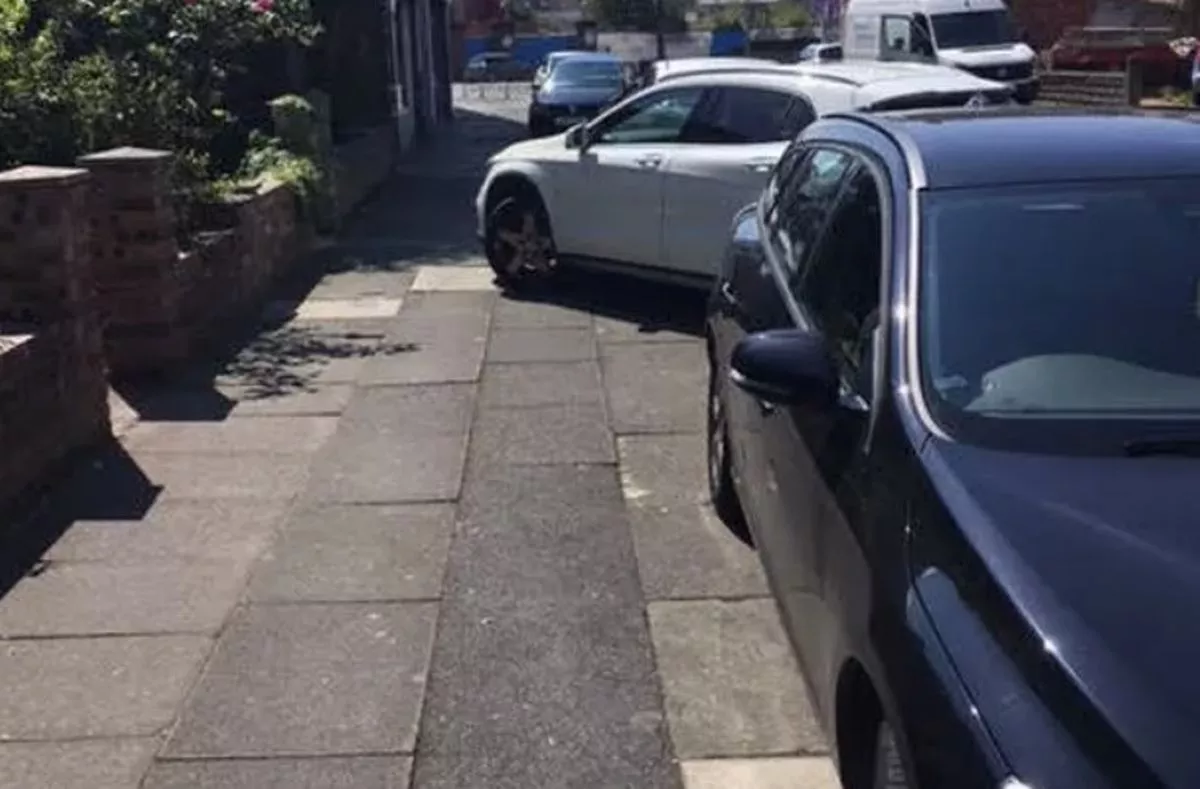
Pavement parking in Honey’s Green Lane, West Derby(Image: )
Another part of our region that has been repeatedly branded as a hotspot for this type of anti-social parking is Victoria Street in Liverpool city centre.
We have repeatedly highlighted images of high-end vehicles parked fully on the pavement in the busy city centre street, particularly outside the Zenn Restaurant and bar. Ironically and frustratingly, this spot is right next to a multi-story car park.
We have also carried features on the individual people who are routinely and debilitatingly impacted by this behaviour on a daily basis.
In December 2024 I headed out to Allerton Road with wheelchair user Pam Thomas to see the difficulties she faces getting around badly parked vehicles.
Pam, 70, has always lived with disabilities and has used a wheelchair for 25 years. She has been a champion for disability rights in that time, so watching her be repeatedly blocked in going about her business by those who haven’t thought twice about where they have left their car was deeply frustrating.
Pam told me: “I’m just at a point now where I am like ‘I will just stay in the house’ and it shouldn’t be that way. It makes me feel despondent really. It is that sense of them being entitled to park there.
“People that can walk and should walk don’t, they can’t get close enough to where they want to be. It is really selfish and is about ‘I’m obviously more important than you and so I’m going to park where I want to park.’
Someone else I met with similarly difficult experiences was Scott Keegan, who I met last summer.
At just 26-years-old, Scott has to cope with a range of serious visual impairments, meaning he relies on guide dog Ribbon to help him get around his home town of Birkenhead and beyond.
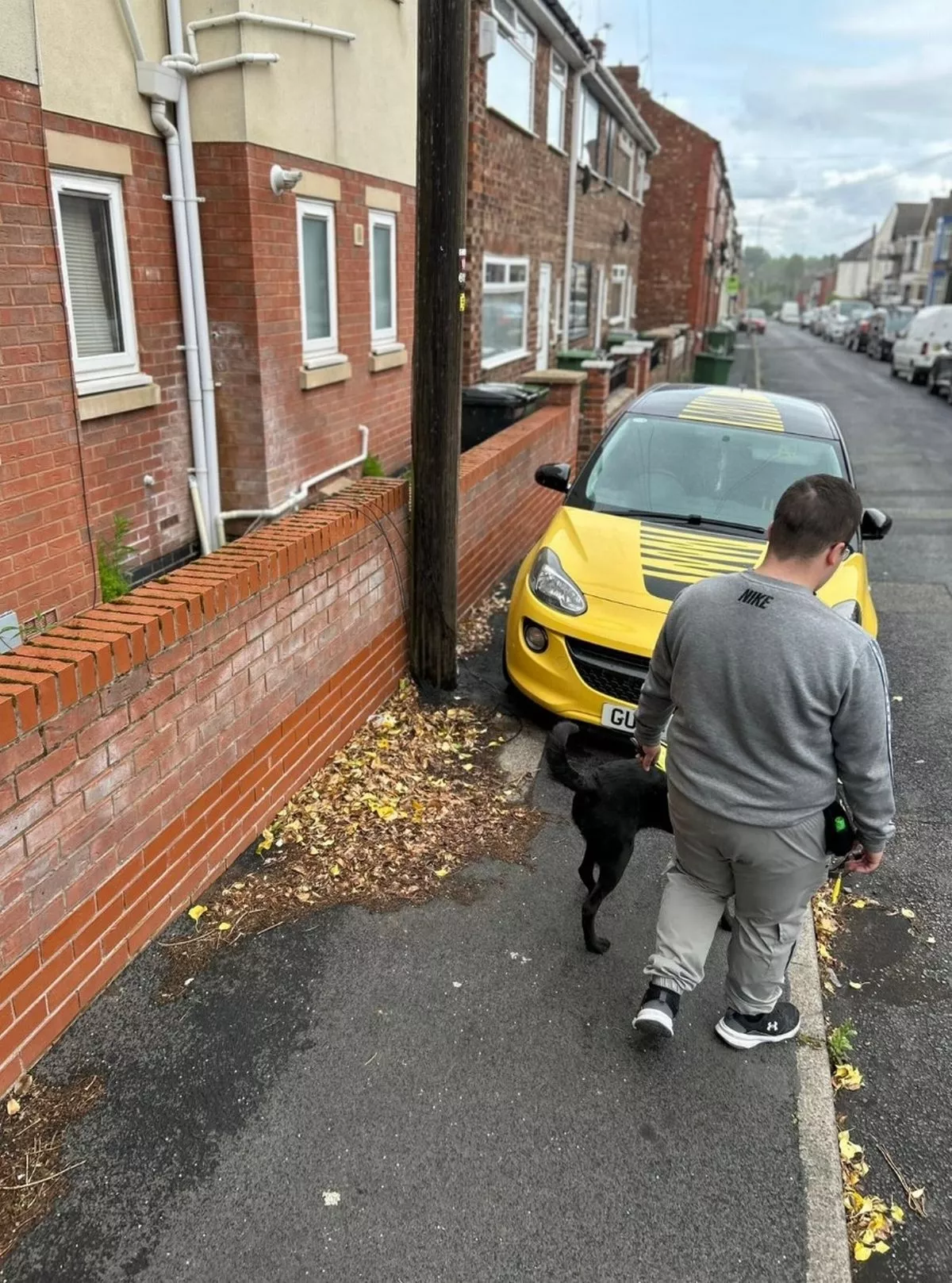
Scott Keegan relies on his guide dog Ribbon to get around but struggles because of dangerous pavement parking (Image: )
Scott’s condition, Cone-rod dystrophy, affects his perception, colour vision and contrast vision and he also has no peripheral vision, making it really difficult to see certain cars.
While it was amazing to watch his two-year-old Guide Dogs Labrador Ribbon help him to navigate the myriad of cars parked across pavements and walkways in his local area, you couldn’t help but feel his already difficult life could be made much easier if others were a little more thoughtful and a little less entitled.
Scott told me: “This can be a danger not just for people with guide dogs, or people in wheelchairs, or with prams but for everyone. You are putting people at risk so just think before you do it.”
That last group of affected people Scott mentioned, parents with prams, now includes me and I have to admit that the battles I have faced getting my toddler son past the pavement parking in my own community has made me even more angry and even more determined to shine a light on this issue.
A particular bug-bear of mine is the parents who behave this way at the school gates, causing obstructions for other people’s children and let’s face it, setting a poor example for their own.
In March last year I went to investigate the parking situation outside Hunts Cross Primary School in south Liverpool after being told how chaotic things had become by local residents.
It was grim to see the number of parents mounting kerbs, blocking pathways and in some cases, driving fully onto the pavements, just to get as close to the school as possible at picking up time.
As we were filming, a woman living nearby came out to tell us that the situation had reached a critical point in recent years and that in the past week one car had actually driven into someone’s front garden while trying to battle for a parking spot outside the school.
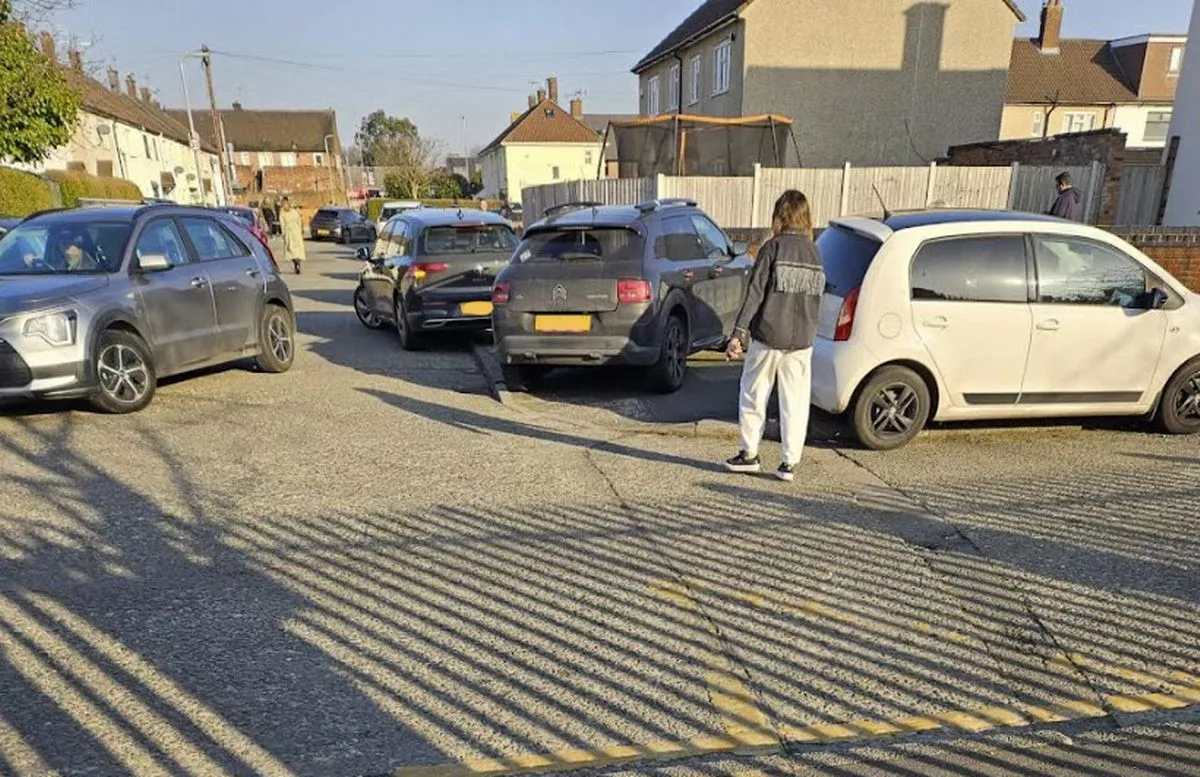
Pavement parking out of control outside Hunts Cross Primary School(Image: )
For me, the scenes outside Hunts Cross Primary School were a symbol of pavement parking as a cultural problem. There is an attitude among too many people that says ‘me and my car matter more than you’ and we see far too much of this here in Merseyside.
For a long time now, city councillors in Liverpool in particular have called for more powers to address this problem. That’s because at present, the act of pavement parking is banned outright, but currently that isn’t the case elsewhere.
In places like Merseyside at present, it is only the police who can fine those who cause obstructions or park dangerously, but naturally they have many more demands on their time.
Meanwhile, councils can only fine drivers who break on-road rules like parking on double yellow lines.
But finally, it looks like this is going to change.
This week the government has announced it will give more extensive powers to local councils to fine motorists who cause disruption by parking on the pavement.
The new powers are due to take effect later this year and the government says the wider enforcement powers should make it easier for local authorities to tackle the worst examples of this problem parking in communities.
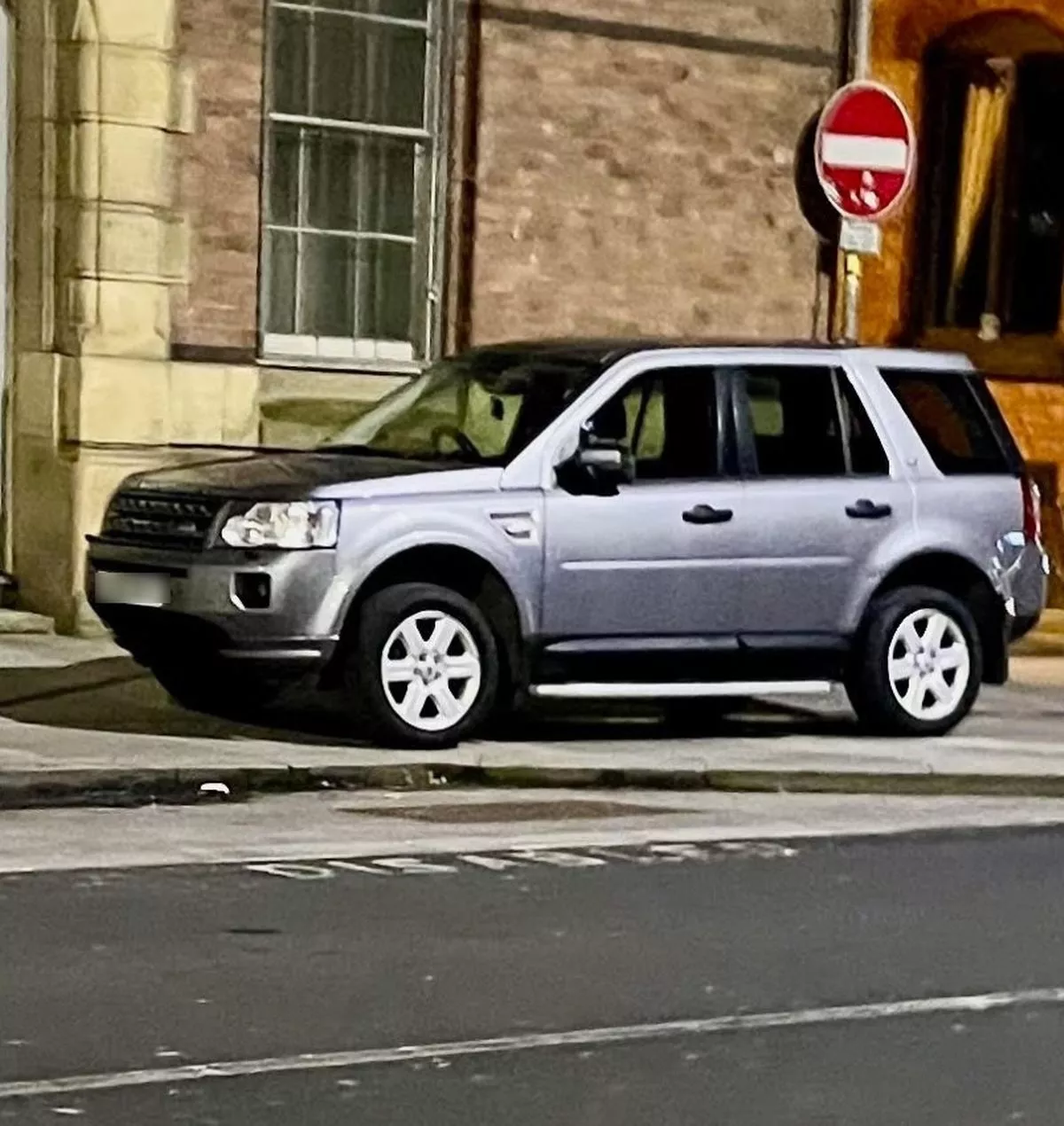
Victoria Street has become a hot bed for pavement parking in the city (Image: )
More will need to be heard about the scope of these new powers, but for Liverpool city centre councillor Nick Small, it marks a watershed moment in this ongoing battle.
He told the ECHO: “There is a bit of a grey area at the moment because unlawful parking on pavements is still a criminal offence and it is up to the police to enforce that, but the police aren’t able to prioritise that.
“What this will allows us to do is to bring these powers in and to do that in certain parts of the local authority area where this is a particular problem. This will bring it in line with the rules on yellow lines, so traffic wardens can issue fines for pavement parking in these areas.”
Cllr Small added: “This is a huge issue across Liverpool city centre, with particular hotspots like London Road and Victoria Street. It is really frustrating for residents, for visitors and businesses to see this and the council doesn’t currently have the powers to tackle it.
“As a ward councillor I will be pushing the council to bring these powers in as soon as we can, because it is a huge issue for us.”