There are two certainties in life: death and taxes. It seems now the uber-rich and famous appear to believe that they may be able to avoid them both.
Leading health professionals have recognised a new disorder, longevity fixation syndrome, which they say is an obsession with longevity so all-consuming it begins to take over daily life. Now a Swiss clinic has said that it has seen a “significant uptick” in clients coming to them exhibiting symptoms.
On the lakefront in Zurich, the upper echelons of society make their way to Paracelsus Recovery, a mental health clinic with a highly personalised and skilled team treating patients for about £90,000 a week.

Paracelsus Recovery, the Zurich clinic
FRANCOIS GLORIES/MAXPPP
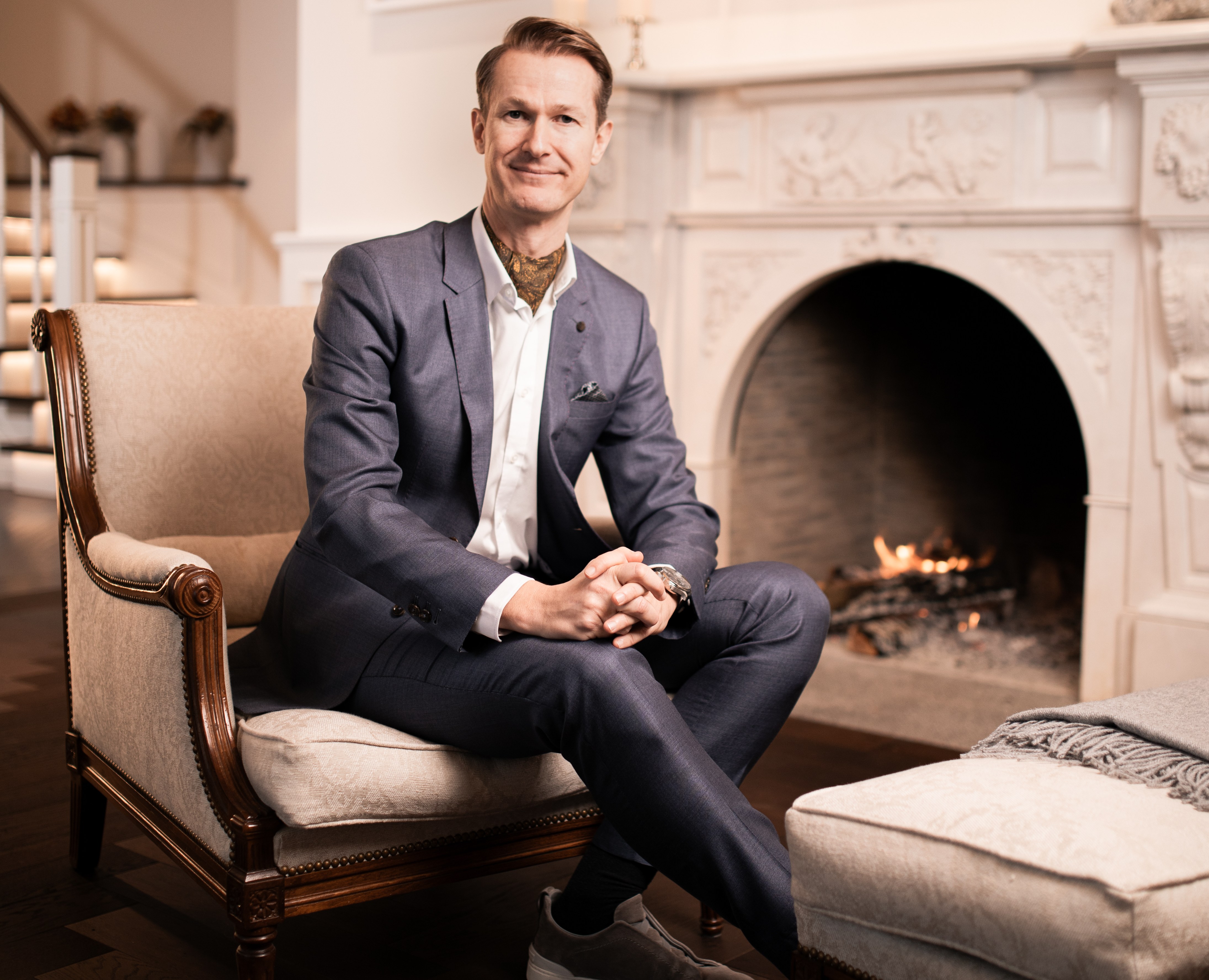
Jan Gerber, the founder and chief executive, said: “It’s like any fixation, like an eating disorder or a classic behavioural addiction. An anxiety-driven, compulsive obsession on the topic of longevity that can be anything from diagnostics variables, obsessing over the stats after a workout or after sleep, or recording your brainwaves when you’re meditating. The thing is, often a significant amount of time is invested.
“People start giving up on things that are important for them — the career can suffer, personal relationships can suffer.”
While the syndrome will not yet be found in diagnostic manuals, Gerber sees it as similar to orthorexia, a type of eating disorder where sufferers become obsessed with healthy eating and exercise.
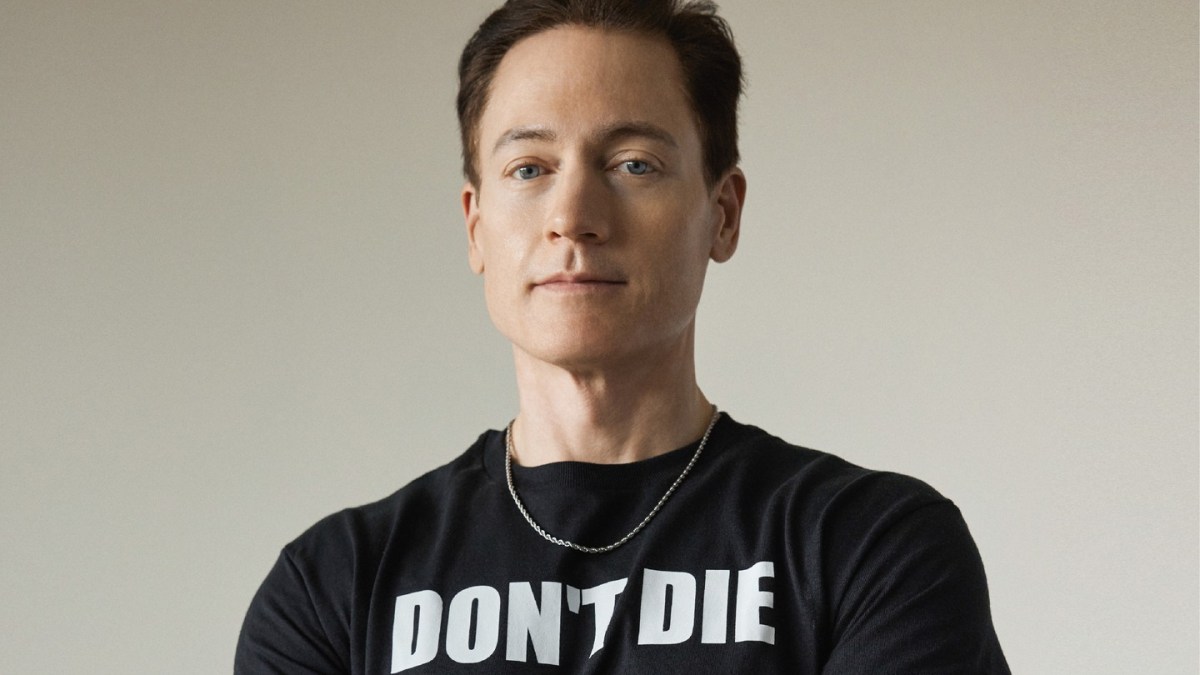
It could be said that this obsession began with Bryan Johnson, the American venture capitalist who shot to fame when his chief task became to live as long as possible. He has taken great pains to do so, being infused with his son’s blood and it has been reported that he also measures his erections at night. The 48-year-old claims that he will “achieve immortality” within the next 15 years.
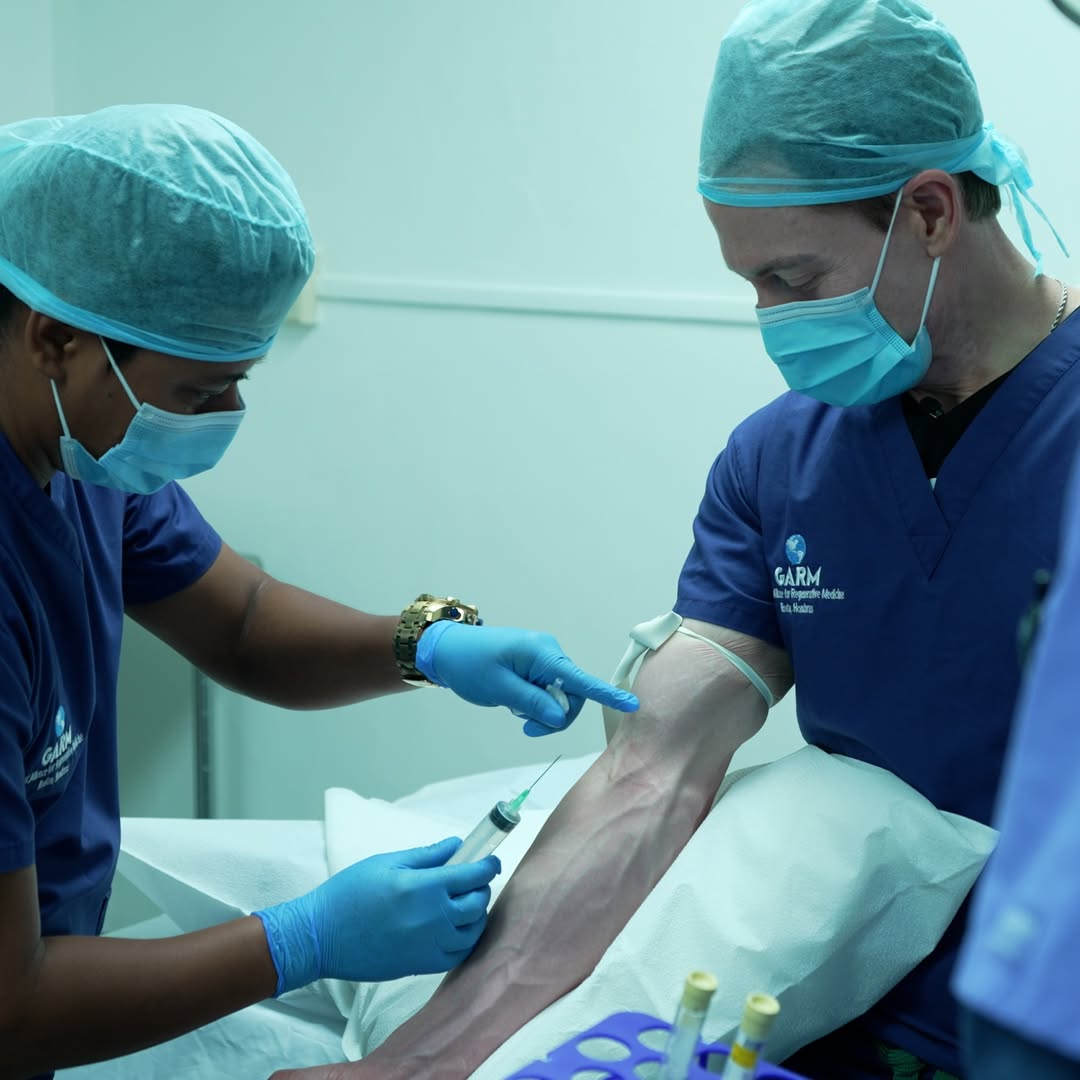
Johnson has a strict medical and physical regimen to achieve longer life
Gerber thinks that Johnson was more of a catalyst than a cause for this phenomenon. “I think Bryan Johnson is more of a symptom. I cannot comment on his motivation or anything. Of course, people are inspired [by him]. My feeling is the longevity conversation is out there anyways without individuals like him,” he said.
The goal of achieving a long, even never-ending, life has been one that has obsessed humans since the dawn of time. Legends abound of the fountain of youth, ambrosia or the holy grail. Why then, is this pursuit now a syndrome?
Gerber said: “The door was open because of technological advances, right? It’s a possibility [that] wasn’t really there before like that.”
Crucially, the longevity industry is a money-maker. “There is big money involved, from Silicon Valley to China, in the longevity space and there’s longevity start-up funding vehicles [that] are heavily funded,” he added.
Paracelsus Recovery also offers a service alongside its therapeutic offerings where clients can check in on their biological markers and statistics. It only takes on one client at a time, and a team of 15 will help the client recover from their varying afflictions. Longevity clinics all over the world offer week-long retreats to help patrons live longer, better lives. Clinique La Prairie, in Switzerland, where the assisted dying clinic Dignitas is also located, charges about £30,000 for a week-long stay, tests and advice from their longevity experts.
Believing one can defeat or put off the inevitability of death is either an expression of narcissism or extreme anxiety. Gerber admitted: “There might be a kind of narcissistic element to it. But the way we see it clinically, it’s more rooted in anxiety and anxiety is rampant all over the world … it’s on the increase globally, especially when life or geopolitics feels out of control. And also where eating disorders are rooted in.”
You can’t control how your mother treats you, he said, but you can control how you treat your body. He added: “That’s what an eating disorder is. It’s taking back control. And I very much see … unhealthy fixation on longevity as something very similar.”
There is also now evidence that less wealthy people, too, are becoming clinically obsessed with the pursuit of a long life. Susie Masterson, a BACP accredited therapist, said that she sees increasing numbers of people who are fixated on living long and living well.
Masterson, who is based in Manchester, said that it can often begin with a relative or parent getting ill and it becomes a way of dealing with grief or coming to terms with mortality.
It is also a reaction to our increasingly febrile geopolitical climate. She said: “I think it’s related to the kind of global disarray we’ve been experiencing … I still think people are trying to make sense of emerging from lockdown. I think when we feel out of control on a societal level, we look to increase our sense of control on an individual level.”
• Midlife loneliness: a packed diary, but something is missing
For people living more regular lives, this is not characterised by cryochambers or genetic testing. Masterson said: “Clients who’ve got this — everyone has some kind of fitness tracker, whether it’s an aura ring or a watch … they will come [to me] particularly if they are struggling to keep up with that, [saying], ‘I’m not good enough’, and it will tap into negative beliefs about not keeping up with a set schedule.”
The ultimate irony is that the pursuit of a long life may be pushing some into the arms of the biggest killer: loneliness. The World Health Organisation said that loneliness is linked to up to 100 deaths an hour globally.
People with longevity fixation syndrome will skip social gatherings or trips out to focus on their Sisyphean task, trading time with family to be poked with needles or freeze in an ice bath.
“Who wants to live longer if your longer years are miserable? What’s the purpose of this whole longevity thing? I think a lot of people miss that,” Gerber said.