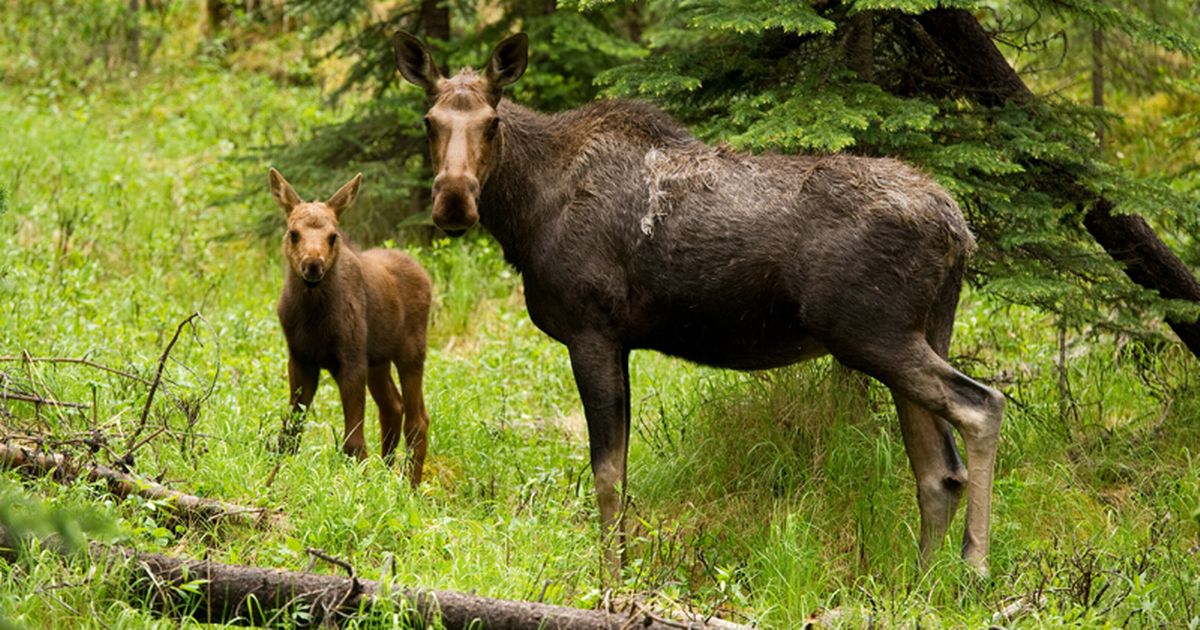
Elk were hunted to extinction in the UK around 3,000 years ago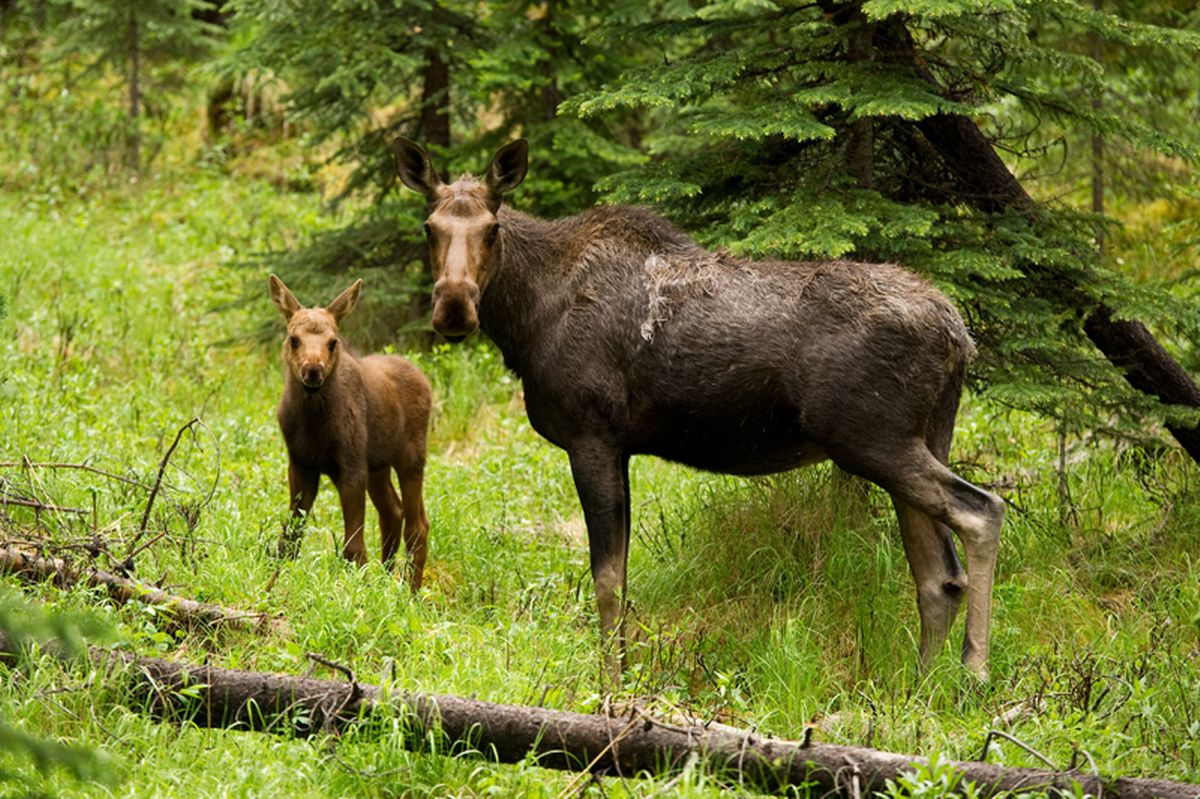
Nottinghamshire Wildlife Trust said it had received ‘phenomenal interest’ from the public(Image: PA)
Elk could feasibly return to Nottinghamshire as early as 2028, around 3,000 years after being hunted to extinction in the UK, a wildlife expert has said.
Last year, Nottinghamshire and Derbyshire Wildlife trusts were given £15,000 by Rewilding Britain to look into the possibility of reintroducing European elk, similar to what are known as moose in North America.
With the possibility of them wading up and down the River Trent some way away, the hulking mammals would first be placed in large wild-type enclosure at Idle Valley Nature Reserve and Willington Wetlands, where beavers were reintroduced in 2021 after a centuries-long absence.
A lot of barriers remain in place, not least the funding and logistics involved in transporting a half-tonne animal, but Janice Bradley, head of nature recovery (north) at Nottinghamshire Wildlife Trust, said elk could return within a couple of years if all the pieces fell into place.
“It could be relatively quick but it’s just subject to all those factors. As a trust we’ve got to be just absolutely sure it’s the right decision,” she said, stressing her timeline was a very hopeful prediction.
She said the trust had seen “phenomenal interest” from the public since the project was announced last year.
“Everything we’ve had has been really, really positive. I think most people are really quite excited and engaged by the idea of what is such an exciting animal which has a lot of charisma.”
The current barrier being navigated by Ms Bradley and her colleagues is a disease risk assessment, which was covered by last year’s funding and the results of which are expected at the end of February.
The tests will look at where the elk would come from, and the possibility of disease spreading from or to the species.
Ms Bradley said elk, which are believed to have been hunted to extinction in the neolithic era, were a “missing mega herbivore”.
Describing them as a “keystone species”, she said the mammals would benefit a whole range of species in the wider ecosystem through doing things such as eating scrub, restructuring reed beds and spreading seeds through their hooves and dung.
“They’re a very important part of our lost fauna of the UK and with Nottinghamshire having been a very watery, wet county with huge river valleys, they obviously would have been here historically along with beavers,” she said.
While the fences would require some extra fortification, the enclosed environments at Idle Valley and Willington possess the “perfect habitat” for elk, according to Ms Bradley.
“The fact we’ve got those for our beavers is what makes them really suitable as a starting point for elk. It’s a really complex, wetland mosaic habitat, lots of scrub, reed and marsh.
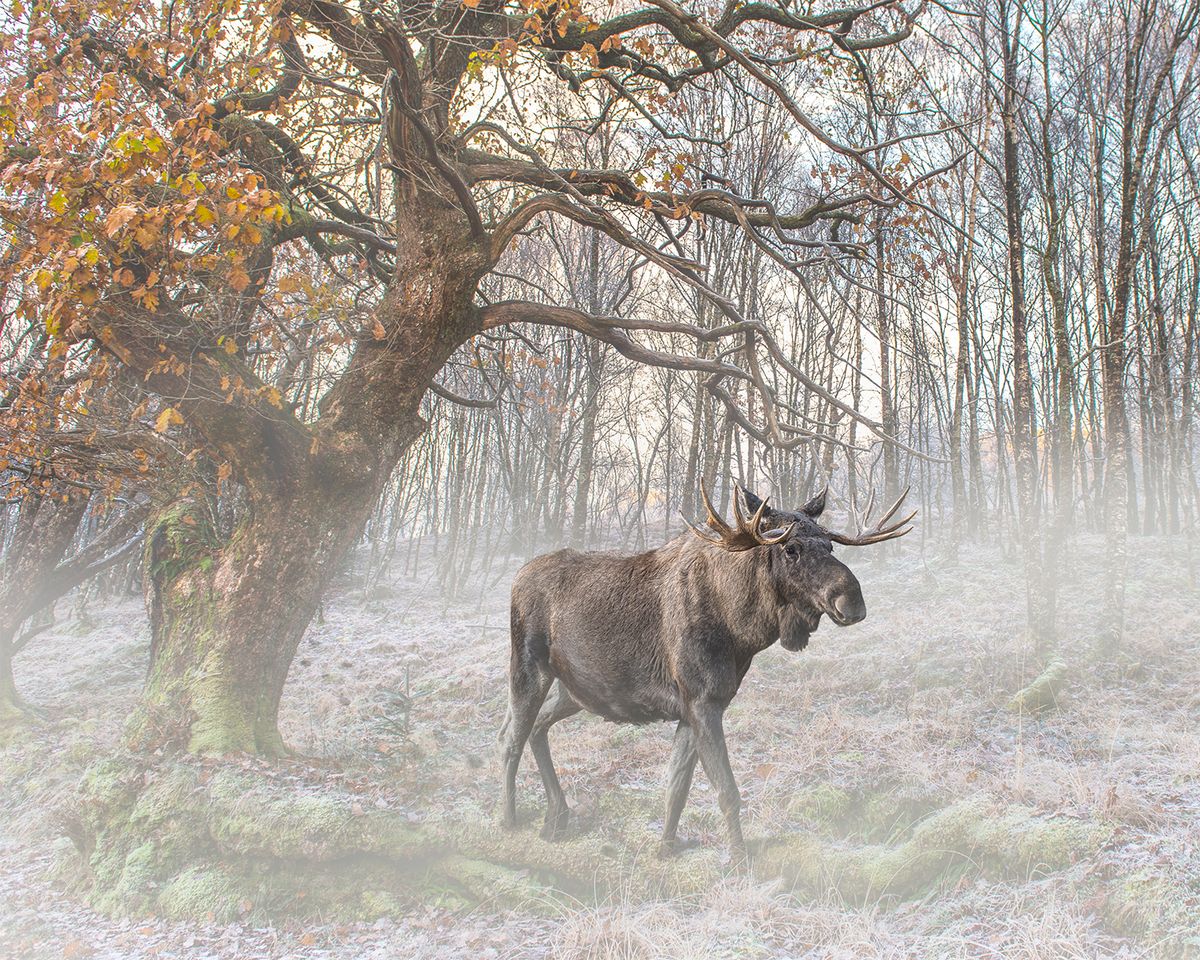
Elk have been thriving across much of Europe(Image: Libby Smith of the Scottish Photographic Federation)
“All the things that elk like. And the fact that we already have a big fence helps.”
Elk have been spreading naturally across Europe, with some populations roaming from Eastern Europe into Germany and the Netherlands, while huge movements of the animals continue across Scandinavia.
But with the increasing loss of wild habitats across Britain, will there be enough room to welcome what would be by far the country’s largest animal?
Ms Bradley said while the wildlife trust was deeply concerned about nature protections being downgraded, elk may be the least affected due to their preference for flood plains.
“There’s actually a lot of good habitat out there, but at the moment it’s kind of big stepping stones along the Trent Valley,” she said.
“The Trent is an enormous flood plain and a huge area of really exciting potential habitat.
“We hope that if sense prevails we’ll be least affected by house building going forward, because we’ve all seen the horrendous problems of what happens when houses are built in flood plains.
“The hope is that ultimately if we’re looking 10 to 20 years ahead there will be plenty of habitat for elk to move around along those floodplain corridors.”