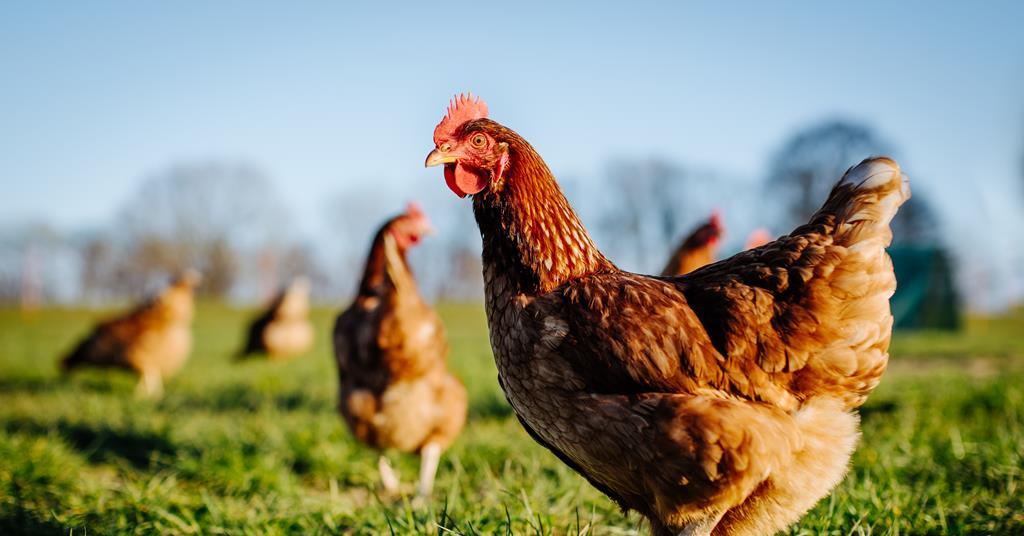
The government has unveiled proposals it says will improve the quality of life for laying hens and lambs as part of significant animal welfare reforms.
Under the proposals, all colony cage systems across the laying hen sector would be phased out by 2032, including for smaller producers.
Tighter restrictions on sheep mutilation practices, such as castration and tail docking, which cause pain to lambs and are often carried out without pain relief, are also being consulted on.
The proposals make up part of the first step towards advancing animal welfare reforms outlined in the long-awaited Animal Welfare Strategy which was published in December.
“We are committed to improving the lives of farm animals and to supporting farmers to produce food sustainably, profitably and to the high standards consumers expect,” said farming minister Angela Eagle. “British consumers want high animal welfare standards and these measures reflect those values, creating healthier livestock and high welfare food production.”
Read more
While a small part of the market, accounting for just over 20% of UK shell egg production, the government said the phasing out of enriched cage eggs would bring policy in line with best practice and public support. All major retailers other than Asda, Lidl and Iceland have moved to 100% cage-free systems.
“We are optimistic that this will be the first of many meaningful and lasting changes,” said Anthony Field, head of Compassion in World Farming. “Phasing out cages for the millions of hens kept behind bars every year cannot come soon enough, and we hope the outcome of this consultation will be an ambitious timeline for phasing out these cruel systems.”
The proposals also include new expectations for farmers to take steps to minimise pain when castration and tail docking has to be carried out for lambs.
According to the government, changes could include greater use of pain relief and consideration of alternative methods which farmers would get improved access to. This reflects the latest scientific evidence and follows expert advice from the Animal Welfare Committee.
This was also welcomed by CIWF as lambs are “routinely subjected to painful, unnecessary mutilations”.
“Castration and tail docking are usually carried out without anaesthetic or pain relief, causing great suffering, so this is an extremely encouraging move,” said Field.
The proposals will be subject to eight-week consultations, which opened today. Farmers, industry and animal welfare organisations are encouraged to share their views.
$(document).ready(function() {
if (window.location.pathname == ‘/advertise’) {
$.getScript(“https://tag.clearbitscripts.com/v1/pk_6c1cac1dc287e45bfaab20867b193dcb/tags.js”);
console.log(“Clearbit Loaded”);
}
});