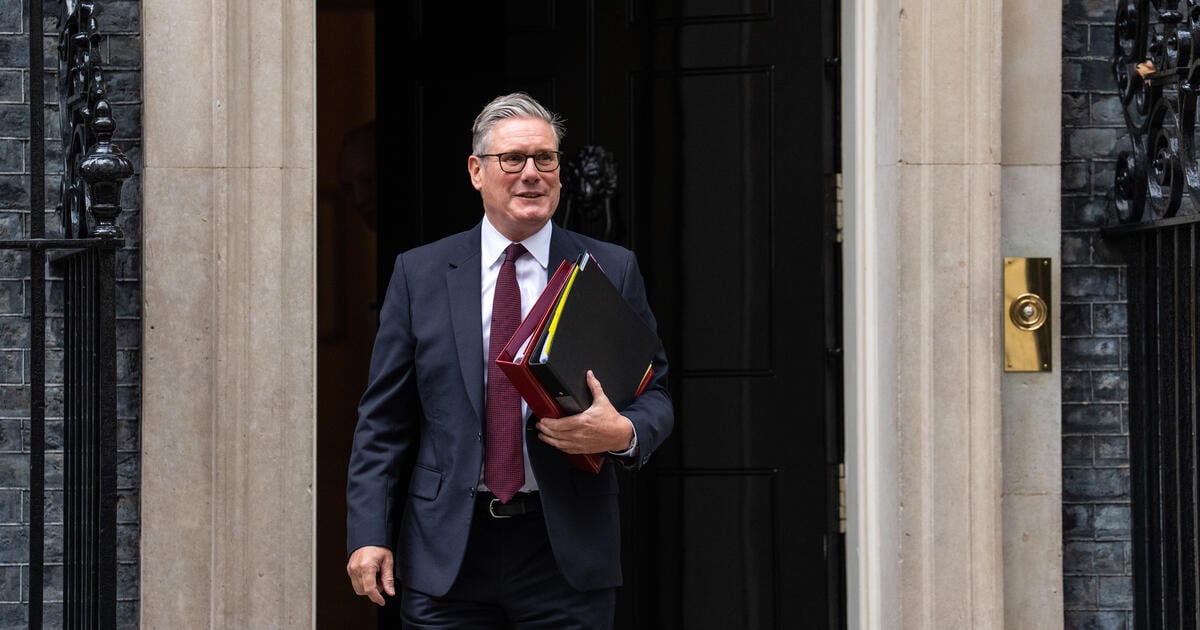
Starmer said he would “look closely” at an ongoing court case involving franchisees to see if “more can be done” to protect those operating franchises.
His comments came after the issue of pressure on franchising was raised during prime minister’s Questions.
More than 60 former Vodafone franchisees are currently in a High Court action against the mobile phone firm, with the case seen as a litmus test for whether the existing contract laws are sufficient to protect franchise operators.
“The prime minister’s comments are the clearest indication yet that statutory reform for franchising is under active consideration,” said Scott Oxley, QFP, a franchising expert with Pinsent Masons.
The issues around franchising have already attracted increased parliamentary scrutiny. Last year MPs raise concerns during a House of Commons debate about power imbalances between franchisors and operators, and issues around regulatory oversight.
The UK currently has no dedicated franchise laws, with arrangements governed in the main by a mix of contract, competition and intellectual property law.
The sector operates through self-regulation, most notably through the British Franchise Association’s Code of Ethics, which aligns with the European Code of Ethics for Franchising.
Recent legal cases have indicated the courts are more willing to examine cases involving unfairness in franchising, but legislative reform would have a more significant impact on how the industry operates, Oxley warned.
“If the case exposes structural weaknesses in the current set-up, the UK may move away from self-regulation toward a statutory framework, similar to those in France, Australia and North America,” he explained.
“This could mean mandatory pre-contractual disclosure requirements to enhance transparency, statutory duties of good faith to restrict unilateral contractual variations, and enhanced procedural safeguards governing dispute resolution and termination.”
“Franchisors should be proactive in reviewing their agreements and practices now, rather than waiting for potential legislation. Those who demonstrate fair dealing and transparency will be better positioned regardless of whether reform materialises at any point in the future”.