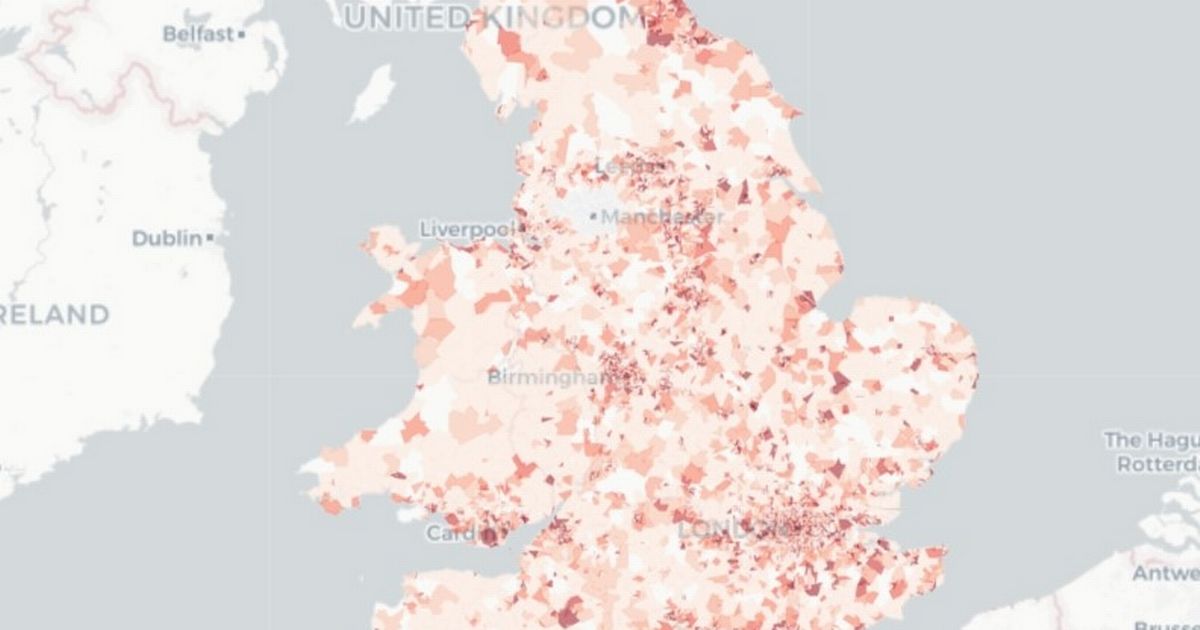
A new interactive map shows the worst areas for shoplifting in England and Wales after offences reached the highest number on record last year ahead of a new clampdown on a £200 ‘loophole’
Benedict Tetzlaff-Deas News Reporter, Richard Ault and Cullen Willis
19:22, 12 Jan 2026Updated 19:35, 12 Jan 2026
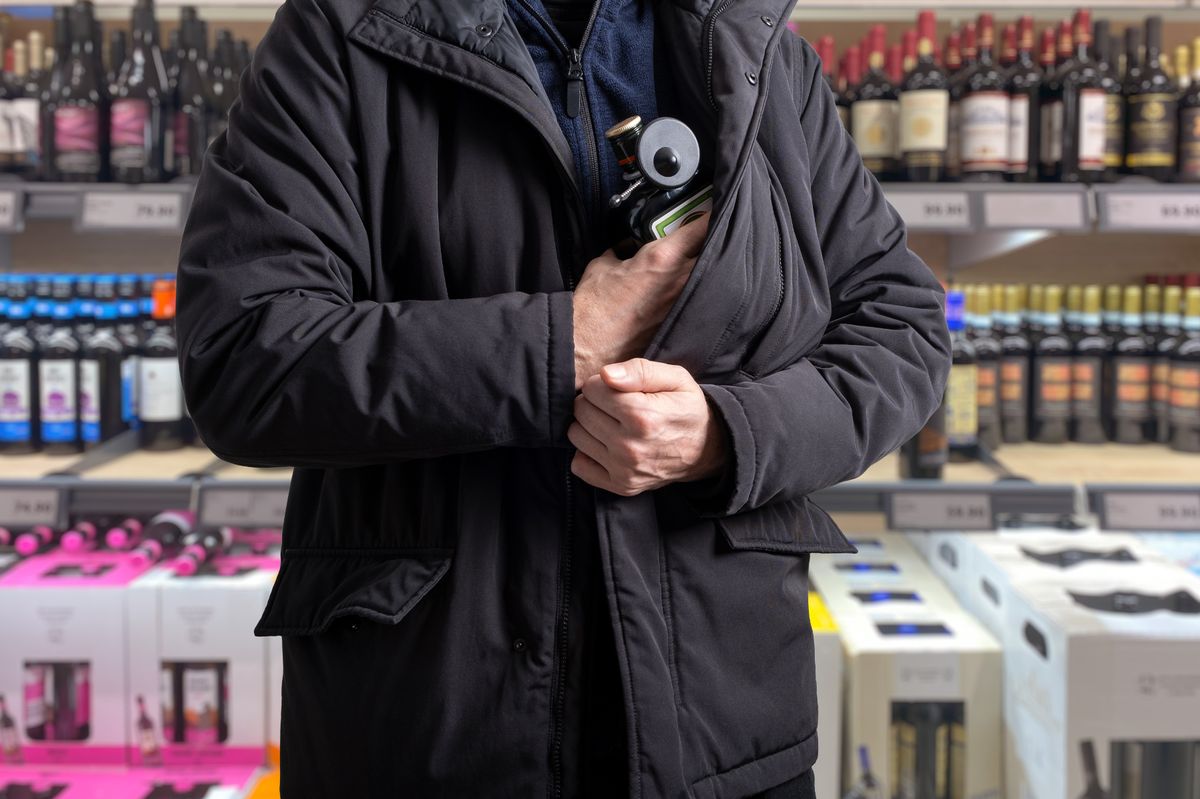
Shoplifting offences have reached the highest number on record(Image: Getty Images)
The worst areas for shoplifting in England and Wales have been revealed – and you can check how your town fares in our new interactive map.
Home Office figures show that shoplifting offences have soared across the nation since the pandemic as the cost of living crisis bites, with more than 530,000 crimes of shoplifting were recorded by police in England and Wales last – a 19% increase from 444,000 the previous year and the highest number on record.
The sharpest rise was seen in London, where theft from shops increased by 53% to almost 94,000 crimes recorded by the Met Police last year.
But the latest street-level crime figures show that in the 12 months to October, Leeds city centre experienced more reports of shop theft than anywhere else in England and Wales.
READ MORE: Shoplifting ‘epidemic’ leaves workers ‘dreading’ shifts over ChristmasREAD MORE: Next testing out AI scanners that detect stolen goods hidden in bras and pants
Leeds city centre topped the new list for number of shoplifting offences(Image: Getty Images/iStockphoto)
Interactive map reveals crime hotspots
You can see how much shoplifting goes on where you live, and how it compares with the rest of the country, using our interactive map:
The shoplifting capitals of England and Wales
Here’s a list of the top 10 areas and the number of shoplifting offences recorded:
- Leeds City Centre (Leeds) – 2,836
- North Laine & the Lanes (Brighton and Hove) – 2,401
- Fitzrovia West & Soho (Westminster) – 2,295
- Central (Birmingham) – 1,699
- City of London (City of London) – 1,686
- Leicester City Centre (Leicester) – 1,453
- Stone & Crossways (Dartford) – 1,418
- Central Milton Keynes & Newlands (Milton Keynes) – 1,369
- City Centre & Trent Bridge (Nottingham) – 1,296
- Strand, St James & Mayfair (Westminster) – 1,280
Leeds city centre tops the list
According to Home Office figures, police in Leeds city centre recorded an astonishing 2,836 crimes of shoplifting in the year to October, far higher than anywhere else in the country.
Second was Brighton’s North Laine & the Lanes district, the city’s bohemian hub of independent shops, outdoor stalls, restaurants, pubs, and cafes. A total of 2,401 shoplifting crimes were recorded in this area.
Fashionable Fitzrovia West & Soho had the highest levels of shoplifting in London, and the third-highest nationally, with 2,295 crimes recorded, followed by Birmingham’s Central district within the city centre (1,699 offences).
Rounding out the top five was the “Square Mile” City of London financial district, which has witnessed a significant increase in theft in recent years. The latest crime figures show there were 1,686 shoplifting offences recorded by police in the year to October.
Many incidents of shoplifting are believed to go unreported – and forces in some of the areas included in the list argue that their pro-active approach and close relationships with local shopkeepers means they inevitably end up recording more offences than other regions.
A spokesperson for West Yorkshire Police said: “Police in Leeds city centre work closely with retailers and key partners, including Safer Leeds, Leeds Business Improvement District, Businesses Against Crime In Leeds and Leeds City Centre Management, to maintain a longer-term problem-solving approach to shoplifting in the city centre and the societal issues which are often associated with it.
“The close support provided to retailers encourages them to report crimes; this enables us to build a more accurate picture of where to deploy resources targeting repeat offenders and vulnerable locations.
“Over the last year, this joint approach has led to Criminal Behaviour Orders being issued against prolific offenders in Leeds, as well as numerous arrests and other positive outcomes in terms of tackling this issue.
“Work is ongoing to secure more of these orders, and the city centre is regularly patrolled both overtly and covertly, so officers can build intelligence on those causing the most harm to the retail sector and take action when crimes are reported.”
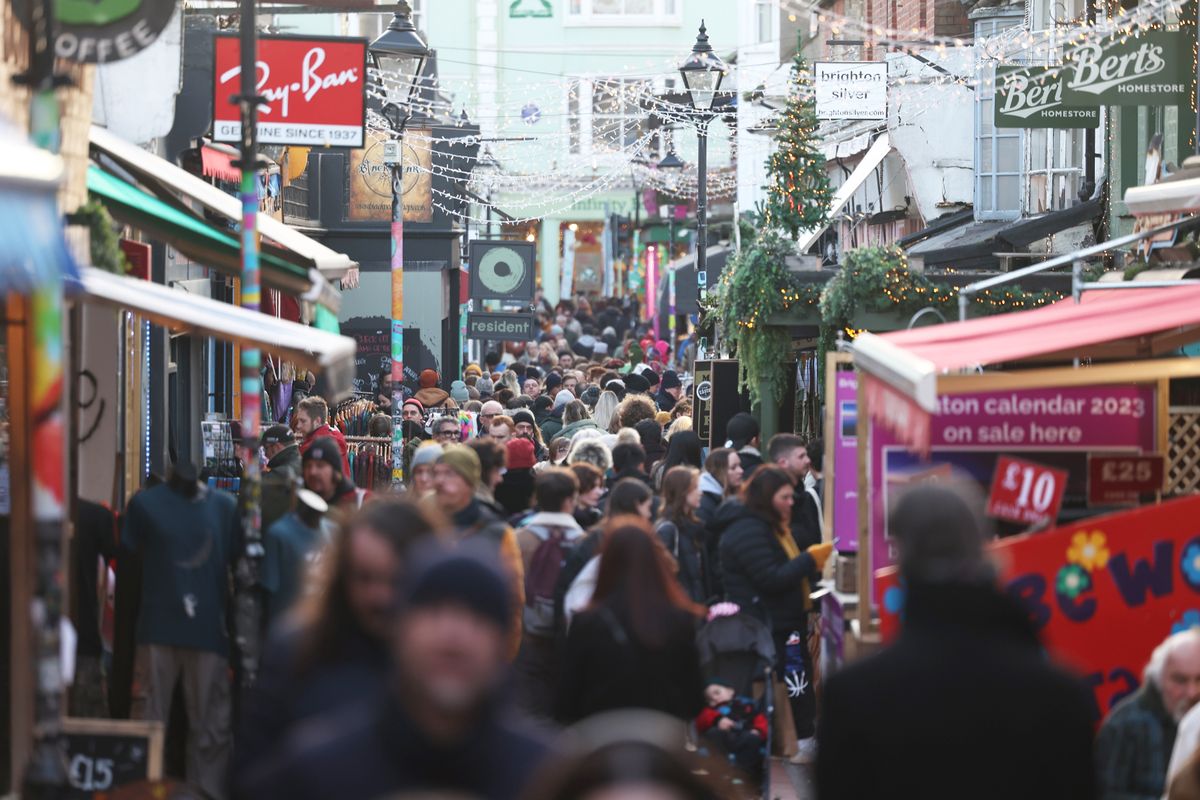
Brighton’s famous lanes featured second on the list of shoplifting hotspots(Image: Martin Burton/SussexLive)
‘Shoplifting has become an epidemic’
Crime figures are available for every one of more than 7,000 neighbourhoods in England and Wales, except areas covered by Greater Manchester Police, as the force has not supplied crime data for the last year.
Crime figures are available for neighbourhoods with between 7,000 and 10,000 residents, which the government designates as Middle Super Output Areas (MSOAs).
Police Scotland and PSNI have not provided data, and the statistics do not include crimes reported at train stations, as British Transport Police record them.
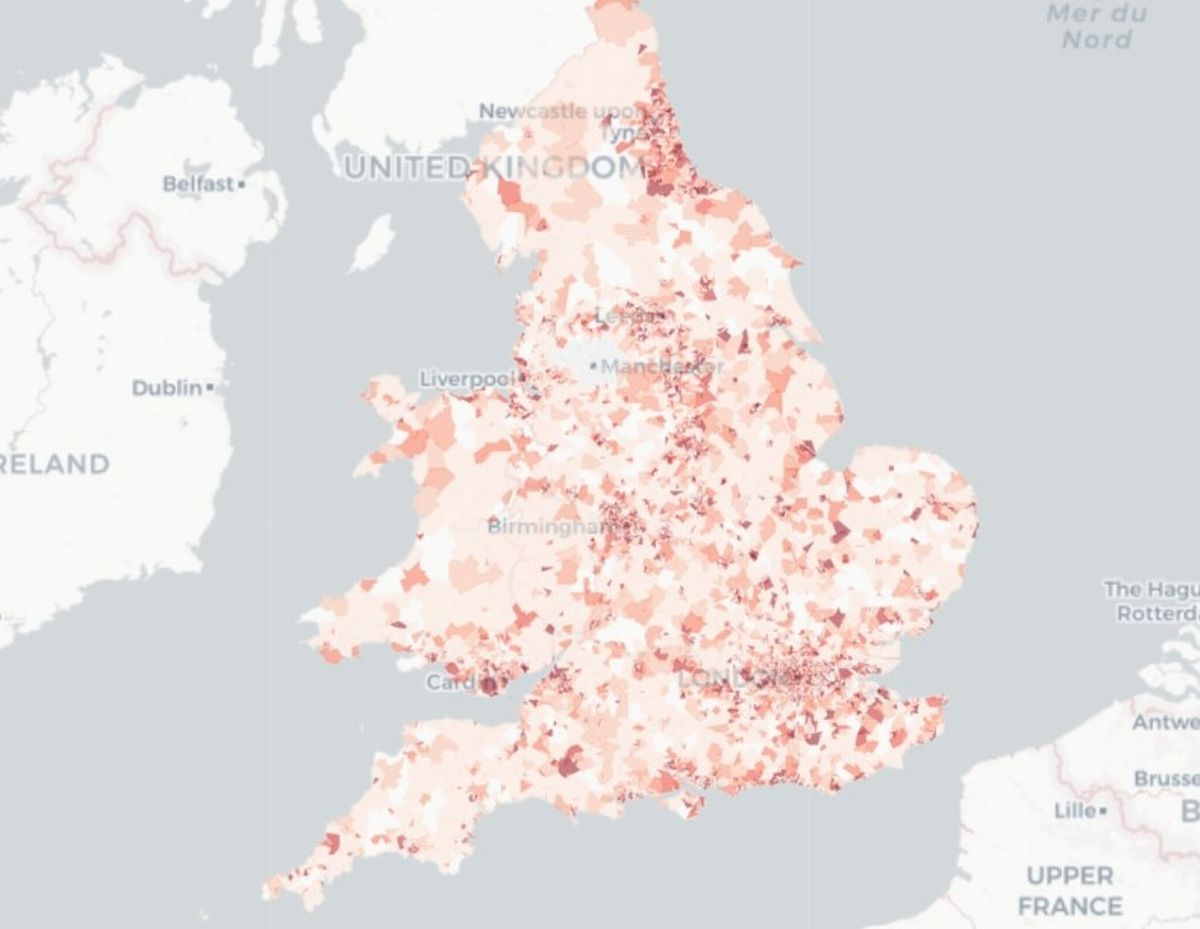
The data covers most police forces in England and Wales(Image: )
Shoplifting was first described as an “epidemic” in 2023 by Dame Sharon White, the chair of John Lewis Partnership, and since then, crime- and the cost to retailers – has spiralled.
The British Retail Consortium (BRC) said retailers footed an “eye-watering” £4.2 billion bill from crime in 2024, including £2.2bn lost to shoplifting, and £1.8bn spent on crime prevention measures.
Speaking in response to rising crime figures, Lucy Whing, Crime Policy Adviser at the BRC, said: “The causes are manifold, but the rise in organised crime is a particular concern, with gangs systematically hitting stores one after another, all over the country.
“Theft is also a major trigger for violence and abuse against staff. Incidents of violence and abuse have risen to over 2,000 per day.
“Fortunately, Government and police are committed to turning the tide on crime. We are edging closer to the implementation of the Crime and Policing Bill, which will soon go to the Committee Stage. The Bill will remove the £200 threshold for ‘low-level’ theft, which will send a clear signal that all shoplifting is unacceptable and will not be tolerated.”
New laws to clamp down on £200 ‘loophole’
The Crime and Policing Bill passed its third reading in the House of Commons and is now being scrutinised by the House of Lords. It is expected to become law later this year.
It aims to crack down on shoplifting by removing the £200 “low-value” threshold, which means theft of goods below that value is currently a summary-only offence, dealt with by magistrates, leading to a perception that many shoplifters are getting off lightly.
The bill will also create a new standalone offence of assaulting a retail worker.