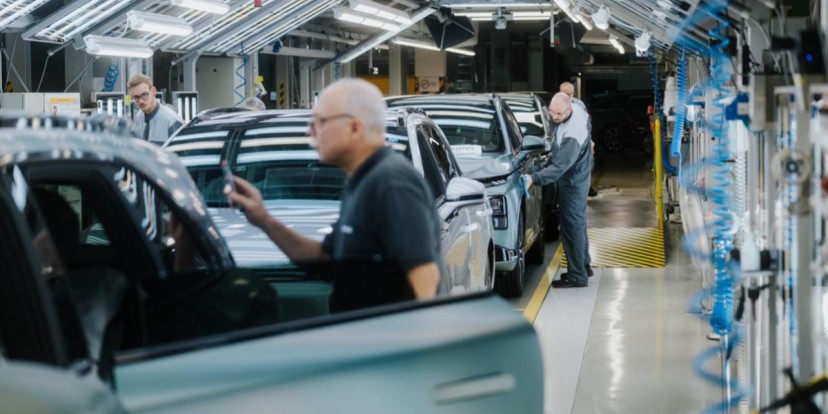
On January 12, 2026, officials from China and the European Union announced a major agreement. They reached a consensus on how to handle the prices of Chinese battery electric vehicles sold in Europe. This new plan offers a different path than the heavy taxes that were put in place over a year ago.
To understand this new deal, we have to look back at 2024. The European Union decided to put extra taxes, known as tariffs, on electric cars coming from China. The EU officials believed that the Chinese government was giving too much financial help to its car companies. This support made it possible for Chinese brands to sell their cars much cheaper than European brands could.
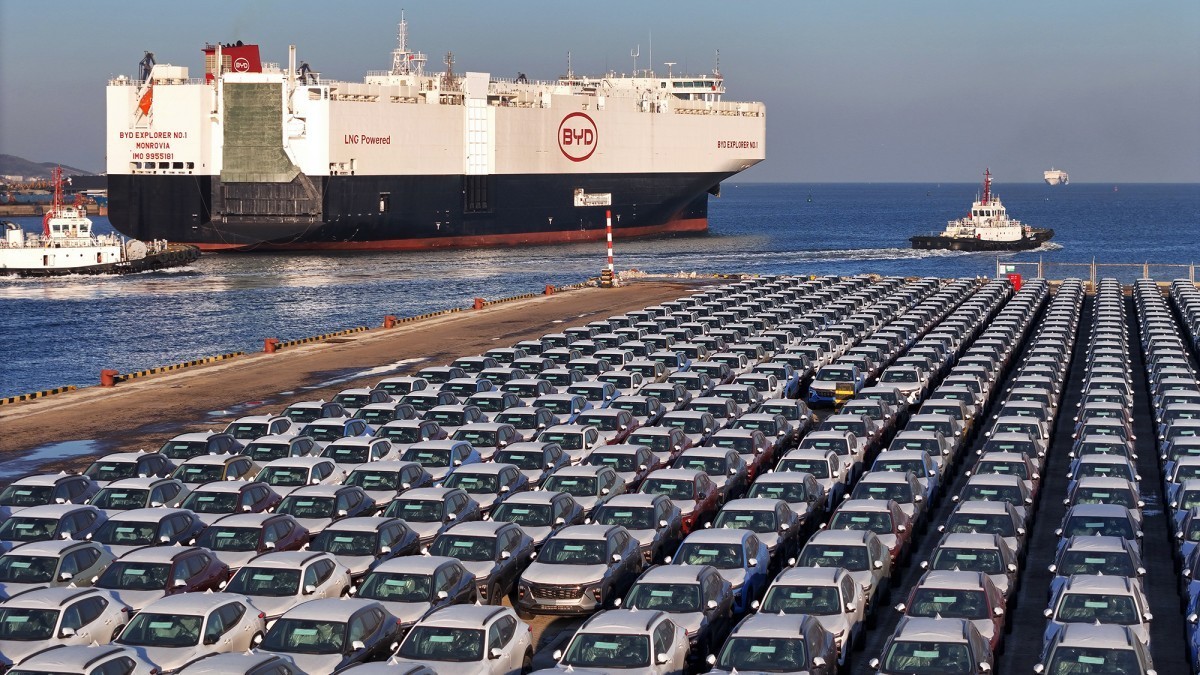
The EU wanted to make things fair. So, they added tariffs of up to 35.3 percent on top of the standard 10 percent import tax. This meant some cars became much more expensive to bring into Europe. Major brands like BYD faced an extra 17.0 percent tax, while others like SAIC faced the full 35.3 percent. Even Tesla, which makes cars in Shanghai, had a special rate of 7.8 percent. China did not agree with this policy, and trade relations became tense.
Now, in January 2026, things are cooling down. The Ministry of Commerce in China reported that both sides have agreed to a new system. Instead of just paying the high tariffs, Chinese car exporters can now agree to a “price undertaking.”
This term might sound complicated, but the idea is simple. A price undertaking is a promise. Chinese car makers promise to sell their electric cars in Europe at a price above a certain minimum level. If they agree to this minimum price, they do not have to pay the extra anti-subsidy duties. Experts at the China Chamber of Commerce for Import and Export of Machinery and Electronic Products (CCCME) called this result a “soft landing.”
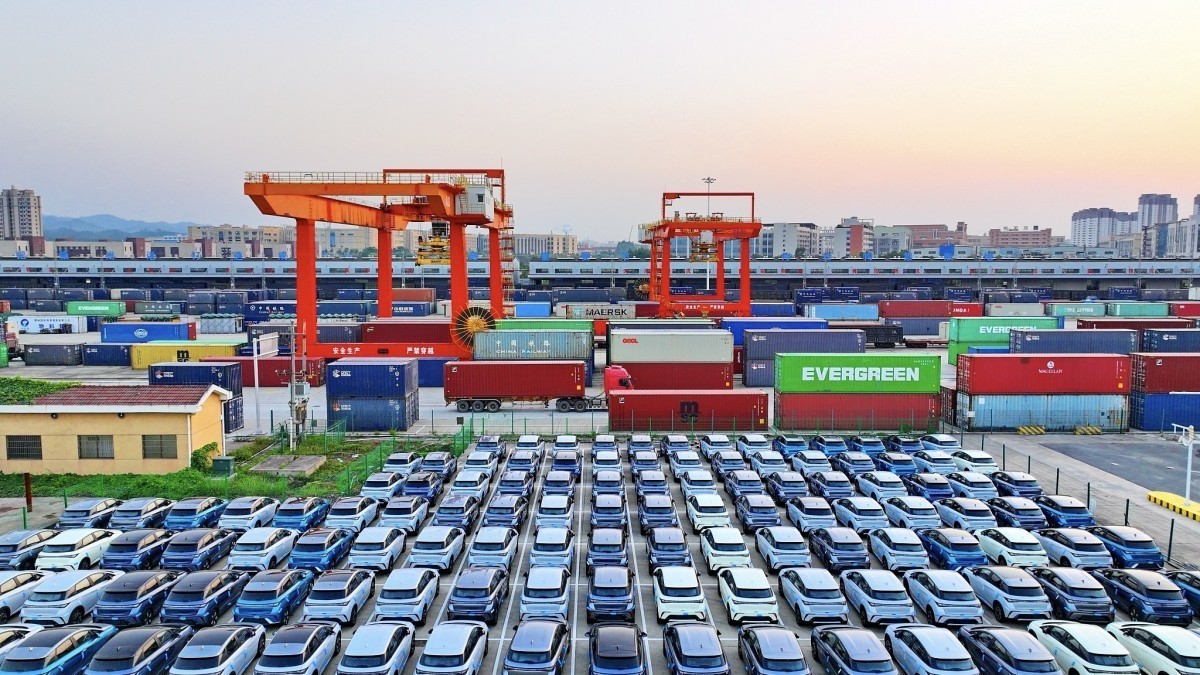
The European Union will publish a “Guidance Document” to explain the rules. This paper will tell Chinese companies exactly how to submit their price offers. The goal is to make sure every company is treated the same way. The EU promised to check every offer fairly and objectively. They will look at the legal rules and make sure everything follows the standards set by the World Trade Organization (WTO).
This guidance is very important for companies like Geely, Nio, and XPeng. It gives them a clear list of steps to follow. If they follow the rules and set their prices correctly, they can avoid the extra taxes. This helps them keep their business running smoothly in countries like Germany, France, and Spain.
It is not yet clear if the old tariffs of 35.3 percent will be removed completely for everyone. However, the CCCME says that the European Commission has pledged to review applications from Chinese companies honestly. Eligible companies can use these price promises to replace the duties.
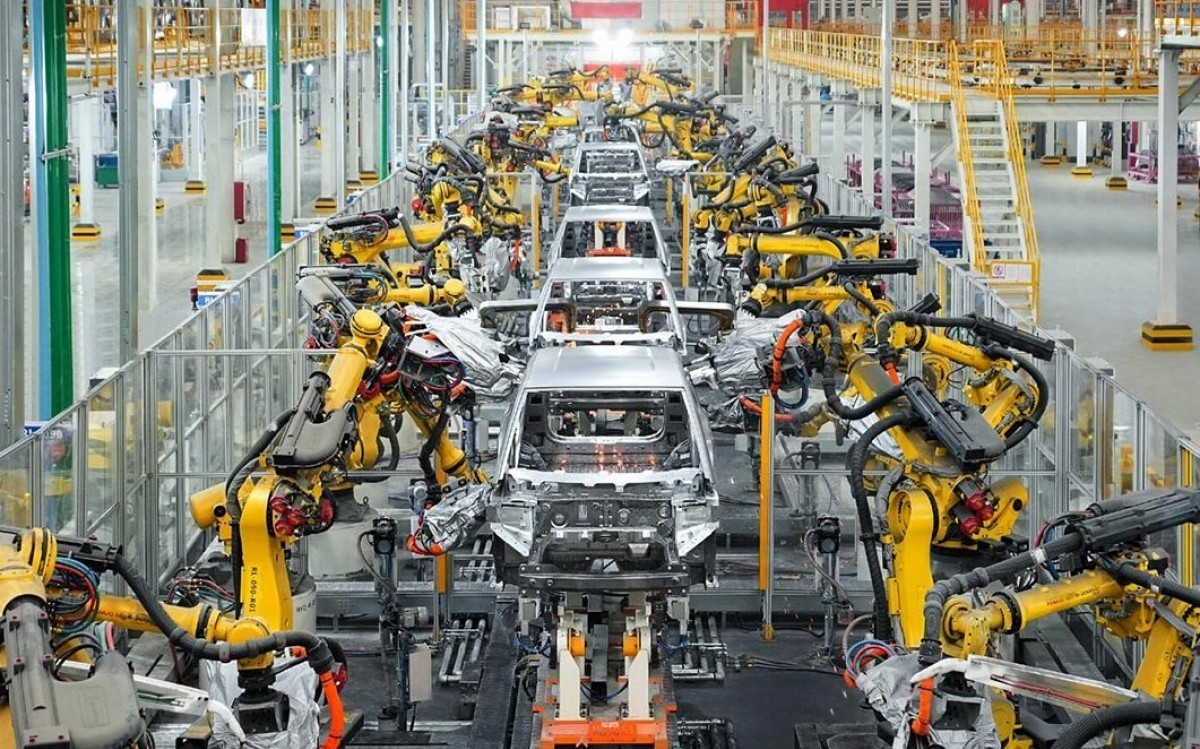
The EU will set a specific minimum import price for each Chinese maker of New Energy Vehicles (NEVs). This price will likely depend on the type of car and its features. By doing this, the EU ensures that cheap imports do not hurt European car factories, while Chinese brands can still sell their EVs to European customers.
This agreement is a big step for the global car market. It shows that two major economic powers can solve their problems through talking instead of fighting. For the average person looking to buy an electric car, this stabilizes the market. It ensures that a wide variety of EVs will remain available.
The deal also hints that Chinese companies might invest more in Europe. The guidance suggests that future plans to build factories within the EU could help companies get their price offers approved. As 2026 moves forward, we will see how each brand adjusts its prices to fit these new rules.