13
Jan 2026
Germany asylum applications fell by about half in 2025, hitting their lowest level in more than a decade as the country tightened border controls.
Government data shows that fewer than 115,000 first-time asylum claims were filed across Germany last year, following tougher migration rules introduced after Chancellor Friedrich Merz took office.
Decade-low asylum claims
Germany recorded about 113,236 first-time asylum applications in 2025, according to figures published by the Federal Interior Ministry.
The total is less than half of the 229,751 applications filed in 2024 and far below the levels seen in 2023, when claims exceeded 329,000.
Interior Ministry data shows that the decline unfolded steadily over the year, with monthly applications falling as border enforcement measures were expanded. The figures refer only to first-time asylum requests and exclude repeat filings.
Chancellor Friedrich Merz took office in mid-2025, when migration policy had already become a central political issue. After entering office, his government moved to tighten border checks and adjust asylum-related procedures.
Tighter checks on borders
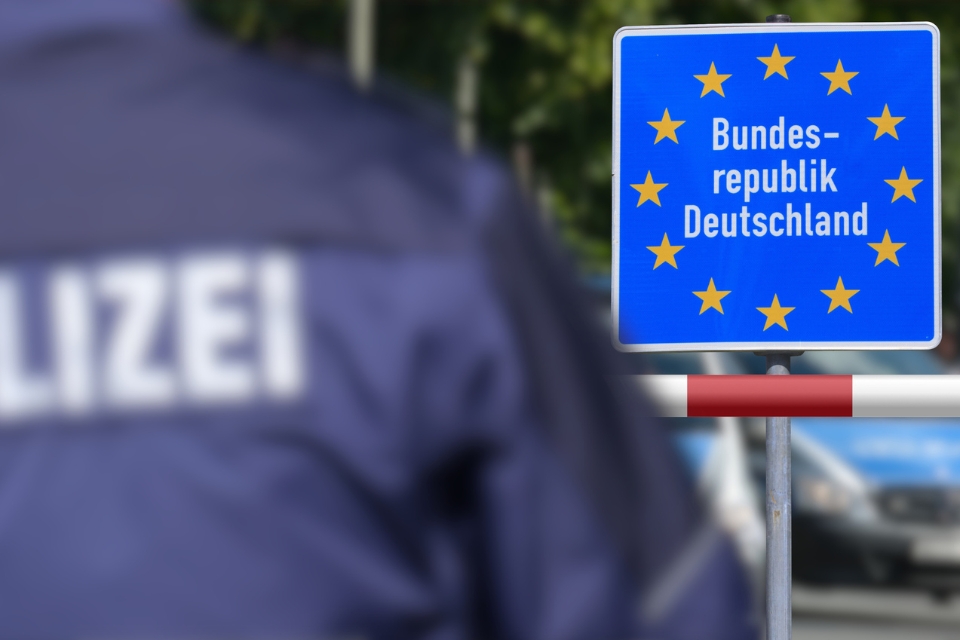
Federal police increased checks at Germany’s land borders with Poland, Austria, Switzerland, and the Czech Republic.
The Interior Ministry said that people without valid entry documents were turned back at official crossing points under existing border rules.
The ministry also reported a rise in deportations in 2025, with returns increasing by around 20% compared with the previous year.
Officials said that the removals focused on people whose asylum claims had already been rejected and who no longer had legal grounds to stay.
Family reunification was also restricted. Data from the Foreign Ministry showed that far fewer visas were issued to relatives of asylum seekers than in earlier years, following changes to eligibility rules.

(Image courtesy of AdrianHancu via iStock)
Government’s enforcement approach
In official statements released in 2025, the Interior Ministry said that the goal of the policy changes was to reduce irregular migration while maintaining access to asylum for people who meet legal requirements.
In a New Year’s address, Chancellor Merz said that Germany was pursuing stricter controls on irregular migration while continuing to work on legal migration pathways.
He said that asylum procedures would continue to operate within German and European law.
The government also said that border measures were coordinated with neighboring countries, many of which had already expanded their own checks amid wider European efforts to manage migration flows.
Syria affecting Germany’s numbers
Migration data suggests factors beyond German policy also shaped asylum numbers in 2025.
According to figures cited by nonprofit group Mediendienst Integration, the number of Syrians seeking asylum in Germany fell after political changes in Syria in late 2024.
The group estimated that around 948,000 Syrians were living in Germany as of November 2025, with some returning under a government-supported program that covers travel costs and short-term assistance.
European border agencies also reported fewer arrivals through routes in the Balkans and the eastern Mediterranean. Italy recorded lower numbers after tightening its own border controls, a shift that can influence onward movement toward northern Europe.

(Image courtesy of Stadtratte via iStock)
Political debate remains active
The drop in asylum applications has become a focal point in Germany’s domestic debate on migration. Members of the governing coalition have pointed to the figures when discussing the impact of enforcement measures.
At the same time, migration policy continues to divide political parties. The far-right Alternative for Germany party has maintained strong polling numbers, while other parties have raised legal concerns about some border practices.
German courts have reviewed parts of the policy. In the summer of 2025, a Berlin administrative court ruled that several migrants were turned back illegally at the Polish border because the legal conditions for the action were not met.
The ruling applied to the individual cases involved.
Labor needs enter discussion
The asylum figures have also drawn attention from business groups and labor economists. Germany faces labor shortages in sectors including healthcare, construction, and manufacturing.
Economic estimates cited by government agencies indicate that Germany needs hundreds of thousands of additional workers each year to stabilize its workforce. Many refugees who arrived in earlier years are now employed, particularly in essential services.
Officials have said that asylum policy and labor migration policy are handled through separate frameworks. The Interior Ministry has said that work visa programs remain part of the government’s broader migration system.

(Image courtesy of Binder Medienagentur via iStock)
Germany and tightening travel rules
Germany’s asylum data comes as the European Union prepares to roll out new entry requirements for short-term visitors.
Starting in late 2026, travelers from visa-free countries will need approval through the European Travel Information and Authorization System (ETIAS) before entering most EU member states, including Germany.
ETIAS requires travelers to apply online in advance, with authorization linked to their passport.
EU institutions have said ETIAS applies to short stays and does not replace visas. Border guards will continue to make final entry decisions when travelers arrive.
Moving forward
Interior Ministry officials said that asylum figures from early 2026 will indicate whether the downward trend continues. Federal police are expected to maintain expanded border checks in the coming months.
The government has said that coordination with EU partners will continue as part of shared migration management efforts. Germany remains bound by European asylum law and existing international agreements.
For now, the 2025 figures mark one of the lowest annual totals of asylum applications Germany has recorded in more than a decade, adding new data to a long-running national and European debate.