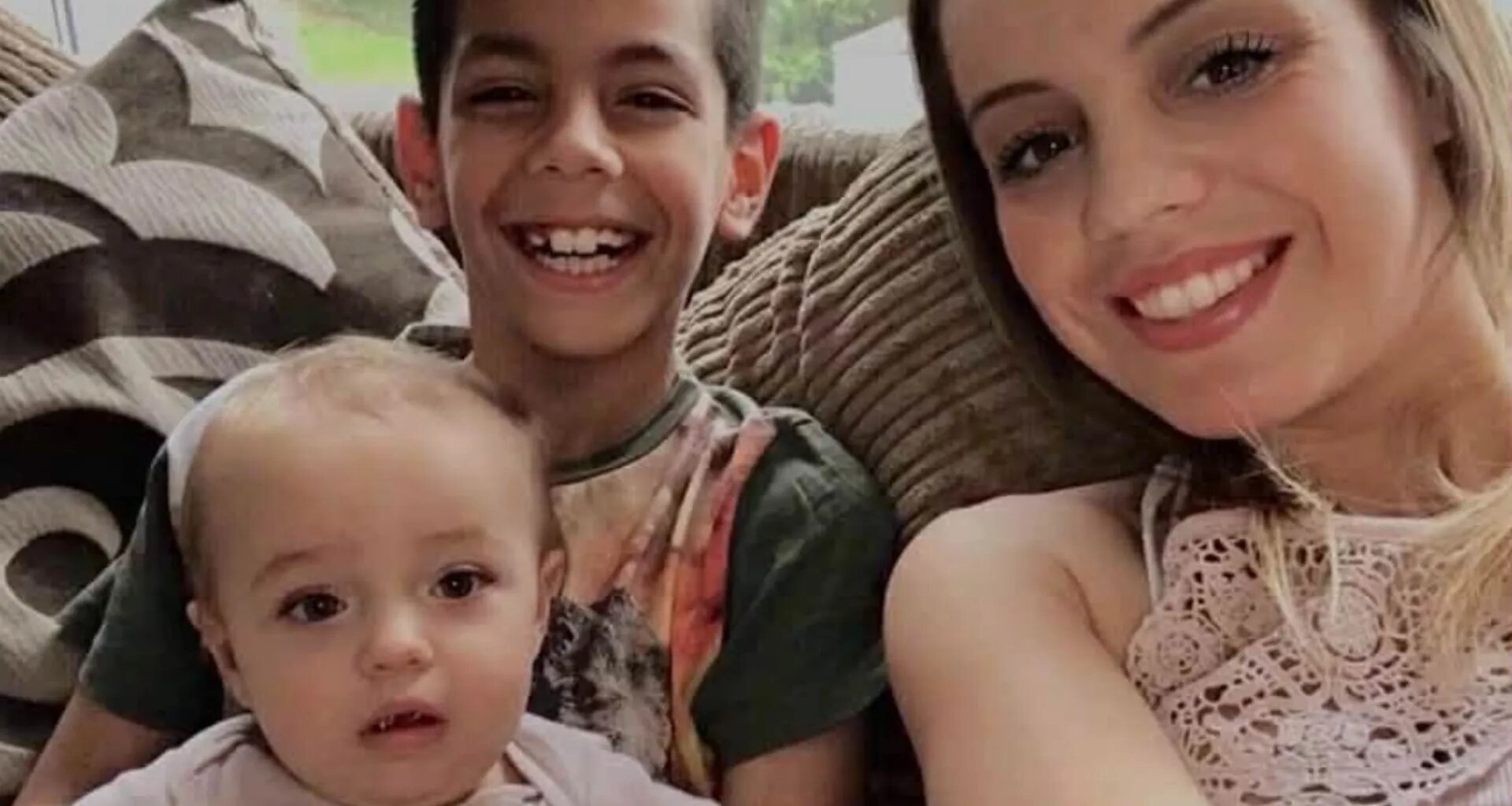
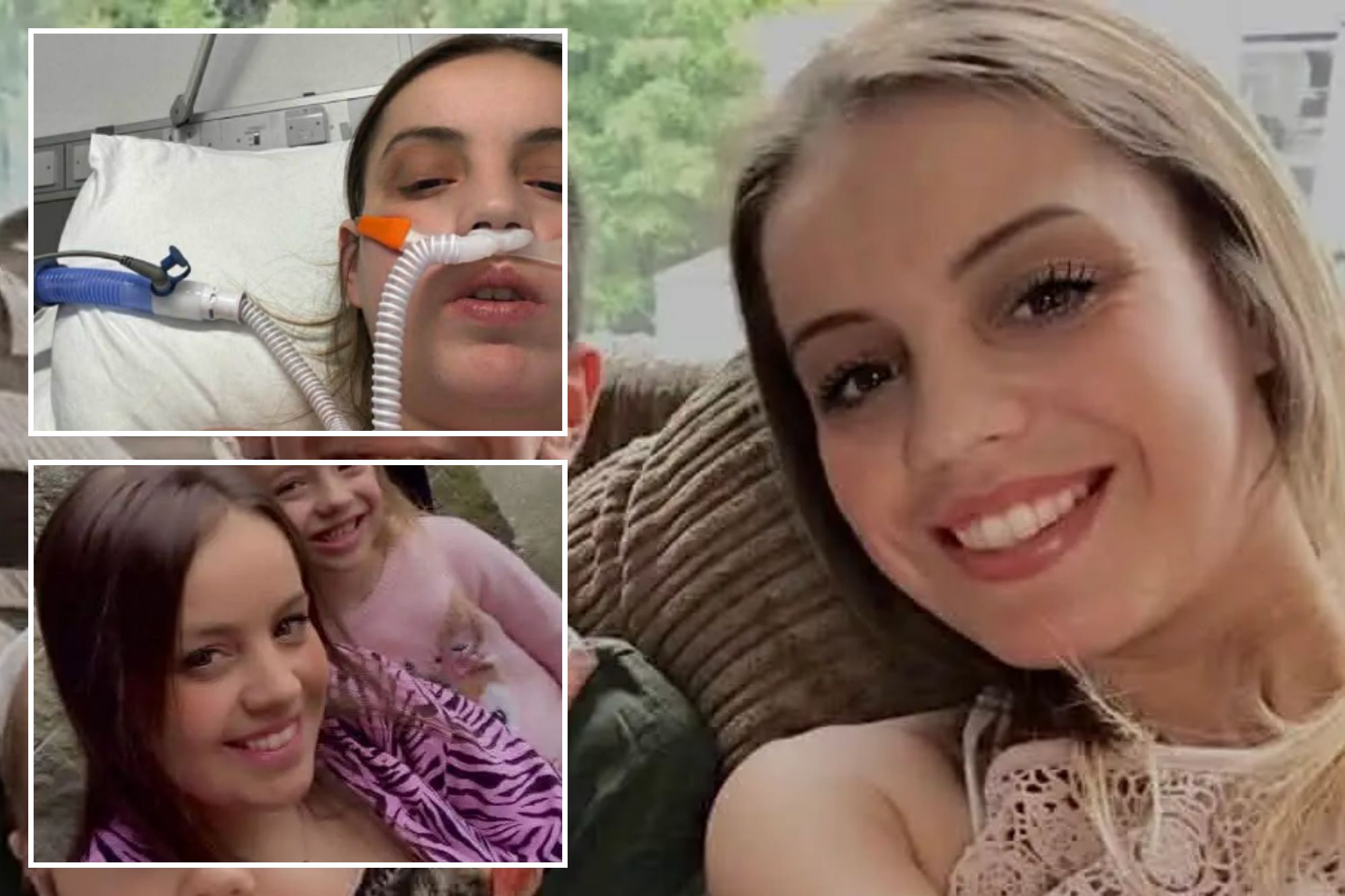
A BRAVE Scots mum with cystic fibrosis could need a double lung transplant after a Covid infection left her in hospital for five months.
Ashley Grigor, 33, was told her lung function may never recover after it dropped to just 50 per cent of its normal capacity when she began struggling to breathe last year.
Sign up for Scottish Sun newsletter
Thank you!
Brave mum Ashley GrigorCredit: Iona Young
She had to spend five months in hospital
She contracted Covid in September 2025, causing her asthma to worsen and later caught pneumoniaCredit: Iona Young
The mum-of-two, from Burntisland, Fife, was rushed back to hospital on New Year’s Day after returning home for Christmas – having been confined to a bed away from daughter Jane-Ashley, eight, and son Kye, 16, due to the severity of her condition.
Ashley, who was diagnosed with the illness at 11 months old, previously managed it with medication, however has now been told there’s a possibility she’ll need the transplant if she fails to improve.
Ashley told how she “cried and hid in the bathroom” when a doctor told her about the possibility of undergoing the procedure.
She said: “When my consultant told me I might need a double transplant, I didn’t know what to think or say at first.
MAPPED
Mutant ‘super flu’ hotspots revealed as NHS trusts declare ‘critical incidents’
JABS UP
Triple-strength fat jab dose gets NHS green light – users shed ‘25% of body weight’
“I was thinking about all the ‘what ifs’; What if I don’t have the life ahead of me now that I did? What if I’m not here for my kids growing up anymore? “What if I don’t make the transplant?”
Cystic Fibrosis, also known as CF, is an inherited genetic condition that causes thick, sticky mucus to build up in the lungs, digestive system, and other organs.
It can lead to breathing problems, frequent infections, and other serious health complications.
Ashley also now suffers from asthma and severe bronchiectasis, due to permanent scarring and damage caused by the disease.
She explained how she contracted Covid in September 2025, causing her asthma to worsen and later caught pneumonia.
Ashley was put on four courses of antibiotics at the Western General Hospital in Edinburgh.
She has since lost about half of her lung capacity and has been told her lungs are struggling to regain their regular function.
It has left her “breathless” after minimal activity and she said she can “feel a shift” in the way her body feels.
She said: “Over the last six months my asthma became much worse and I haven’t responded to treatment the way I should.
“It’s hard to explain but I can feel it in my lungs and I’m not sure if this is my new normal and a transplant is going to be the way forward for me.
“It’s just a case of wait and see. I’m so used to bouncing back without a few days or a week but it’s just not happening anymore.”
What are the symptoms of cystic fibrosis?
If you have cystic fibrosis, your body makes a thick sticky mucus that can affect your lungs and digestive system. This can cause lots of symptoms and make you more likely to get infections.
Symptoms affecting your lungs include:
- a cough that does not go away and brings up mucus
- wheezing and shortness of breath
- frequent sinus infections (sinusitis) and chest infections
Symptoms affecting your digestive system include:
- constipation
- stomach pain, bloating and swelling
- large, greasy and sticky poos that are hard to flush away
Cystic fibrosis can affect other parts of your body and cause other symptoms, such as:
- in children, not growing as quickly as expected
- in adults, losing weight without trying to
- swollen fingertips and rounder nails
- very salty sweat, which can leave small crystals on your skin
Cystic fibrosis is usually found shortly after birth as part of the NHS newborn screening programme.
But if the condition goes undiagnosed, symptoms may only become noticeable when a child is a teenager.
You should see a GP if:
- You or your child have symptoms of cystic fibrosis and you’ve not been diagnosed with it
- You’re worried about your child’s growth and development
- You’re pregnant or planning a pregnancy and someone in your or your partner’s family has cystic fibrosis
Help and support for those affected by cystic fibrosis is available through specialist charities like the Butterfly Trust and NHS services.
Source: NHS UK
Ashley added: “A transplant comes with so much uncertainty and risk. It’s not a straightforward process.
“Now I just have to hope for the best, I’m still getting tests done to figure out what exactly is happening but they are preparing for the worst because I’ve lost over 50% of my lung function.”
Ashley’s health previously severely deteriorated five years ago when she spent nine months in hospital due to the condition and had to be fed through a tube. She was later treated with the drug “Kaftrio,” put into use by the NHS in Scotland in 2020, which helps the lungs work more efficiently.
“It quietly takes pieces of your life — time, energy, spontaneity — things most people don’t realise they have until they’re gone.”
Ashley described its impact as “life-changing,” adding: “I could breathe without hearing crackling in my chest and throat, I could walk hills and stairs and more without even thinking about my breathing, and I wasn’t coughing at all.
“I was very lucky to even have kids. I’ve always struggled with day to day life, always been a bit more tired and took a lot of energy to do normal things but when I started Kaftrio it was like a switch all my symptoms disappeared.
“Now I feel I’m back to where I was, if not worse.”
If her condition doesn’t improve in the next couple of weeks, Ashley could need a double lung transplant which would replace the Kaftrio as a treatment for her respiratory conditions.
Ashley said: “Cystic Fibrosis isn’t just about coughing or taking tablets. It quietly takes pieces of your life — time, energy, spontaneity — things most people don’t realise they have until they’re gone.
“You learn to be strong because you have to, not because it’s easy. New treatments have changed a lot, and I’m grateful for them, but it is still a full-time, lifelong fight.
“Progress doesn’t erase the years it’s already taken.
“People talk about strength like it’s staying positive or holding it together. But sometimes strength is lying in a hospital bed with a broken heart, letting the tears come, and loving someone so much it physically hurts to say goodbye.
“I don’t know when this will get easier. I just know that every visit and looking at both my children reminds me what I’m fighting for and every goodbye reminds me how much love can ache.”
She added: “I have the most amazing care team and I wouldn’t have been able to get through this if it wasn’t for them, they are just like a second family.”