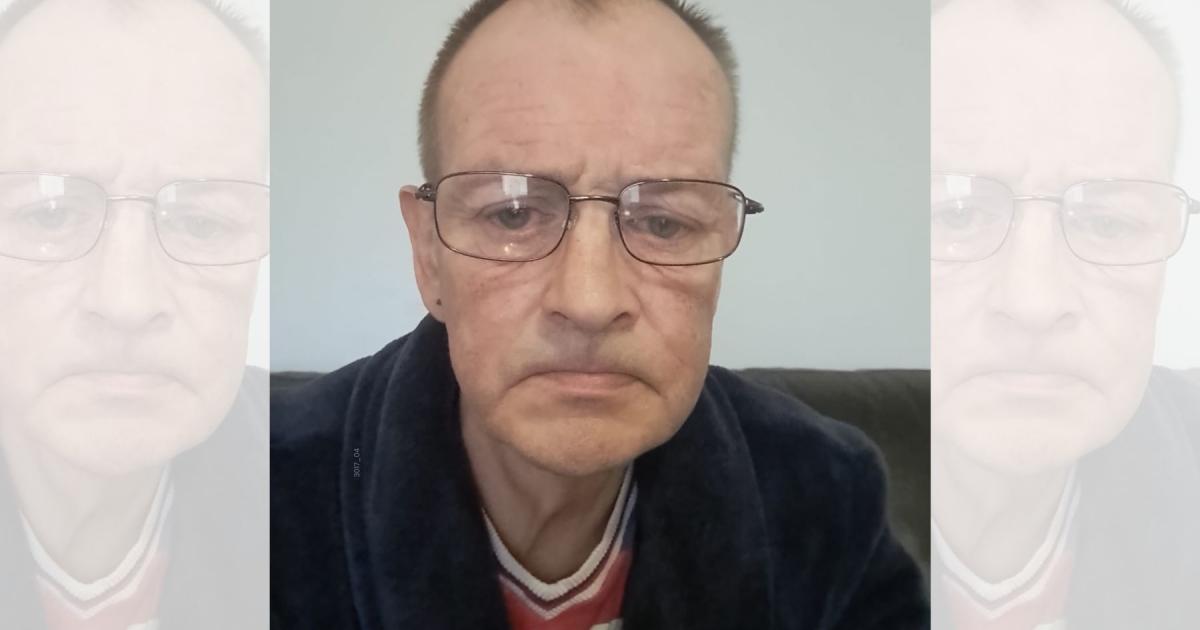
Kevin Jones, 56, from Newport, has been waiting around nine to ten months for a specialist video urodynamic examination to assess the function of his bladder and prostate. An appointment scheduled four weeks ago was cancelled due to consultant sickness, and he has since been rebooked for March 26.
Veteran questions NHS priorities amid long urology wait (Image: Kevin Jones)
Mr Jones, who served in the armed forces, is currently living with a catheter and leg bag, is unable to work, and is receiving regular support from district nurses. He said the test is essential to determine whether there is an underlying condition affecting his bladder or prostate.
His concerns followed recent reporting on a ketamine-related urology pathway linked to the Royal Gwent Hospital, which he feared might mean people with drug-related conditions were being prioritised over other patients.
“The urology department, when I’ve been there, they’ve also been really good, I think it’s the policy of treating drug addicts before people that actually need, you know, the help, that’s unfair.”
Aneurin Bevan University Health Board (ABUHB) said the ketamine pathway does not provide preferential treatment and does not involve a separate waiting list for surgery or investigations.
In plain terms, the Health Board said the pathway is part of a multi-agency “task and finish group” established in June in response to an increase in ketamine use and the serious bladder and kidney damage it can cause. The focus is on health promotion, education and early intervention, often outside hospital settings, to prevent people needing urology treatment at all.
Ketamine users who do require urology care are added to the general waiting list, with cancer patients always prioritised. Bladder removal, known as cystectomy, remains a rare outcome for ketamine-related cases and results in a urostomy bag, not a replacement bladder.
A spokesman for ABUHB said: “We’re sorry that Mr Jones’ procedure was postponed. Occasionally, postponing clinics is unavoidable due to staffing pressures, particularly for highly specialist procedures requiring specific skillsets.
“More generally, our urology services are experiencing extreme demand, pressures which are seen right across NHS Wales. Our staff continue to prioritise the most clinically urgent cases and work to reduce waiting times.”
The Health Board added that its Keeping Well service offers support and guidance to patients awaiting treatment.
Anthony Vaughan, strategic operational lead at homelessness charity The Wallich, said:
“Having sensible policies and health initiatives around drugs is what we’re all about at The Wallich. We’re pleased to hear the NHS responding to an emerging health trend, before it’s too late. Ketamine-related bladder and kidney damage is a growing public health concern because ketamine is easy to acquire in pockets of Wales, and appealing to young people particularly due to the cost compared to alcohol. Many start using it casually, but the damage can happen quickly. These conditions are not only painful and life-altering, but can lead to long-term complications such as chronic infections, incontinence, bladder damage or removal and kidney failure if left untreated.
“Tailored care means earlier intervention, which reduces emergency admissions and higher demand for care further down the line – ultimately easing pressure on the wider NHS. Addressing substance-related harm through dedicated health services, as opposed to making it a justice-issue, is key to long-term recovery and better outcomes.”
For Mr Jones, the issue remains the impact of delays on everyday life, as he continues to wait for clarity on his condition while relying on ongoing community nursing care.