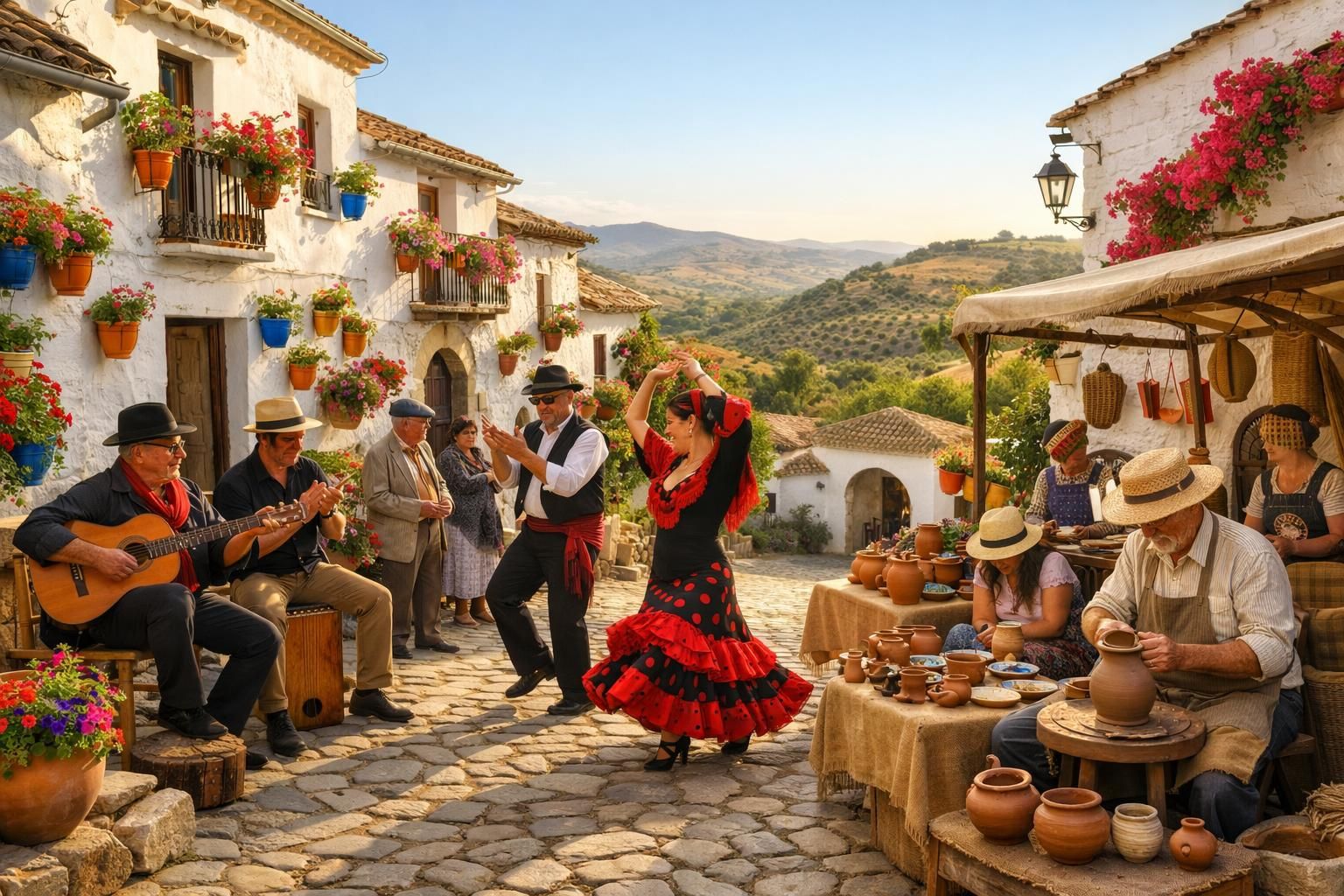
Spain’s tourism story is being rewritten away from the familiar postcard scenes of Barcelona’s boulevards and Madrid’s golden art triangle. Faced with the twin realities of record visitor demand and mounting pressure on housing, transport, and daily life in the most famous districts, policymakers and local leaders are steering attention toward cultural tourism rooted in smaller places—where traditions are lived rather than staged. The goal is not to dilute Spain’s magnetism, but to spread it more evenly: to invite travelers into small towns, inland landscapes, and craft-centered communities that can offer the kind of authentic experiences many visitors say they want, while also keeping local neighborhoods viable for residents.
That shift is more than marketing. Vehicle caps, tighter rules on short-term rentals, tourist taxes, and timed entry at heritage sites are changing how people move through Spain, nudging itineraries toward slower travel and longer stays. The result is a new kind of map: one where a Roman theater in Extremadura, a wine cooperative in La Rioja, or a language-and-music workshop in inland Catalonia can be as compelling as the big-city highlights. What emerges is a practical idea with cultural weight: when visitors go off the beaten path, they can help protect what brought them in the first place—living traditions, local pride, and landscapes that still feel like home.
- Overtourism measures are reshaping travel behavior, from visitor caps at key landmarks to tourist taxes that fund local services.
- Rural tourism is gaining momentum in regions such as Castilla-La Mancha, Extremadura, and La Rioja, where longer stays bring steadier income.
- Heritage sites increasingly require pre-booking, encouraging travelers to plan ahead and explore lesser-known alternatives nearby.
- Local culture is being promoted through crafts, language diversity, and community-led events rather than mass spectacle.
- Regional cuisine is a major driver of travel dispersion, linking markets, wineries, and family-run restaurants to cultural storytelling.
Spain’s Cultural Tourism Strategy Beyond Major Cities: Why the Map Is Expanding
In Spain, tourism is not a side industry—it is a pillar. Recent official readings have shown tourism driving a large share of real economic expansion, and non-resident spending has been a major contributor to overall growth. That dependence is precisely why the country is now pushing hard to diversify where visitors go. When a handful of neighborhoods absorb the bulk of demand, the benefits become uneven and the costs—crowded streets, strained transit, noise, and rising rents—become politically explosive. The new strategy is to keep the value of travel while easing the burden, using cultural tourism as the bridge between economic goals and social stability.
Consider a simple travel pattern: a first-time visitor lands in Barcelona, stays in a short-term rental, and spends most time in the Gothic Quarter and on the main shopping arteries. Multiply that by millions and the friction is obvious. Now compare it to a redesigned itinerary: a traveler spends two nights in Barcelona, then takes a train toward inland Catalonia for modernist heritage beyond Gaudí, continues to Aragón for Mudéjar art, and ends in a small town hosting a summer music festival. The second trip distributes spending, reduces congestion, and often feels more personal. Spain’s current direction aims to make that second path easier and more desirable.
This policy logic also aligns with how travelers’ motivations are changing. Data and industry commentary around experience-led demand—nature, gastronomy, active travel, and cultural immersion—suggest that the “tick-the-landmark” model is giving way to learning, tasting, and participating. People still want icons, but they also want stories: who makes this cheese, why this dance matters, what this local saint day means, how this language survived? That is why cultural promotion now emphasizes not just monuments but everyday heritage—workshops, markets, local museums, and traditional festivals that connect visitors with community rhythms.
A useful way to picture the shift is to follow a fictional traveler: Maya, a Canadian architect visiting Spain for the second time. On her first trip, she rushed through Madrid and Barcelona. On her return, she chooses Valladolid for its literary history, then heads to a village in Castilla y León where an old flour mill has been turned into a cultural center with exhibitions and bread-making demonstrations. She doesn’t feel like she’s “settling” for second-tier Spain; she feels she has discovered a deeper one. That emotional payoff—discovery without crowds—is what makes dispersion policies credible rather than punitive.
There’s also an important cultural dimension: Spain is not one homogeneous “product.” It is a mosaic of identities—languages, music styles, architectural traditions, and foodways that vary from valley to valley. Supporting that diversity is part of why cultural itineraries work so well. Readers interested in how cultural exchange is being positioned as a national asset can explore Spain’s cultural exchange initiatives, which frame tourism as a two-way conversation rather than a one-way spectacle.
The expansion beyond major cities is, in practice, an invitation: if Spain’s icons are the doorway, its inland routes are the house. The next question is how Spain is managing the pressure at the doorway so the whole house remains livable.
Overtourism Policies in Spain and Their Ripple Effect on Smaller Destinations
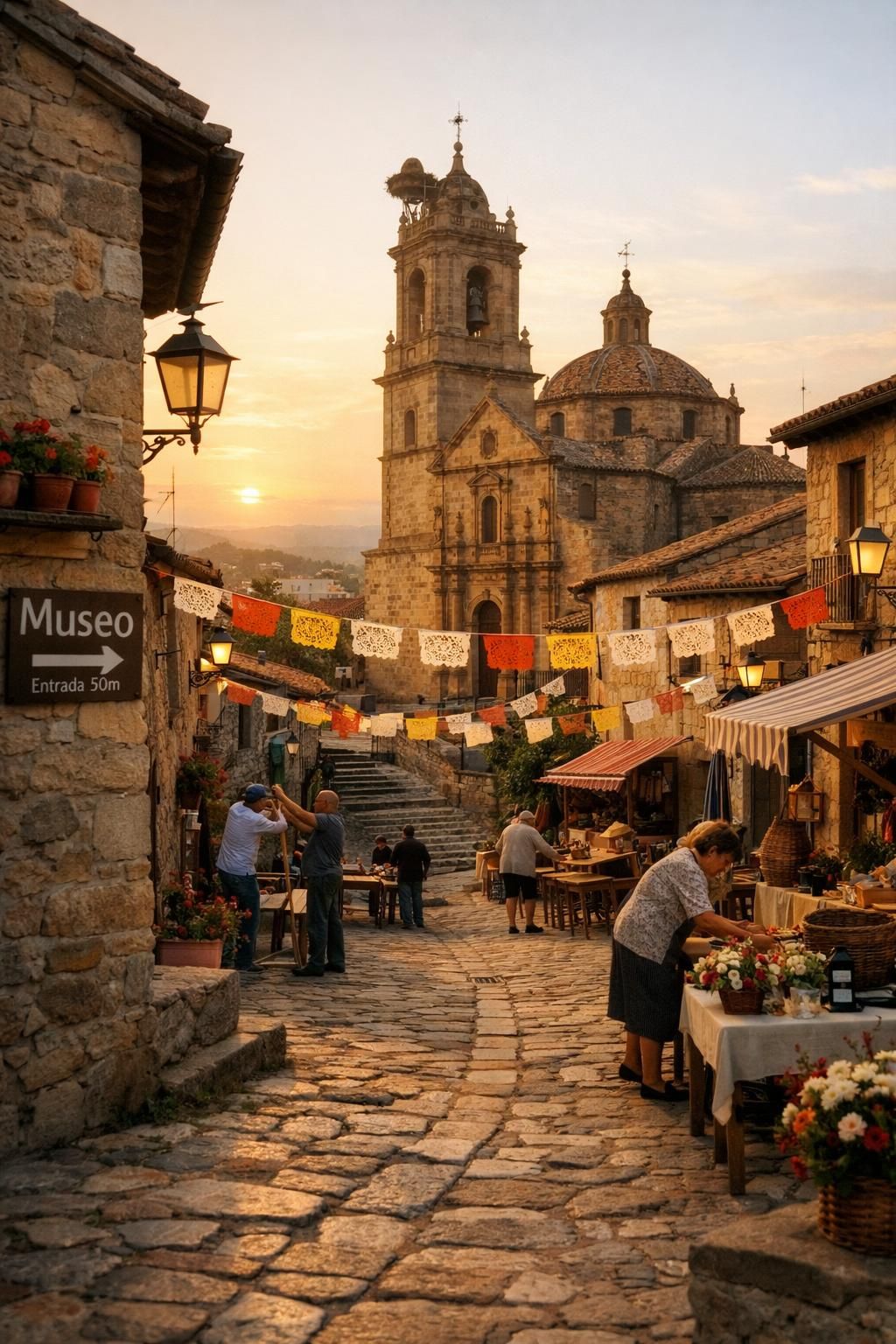
Spain’s pivot toward dispersed travel would be far less convincing without concrete measures addressing overtourism where it is most intense. In recent seasons, the country has introduced or expanded a toolkit that includes tourist taxes, restrictions on short-term rentals, caps and timed entries at sensitive locations, and targeted mobility controls in high-pressure places. These steps are often framed as “anti-tourist,” but their operational intent is more precise: protect daily life, fund infrastructure, and preserve the very heritage sites that travelers come to see.
Ibiza provides a clear illustration of mobility controls. During the peak summer window, a cap was set on non-resident vehicles allowed on the island, paired with improved public transport options such as buses and ferries. The message to visitors is practical: arrive, yes, but move in ways that reduce congestion and environmental stress. For many travelers, that nudge changes the type of holiday they take. Instead of renting a car and chasing beaches at all hours, they may stay longer in one area, visit local markets, and join community events—behavior that aligns closely with authentic experiences.
Housing policy is even more consequential. Barcelona’s plan to significantly reduce short-term rental licenses by 2028 reflects a broader Spanish trend: cities want to keep residential neighborhoods residential. When holiday lets dominate, local workers—teachers, nurses, hospitality staff—get priced out, and the “local” in local culture starts to vanish. For travelers, this means the accommodation landscape is shifting toward regulated apartments, hotels, and rural guesthouses that are more tightly integrated into the tax base and community planning. As a traveler, choosing licensed lodging becomes a form of participation in sustainability rather than a mere booking decision.
Tourist taxes are another lever, and they also change behavior. Barcelona’s per-night charge, varying by accommodation type, creates a modest but noticeable cost signal. The policy logic is straightforward: visitors use public space and services; their contribution helps pay for maintenance, sanitation, transit reinforcement, and crowd management. Cities across Europe are doing similar things, and comparisons can help clarify the rationale—see, for instance, how public budgets shape local services in UK debates on public spending, which echo the same “who pays for shared infrastructure?” question in a different context.
Visitor caps and pre-booking at popular sites—especially in fragile natural-cultural environments such as parts of the Canary Islands—also have a powerful side effect: they push people to look nearby. When tickets are timed or sold out, travelers begin asking different questions. What else is in this region? Which small museum is overlooked? Is there a heritage trail in the next valley? This is how regulation can quietly stimulate rural tourism without a single billboard. It also improves the experience at the sites themselves: less crowding means better interpretation, safer circulation, and reduced wear on centuries-old stone.
Spain is not alone in connecting tourism management to heritage protection. Climate stress and crowding are forcing many countries to rethink conservation, as discussed in Germany’s cultural heritage and climate challenge and approaches to safeguarding landmarks in France’s landmark preservation efforts. These parallels matter because they show Spain’s measures are not improvisation; they are part of a European rebalancing between access and protection.
The ripple effect is now visible: as famous hotspots regulate volume, the next layer of destinations—mid-size cities and rural provinces—must be ready to host well. That readiness depends on infrastructure, training, and community consent, which is where rural support programs become central.
Rural Tourism in Spain: Building Year-Round Economies Through Heritage, Nature, and Community
The strongest argument for rural tourism is not romantic; it is economic resilience. Seasonal peaks can distort local labor markets, overwhelm services for short periods, and then vanish—leaving businesses struggling during the rest of the year. Inland regions such as Castilla-La Mancha, Extremadura, and La Rioja are increasingly positioning themselves as year-round destinations, built on slower travel: walking routes, birdwatching, artisan workshops, thermal spas, historical trails, and harvest-linked food experiences. For visitors, the reward is space and intimacy; for residents, it can mean stable employment and renewed investment in small-scale enterprise.
Imagine a small Extremaduran town with a Roman bridge, a weekly market, and a family-run hotel. Ten years ago, it might have been a stopover. Today, with better digital tools, curated heritage walks, and partnerships with regional guides, it can become a three-night base. A traveler spends mornings exploring a nearby archaeological site, afternoons learning local ceramics, and evenings tasting seasonal stews. This is not “less” Spain—it is Spain at human scale. The strategy works because it packages what already exists: local culture, landscape, and memory.
Public policy increasingly supports this shift, especially when it aligns with rural development goals. Programs that improve signage, restore chapels or mills, fund interpretation centers, or support local entrepreneurs help transform scattered assets into a coherent visitor experience. A useful reference point is Spain’s rural support policies, which underline how tourism can complement broader efforts such as demographic stabilization and services modernization. When a village gains a small museum, a reliable bus link, and a few trained guides, tourism becomes additive rather than extractive.
Language and identity also become advantages outside the big capitals. Spain’s regional languages are not just cultural curiosities; they are living systems tied to literature, music, and social life. A traveler attending a storytelling night in Galician or a Catalan folk singing workshop can experience cultural depth that a panoramic bus tour cannot provide. For those curious about how linguistic diversity shapes travel narratives, Spain’s regional languages offers helpful context for understanding why “Spain” is better understood as plural.
Rural hosting does require careful design. When a destination suddenly becomes fashionable, it can reproduce the same problems as big cities: parking chaos, housing pressure, and cultural commodification. Successful towns often do three things early: limit visitor numbers for fragile sites, channel tourists toward local businesses rather than external operators, and set clear rules for respectful behavior during sacred or community-specific events. The aim is to keep cultural expression sincere. When a festival becomes only a performance for outsiders, residents disengage—and the festival loses the very energy visitors came to witness.
To make rural travel concrete, here are experience formats that tend to work well in Spain’s smaller places:
- Heritage micro-routes linking 3–5 nearby sites (a chapel, a bridge, a workshop, a viewpoint) with a single narrative theme.
- Hands-on crafts (weaving, ceramics, leatherwork) where visitors pay for a class and leave with an object and a story.
- Farm-to-table tastings hosted by cooperatives, connecting landscape, production methods, and community economics.
- Festival-week stays that include etiquette guidance, volunteering options, and meetings with local associations.
- Nature-plus-culture days pairing hikes with interpretation of ancient terraces, irrigation systems, or pilgrimage paths.
Rural Spain’s promise is not novelty for novelty’s sake; it is continuity—helping places remain themselves while benefiting from well-managed attention. That naturally leads to the next driver of dispersion: food, which can pull visitors into areas they might never otherwise consider.
Regional Cuisine as a Cultural Tourism Engine: From Tapas Trails to Inland Markets
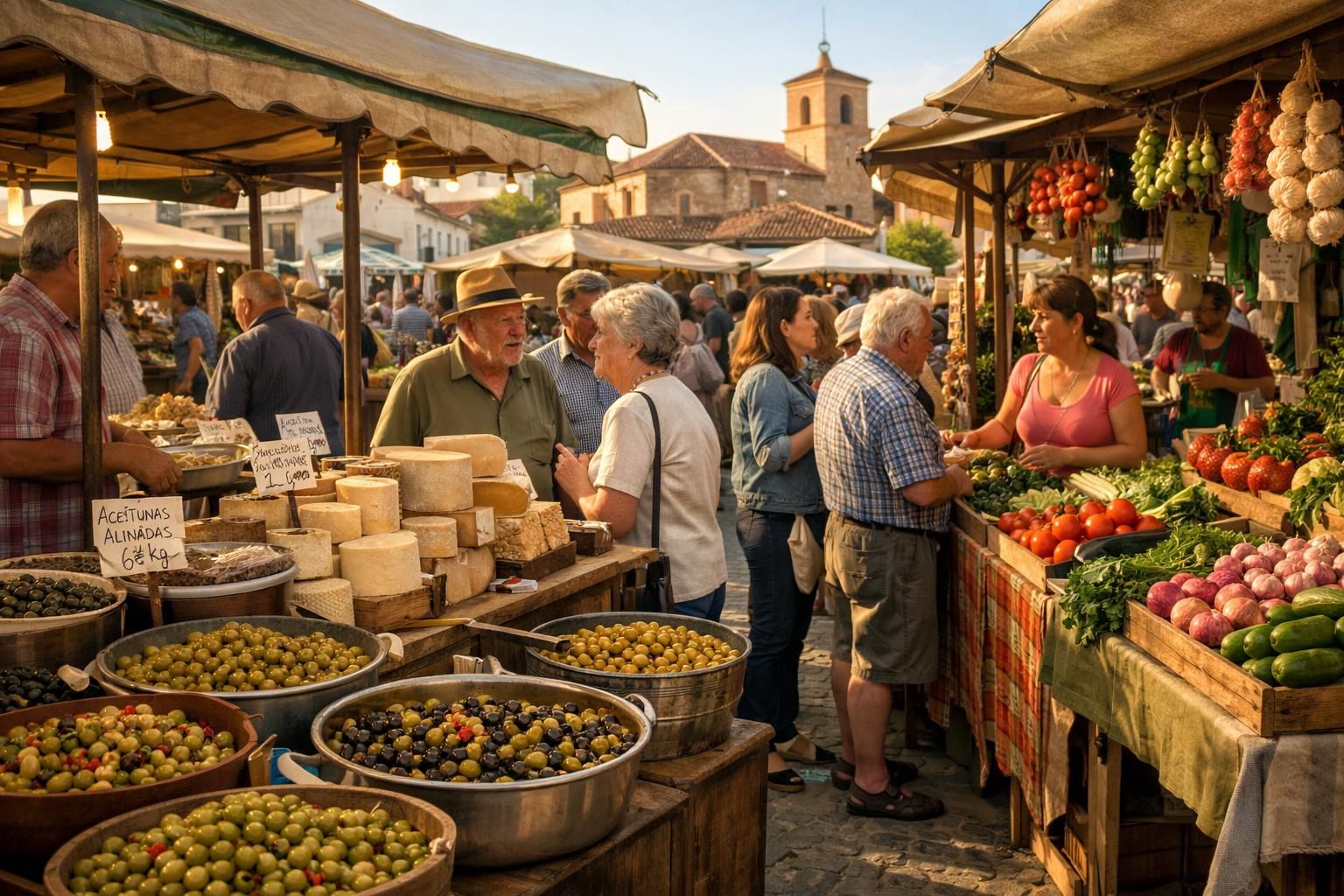
Regional cuisine is one of Spain’s most effective tools for encouraging travel outside major cities because it is inherently place-based. A dish is not just a dish; it is an archive of climate, trade routes, agriculture, and family habits. Travelers who plan around food inevitably end up in smaller municipalities: olive-oil mills, cheese producers, inland fish salting traditions, wineries, and seasonal markets. This is cultural heritage you can taste, and it tends to spread visitors geographically because ingredients and techniques are regional by nature.
A practical example: a couple lands in Valencia for paella but then hears that the rice varieties, cooking methods, and even the serving rituals differ in villages around the Albufera. They book a cooking workshop in a rural setting, visit a rice field, and learn why the pan matters as much as the broth. Another traveler goes to La Rioja not just for wine, but to understand the cooperative model and how it anchors local employment. In both cases, the cultural element is inseparable from the meal—turning consumption into learning.
Food-led travel also helps address a key sustainability challenge: day-tripping. When visitors arrive on a quick excursion, they often spend little and add pressure. Culinary experiences, by contrast, encourage longer stays because meals take time, workshops take half a day, and harvest-linked events require planning. That shift toward “fewer places, deeper engagement” is exactly what Spain’s tourism managers want. It is also why many destinations are integrating gastronomy into museum programming and heritage interpretation, making the kitchen part of the story rather than a separate attraction.
For global context, it can be helpful to see how other countries frame their culinary diversity as cultural identity. An interesting comparison is Italy’s regional cuisines, which highlights a similar logic: food is a map, and the map pulls you beyond the capital cities. Spain’s advantage is that its gastronomic landscape is equally varied, from Atlantic seafood traditions in the north to Moorish-influenced sweets in the south.
Regional cuisine is also a bridge into sensitive questions about authenticity. When tourists ask for “the most authentic tapas,” what do they mean—old recipes, local ingredients, or the social practice of sharing small plates at the bar? Many Spanish hosts now treat this as an educational moment. They explain that tapas are not just products; they are a rhythm of conversation. Visitors who accept that framing behave differently: they linger, order thoughtfully, ask questions, and tip fairly. That changes the local experience from transactional to relational.
To show how culinary tourism can be structured without overwhelming small communities, the following table outlines formats and safeguards that destinations commonly use.
Format
What visitors do
Best fit outside big cities
Safeguard for local culture
Market morning + cooking class
Shop with a local, then cook a regional dish
Mid-size towns with weekly markets
Cap group sizes; source ingredients from local stalls
Winery or olive mill visit
Tour production, taste, learn labeling and terroir
La Rioja, Castilla-La Mancha, Andalucía countryside
Use appointment slots; avoid peak harvest congestion
Festival food route
Eat signature dishes linked to a local celebration
Small towns with strong associations
Coordinate with community groups; publish etiquette tips
Chef residency in a rural inn
Multi-course tasting with storytelling and sourcing notes
Rural guesthouses seeking year-round demand
Prioritize local hiring and seasonal menus
Food is also a gateway into cultural comparison—travelers increasingly connect what they experience in Spain with trends elsewhere, from heritage preservation to digital culture. For a contrast in how modern audiences engage with culture, South Korea’s pop culture influence shows a very different pathway to tourism appeal. Spain’s culinary strength, by contrast, is rooted in locality and continuity, which naturally nudges travelers outward to regions where traditions remain daily practice.
Once cuisine draws visitors beyond the capitals, many of them begin to plan around the calendar—because Spain’s festival culture is a powerful reason to return, and it is most vibrant outside the main tourist corridors.
Heritage Sites and Traditional Festivals Off the Beaten Path: How to Visit Respectfully
Spain’s heritage sites are not limited to globally famous monuments. They include Roman ruins in provincial settings, medieval bridges in quiet valleys, industrial heritage like mills and mines, and religious architecture still used for worship. As visitor caps and timed ticketing become more common at marquee landmarks, many travelers are discovering that the emotional impact of heritage can be even stronger in lesser-known places—where silence, context, and community memory are intact. The promise of going off the beaten path is not just fewer crowds; it is a different relationship to time.
That relationship becomes most vivid during traditional festivals. While globally known events get the headlines, many of the most meaningful celebrations happen in smaller municipalities: saint days, harvest rituals, maritime processions, seasonal dances, and historical reenactments. These are not staged for tourism; visitors are guests at something locals would do anyway. The difference matters because it shapes etiquette. A respectful traveler asks before photographing, follows dress norms in sacred contexts, and understands that some moments are for the community first.
Return to Maya, our traveler: she hears about a spring festival in a Castilian town where residents decorate streets with flowers and host communal meals. She arrives expecting a spectacle, but finds herself invited to help set up chairs and learn the song lyrics for the evening procession. That invitation comes because she stays several nights, visits local shops, and shows curiosity rather than entitlement. Her spending supports the town, but her behavior protects its dignity. This is the ideal model of cultural exchange: reciprocal, not extractive.
Spain’s current tourism governance supports this respectful model through practical constraints. When visitors must pre-book for sensitive places, they arrive prepared. When taxes fund maintenance, the benefits become visible in cleaner streets and better interpretation. When short-term rentals are regulated, neighborhoods remain lived-in, which keeps festivals from turning into empty-pageant events. In other words, regulation and authenticity are linked: policy can protect the social ecosystems that keep culture alive.
There is also a modern layer: museums and interpretation centers are changing, using interactive tools to explain complex histories without overwhelming sites physically. Countries worldwide are experimenting with this blend of access and protection—see how institutions adapt via interactive museum technology in Japan, and how cultural institutions coordinate collections in France’s museums and libraries. Spain’s smaller heritage centers are increasingly adopting similar techniques—audio walks, limited-capacity exhibits, and local guide training—to keep experiences high-quality with manageable footprint.
For travelers who want practical guidance, respectful visiting is less about perfection and more about intention. A few habits make an outsized difference:
- Book ahead for popular sites and arrive on time to reduce pressure on staff and entrances.
- Choose locally owned services—guides, inns, shops—so spending strengthens the community.
- Learn the context of festivals before attending; ask your host what is appropriate.
- Keep mobility light in fragile areas: use buses, trains, and walking routes when possible.
- Respect residential life—quiet hours, waste rules, and sacred spaces are not “optional.”
These behaviors do more than reduce harm; they improve the trip. When you travel as a guest rather than a consumer, you gain access to stories, kitchens, and side streets that guidebooks miss. That is the essence of Spain’s new direction: not fewer visitors, but better visits—especially in the places that have been overlooked for too long.
What does ‘cultural tourism’ mean in Spain beyond visiting famous museums?
In Spain, cultural tourism increasingly includes community-led experiences: artisan workshops, local music and dance events, language-rich traditions, food markets, and small interpretation centers connected to heritage sites. It’s less about collecting landmarks and more about understanding how culture is lived in each region.
How can travelers find authentic experiences in small towns without being intrusive?
Stay at licensed local accommodation, book small-group activities with residents, and ask about etiquette—especially during traditional festivals. Simple choices like eating at locally run restaurants and using local guides help ensure your presence supports, rather than distorts, local culture.
Are tourist taxes and visitor caps likely to affect trip planning?
Yes. In places such as Barcelona, per-night taxes can add a modest cost, while certain heritage sites may require advance booking or timed entry. Planning ahead reduces stress and often encourages exploring nearby off the beaten path alternatives.
Which regions are emerging for rural tourism in Spain?
Inland and less-saturated regions like Castilla-La Mancha, Extremadura, and La Rioja are attracting travelers seeking quieter settings, heritage routes, and regional cuisine. These areas often promote longer stays and slower itineraries that fit sustainable travel goals.