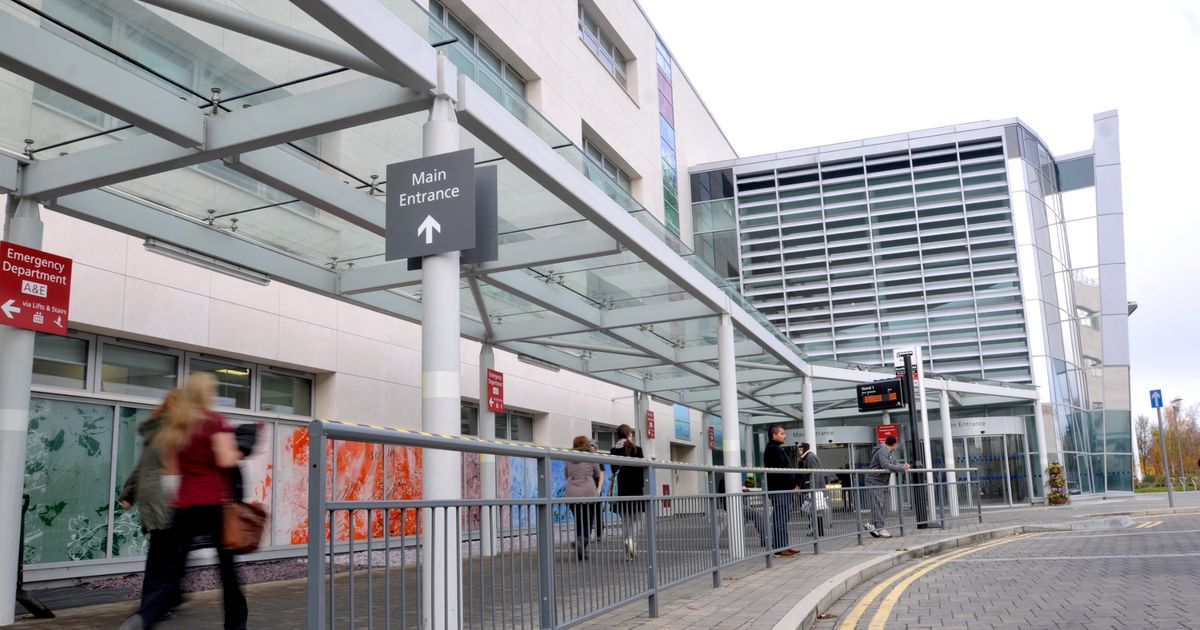
The hospital trust was ordered to apologise to the woman’s family for “delay after delay” in her treatment
Matt Lee Senior Multimedia Journalist
07:30, 14 Jan 2026
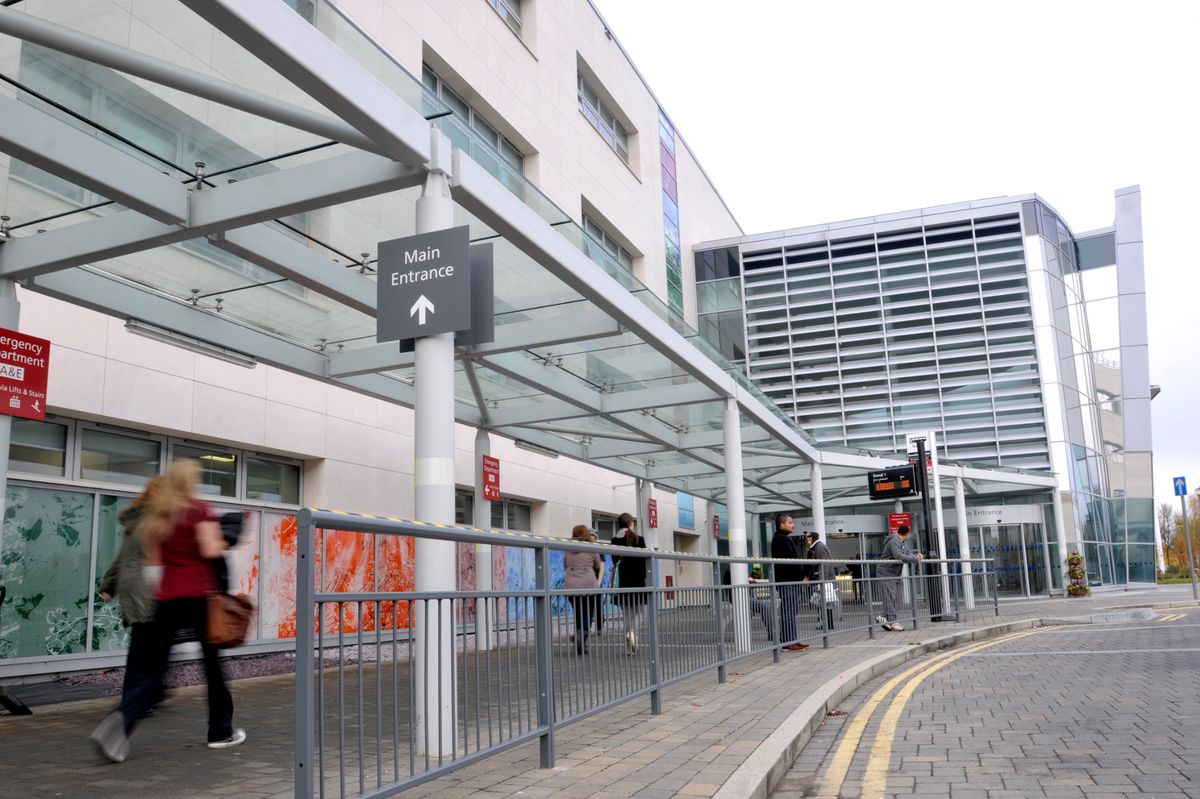
Health bosses at the NHS trust which runs Broomfield Hospital have been told to apologise(Image: photographic)
A woman’s death after delayed cancer diagnosis and treatment has prompted a major review of medical care at an Essex hospital. Mid and South Essex NHS Foundation Trust (MSE) were ordered to apologise to the woman’s family and will undergo a systemic review of cancer treatment and diagnosis wait times.
The review comes following the death of a retired history teacher and mother-of-two, from Chelmsford, who had terminal ovarian cancer and died in April 2023. An investigation by the Parliamentary and Health Service Ombudsman (PHSO) found that only half of cancer patients start treatment at the hospital within two months.
Dawn Scrafield, Chief Executive of MSE, said the trust had offered their “sincere apologies” for the delay in treating the woman. They added that cancer care is “one of our key priorities”, and the trust has invested in new technology to help treat cancer patients faster.
Mrs S, aged 67, was a key figure who was heavily involved in the local community, singing in two local choirs, playing tennis twice a week and volunteering to teach English to female refugees in Chelmsford. Her grieving son, now 31, believes he could have had more time with his mum had she received the care she should have had.
Addressing the “confusing and frustrating” situation, he said: “I had trust in the NHS, so whenever they told us things, like scans would happen, we believed them. But, it was just delay after delay. My mother and I kept asking questions and for updates but never got anywhere.”
He said there was “clearly something wrong” with his mum and they were “almost relieved” when they eventually received the diagnosis, expecting treatment to start straight away. But further issues occurred, including Mrs S’s son being “just handed a bag of medication with no instructions, advice or support” following her “unsafe” diagnosis from hospital.
“My mum was incredibly weak during that time and I feel like that week where she came home and I was trying to look after her with no support took 10 years off my life,” he added. “I still have nightmares about it.”
He continued: “There was nothing that could be done for my mum because her cancer was terminal. But if she had received the care she should have had, then her quality of life would have improved and we may have had more time together.”
Mrs S was referred to Mid and South Essex NHS Foundation Trust after a GP visit in January 2023 to report uncomfortable abdominal bloating. A CT scan on February 16 showed the presence of cancer, but clinicians were unable to identify the type of cancer until a biopsy on March 15.
Mrs S was diagnosed with ovarian cancer on March 21. She was told that while it was not survivable, chemotherapy may extend her life. Chemotherapy was scheduled for April 21, but due to delays in diagnosis and treatment, she was no longer fit for the specialist care.
This meant she lost the opportunity to engage in chemotherapy, and her family will never know whether or not this could have improved her quality of life or extended her life to give her more time with her family. The PHSO found that had the trust met the national cancer standard for treatment referral, Mrs S’s palliative care should have begun by April 3 – at which stage she would have been fit for treatment.
When the trust told her that her cancer was not survivable, it should have considered starting a palliative care pathway. The Ombudsman found no evidence that this happened, and there was no coordination of her palliative care between the hospital and the hospice, delaying her access to this care. The Ombudsman found further failings in care, including delays in draining hfluid build-up in her abdomen which caused avoidable distress.
The Trust also unsafely discharged Mrs S from hospital on April 18. She was readmitted three days later in a serious condition and died the next day. PHSO found the failings by the Trust caused distress to Mrs S and her family. The Trust had not acknowledged the extent of its failings or taken appropriate action to address them.
Along with the cancer wait times review, PHSO recommended the Trust create an action plan detailing how it will improve its discharge planning, palliative care planning, and communication between staff and patients approaching the end of their life. The Trust was also told to apologise to her family, which they have done.
Concerns raised over care by woman’s son
An initial review into the death of Mrs S, 67, was launched after concerns were raised by her son. It found that her diagnosis had taken 49 days, and her treatment did not start for 81 days after the referral. NHS England targets at the time were for cancer to be diagnosed within 28 days of referral and treatment to begin within 62 days.
In 2023, when Mrs S was being treated, the Trust failed to meet all of the NHS England cancer wait time targets. Fewer than half (47.6%) of patients were treated within 62 days compared to a national target of 85 per cent.
By July 2025, that had dropped to 46.1 per cent. Trust figures show that at the end of August, 664 patients were waiting longer than 62 days to confirm a cancer diagnosis, or rule it out, and begin treatment.
Following its investigation, the PHSO took the unusual step of asking the Trust to systemically review its performance against national cancer wait time targets and develop a robust plan to help it meet treatment targets. The action plan has been received, and the Trust has committed to looking at how it can better allocate resources and increase capacity to reduce wait times.
The Trust will use new technology to improve efficiency by standardising and digitising processes, and specialist software to analyse cancer pathways and identify delays. The Trust will also hold weekly meetings to track progress and ensure the longest waiting patients are prioritised, and implement a one-stop menopausal bleeding clinic, which will offer scans and a consultant review at the first appointment to help with timely diagnosis.
Mrs S’s son hopes the learnings identified from his family’s experience will prevent others from going through the same. He said: “I’m grateful the Ombudsman provided the answers I couldn’t get from the Trust, I just want the Trust to be held to account. I don’t want another family to go through something like this.
“The service failures the Ombudsman has identified should be another driver for the Government to address substantial reforms required in the NHS. Time and time again, we hear politicians go on about reducing wait times, but nothing seems to be improving on the ground. I cannot fault the frontline staff but there seems a general consensus around the country that without a substantial shake-up by policymakers, the quality of NHS care will continue to decline.”
Paula Sussex, Parliamentary and Health Service Ombudsman, said: “Every day, hundreds of people receive a diagnosis of cancer. It is vital that they can trust in the system to deliver the quality treatment they need for their survival, recovery, or, in terminal conditions, to allow them to spend precious time with loved ones.”
“While this will sadly not change what happened in this case, it highlights how one complaint can make a difference,” they added. “Because of this investigation, other patients and families should experience wait times that are in line with national guidance.”
Dawn Scrafield, Chief Executive of Mid and South Essex NHS Foundation Trust, added: “We know that waiting for cancer diagnosis and treatment is a worrying time and we offer sincere apologies to Mrs S’s family for the delay in her treatment. Demand has increased, and we are reviewing how we manage the need for more diagnostic services. We have begun an integrated improvement plan, working with our health and care system partners to speed up treatment times and get patients to the right place at the right time.
“We have invested in new technologies to help us treat cancer faster and have recently opened new a Community Diagnostic Centre in Thurrock, which is improving access to scans and diagnostic tests. Cancer care is one of our key priorities, and we can already see our wait times reducing in some cancers as we deliver extra clinics and theatre scheduling.”