It is among the rarest marine species in the world and is very rarely seen in UK waters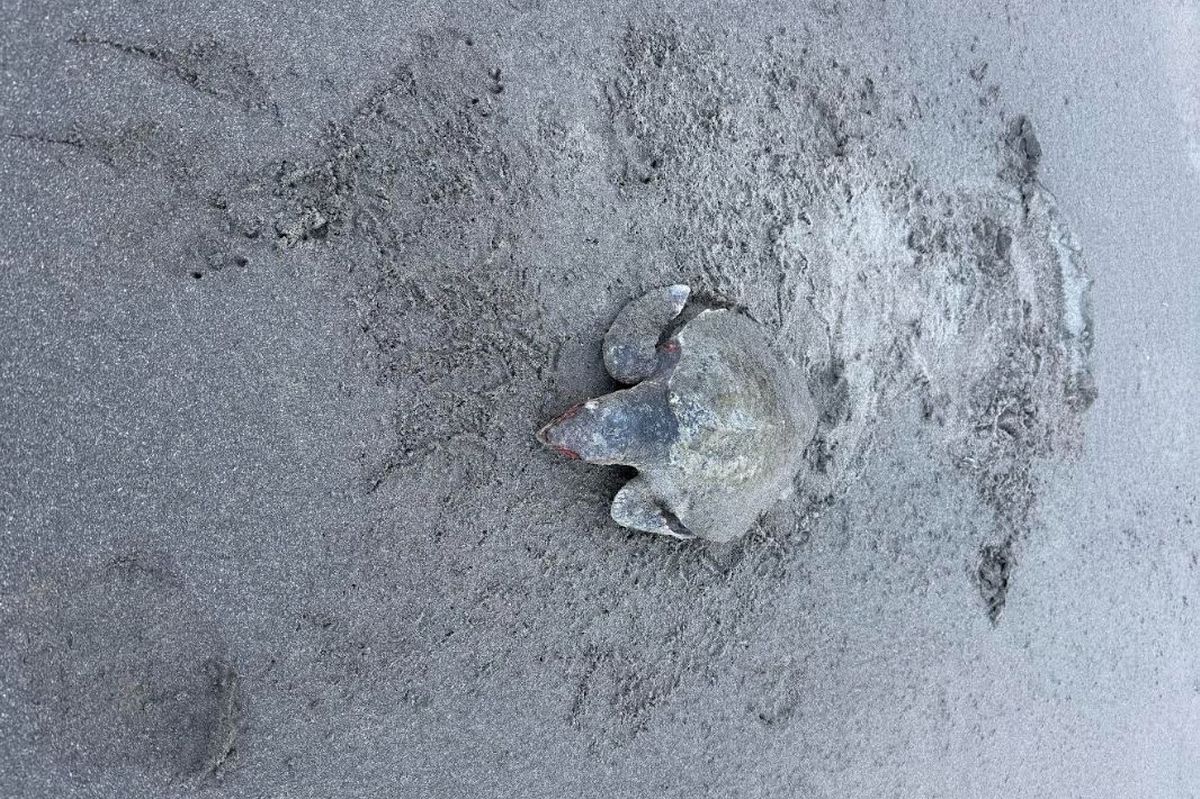
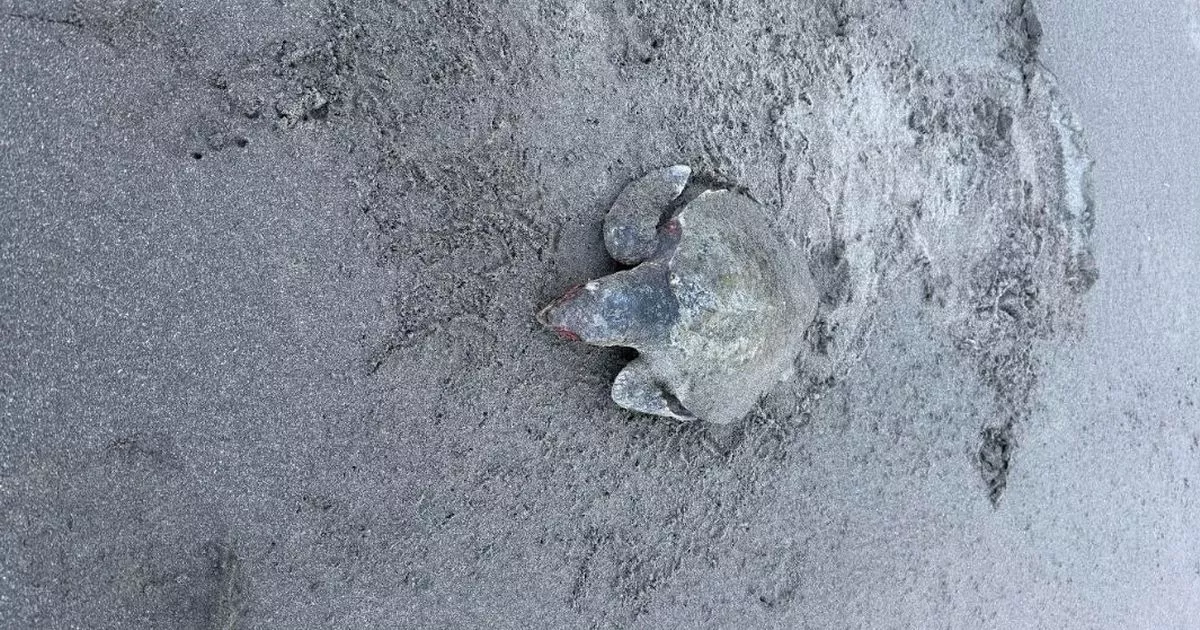
A Kemp’s ridley sea turtle was spotted on Newport Sands in Pembroke(Image: Marianne Goodson)
An extremely rare species has been discovered on a Welsh beach. A Kemp’s ridley sea turtle was spotted on Newport Sands in Pembrokeshire on Monday, January 12, a remarkable discovery according to local conservationists.
The Kemp’s ridley is the rarest marine turtle species in the world and is very rarely seen in UK waters. It is understood that the animal was reported by a member of the public, but the sighting was not passed on to Marine Environmental Monitoring and the Cetacean Strandings Investigation Programme (CSIP) until the following day.
A search of the area was carried out but the turtle was nowhere to be found. It is thought someone may have taken it or that the tide carried it further along the coast.
The incident has raised concern among experts as Kemp’s ridley turtles are classified as critically endangered by the International Union for Conservation of Nature (IUCN).
Their population collapsed dramatically in the mid-1980s when the species was known to nest on only a single beach in Mexico. At that time egg harvesting further hindered recovery efforts.
Since then conservation measures have helped prevent extinction. Nesting beaches are now protected and eggs are relocated to other beaches in Texas and across the Gulf of Mexico to reduce the risk of catastrophic loss.
Despite these efforts the species remains extremely vulnerable and sightings outside its normal range are exceptionally rare.
Like green, hawksbill, loggerhead and olive ridley turtles, the Kemp’s ridley is a “hard-shelled” turtle. These species cannot survive in the cold waters around the UK and Ireland.
When exposed to low temperatures they can become “cold-stunned”, a condition in which body functions slow dramatically and can ultimately prove fatal without intervention.
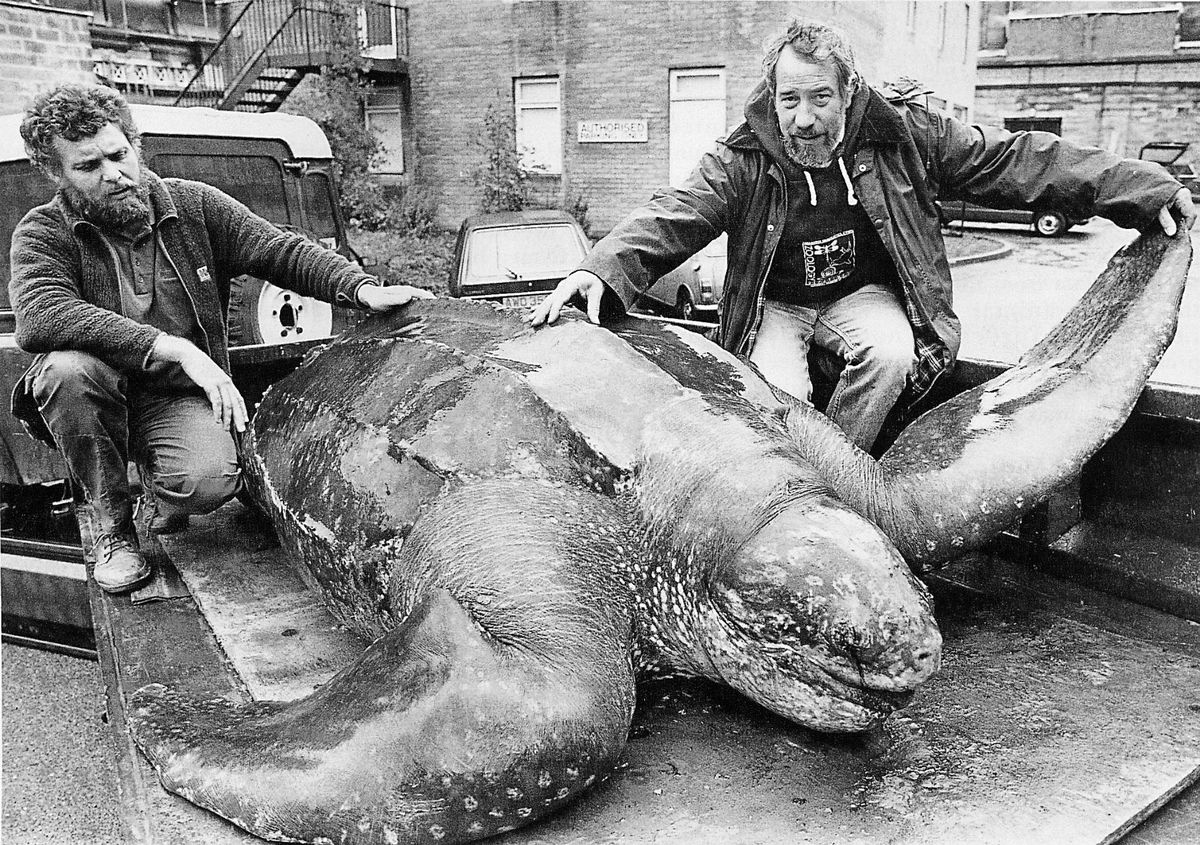
The largest leatherback turtle ever recorded was found at Harlech in 1988(Image: Marine Environmental Monitoring)
Marine experts say stranded turtles may still be alive when found and urge members of the public to report sightings immediately using the contact details provided in the UK & Irish Turtle Code. For our free daily briefing on the biggest issues facing the nation sign up to the Wales Matters newsletter here.
Since 2001 marine turtles have been included in the UK Government’s Cetacean Strandings Investigation Programme. Under the scheme all dead turtles found in the UK are recovered and examined to help monitor the health of marine species and the waters they inhabit.
All marine turtles, along with dolphins, whales and porpoises, are protected by law and it is illegal to handle or possess them without a licence.
While Kemp’s ridley turtles are rare visitors, the much larger leatherback turtle is regularly seen in UK waters, migrating north from South America to feed on jellyfish.
Wales holds a notable record: the largest leatherback turtle ever recorded was found at Harlech in 1988, measuring 2.91 metres and weighing 916 kilograms. Its remains are on display at the National Museum of Wales in Cardiff.
Further information is available here and through Strandings.com.