15
Jan 2026
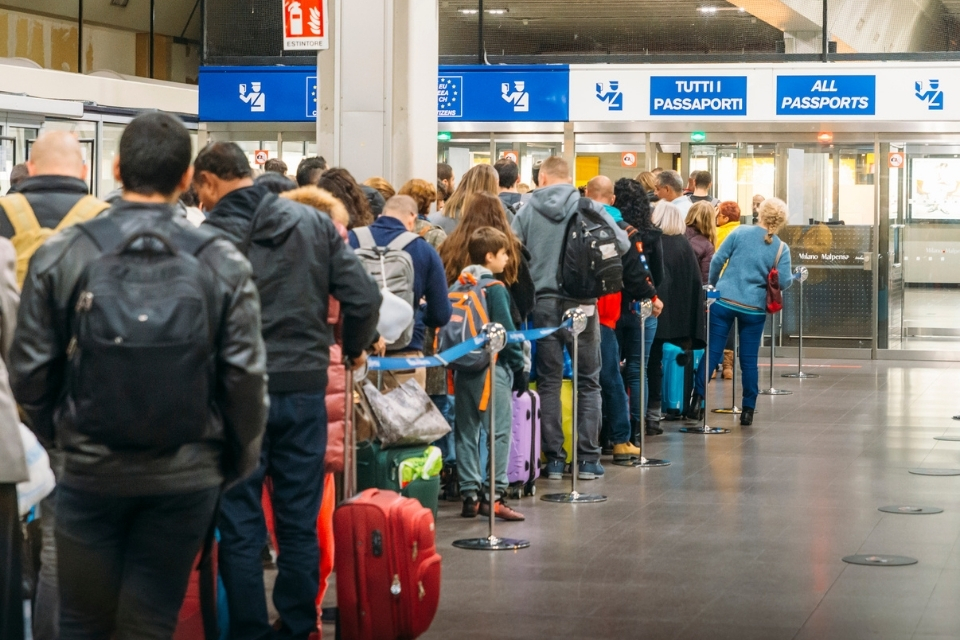
The UK’s Association of British Travel Agents (ABTA) is urging European Union (EU) authorities to use contingency measures as the EU Entry/Exit System expands to more airports and ports, following reports of long passport control queues.
The travel group warned that as more travelers are processed under the new system across Europe, delays could increase during the rollout period.
System expansion raises concerns
The EU Entry/Exit System (EES) began operating at additional airports and ports on January 9, increasing the number of passengers processed under the biometric border system.
The system, which launched in October 2025, replaces manual passport stamping with digital registration for non-EU nationals entering the Schengen Area for short stays.
ABTA said that passenger experiences during the rollout have varied, with some travelers moving through passport control smoothly and others facing long queues.
The travel association said that these issues have appeared as more locations bring the system into operation.
Queues at border control
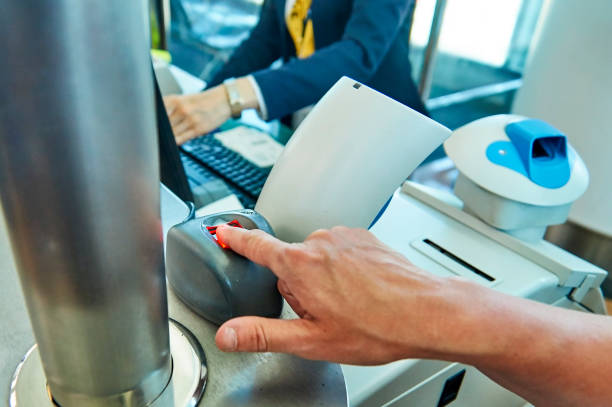
At airports where the EES is active, visa-free travelers from countries including the UK and the United States are required to register biometric data at dedicated kiosks. This includes fingerprints and facial images collected during their first entry under the system.
According to Euronews, passengers have reported long waiting times at some airports as travelers navigate the process for the first time. In some cases, delays have led to missed flights.
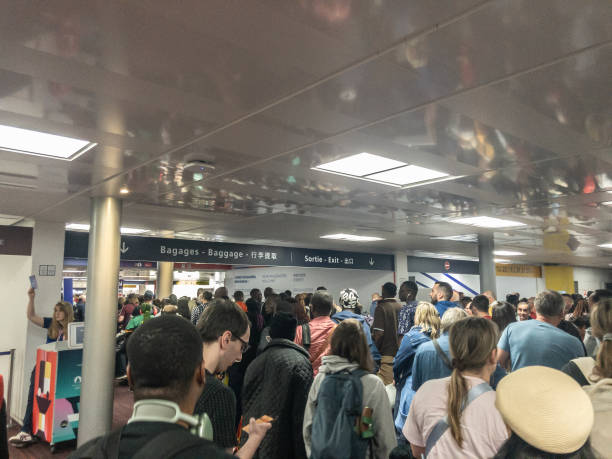
A report from Airports Council International Europe said that border processing times at airports increased by up to 70% during peak periods where biometric registration was in place. Waiting times of up to three hours were recorded at certain locations.
(Image courtesy of Didi_Lavchieva via iStock)
Calls for flexibility
ABTA urged EU border authorities to make greater use of contingency measures already available to them to manage passenger flow. These measures include standing down the system or limiting checks when congestion occurs.
“The EES is a change to how we travel to and from Europe, and while eventually it will make passport checks quicker, initially it may take longer,” said Mark Tanzer, chief executive of ABTA.
“As more places introduce the system, and more passengers are processed through it, there is a greater risk that people will face queues and delays,” he added.
Tanzer said that border authorities should apply contingency measures to reduce disruption.
“They have contingency measures at their disposal – such as standing down the system or limiting checks – and we want them to be utilized to help manage the flow of people.”
“Where problems have been experienced so far, some of these could have been avoided if the contingency measures were applied,” Tanzer added.
Guidance for travelers
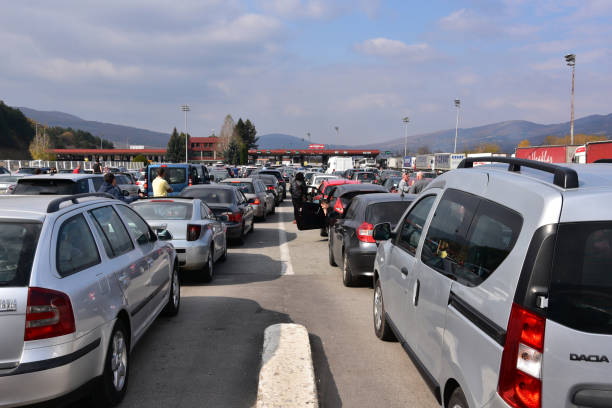
ABTA has issued advice for travelers entering or leaving the EU through airports, ports, and juxtaposed border controls such as Dover, Folkestone, and St Pancras.
At juxtaposed borders, EES checks are carried out before departure rather than on arrival.
For travelers departing the EU, ABTA advised passengers to go directly to passport control after completing check-in and security. The association said that this allows EES checks to be completed earlier in the departure process.
ABTA also advised travelers to follow guidance from airlines and transport providers on arrival times. It said that the usual recommendation to arrive at least two hours before departure should be treated as a minimum.
(Image courtesy of Dzurag via iStock)
Increased processing requirements
The expansion of the EES means a higher share of eligible travelers must now be processed under the system. According to Euronews, the threshold for registering third-country nationals has increased as part of the phased rollout.
As more passengers are registered, border officials must collect and verify biometric data before allowing entry. This applies at locations where the system is operational, while other borders continue using passport stamping during the transition period.
The rollout will continue in phases through early April, with some borders operating fully under the system and others still transitioning.
Passengers are expected to further adjust once the European Travel Information and Authorization System (ETIAS) launches in the last quarter of 2026.
Pre-screening for travelers
The EES records personal data from travel documents, fingerprints, facial images, and dates of entry and exit. It also stores records of refused entries. This data is stored for up to three years.
The system applies to non-EU nationals entering the Schengen Area for short stays of up to 90 days within a 180-day period. EU officials have said the system is intended to modernize border management by replacing manual checks with electronic registration.
(Image courtesy of BalkansCat via iStock)
Next phase of rollout
The rollout of the EES is scheduled to continue over the coming months as more airports and ports bring the system online. During this period, ABTA said that it will continue to engage with authorities and provide guidance to travelers.
For now, ABTA is advising passengers to prepare for possible delays at passport control and follow official instructions at airports and ports while the rollout continues across Europe.